Where to surf in Portugal
Portugal faces the open Atlantic, so there is surf somewhere almost every day of the year. These guides cover the spots our community surfs and shoots, from Porto to Sagres: what each wave needs, who it suits and where to stand with a camera.
Surf spots by region
Porto and the north
City beaches with surf schools and the jetty-sheltered waves around Porto. Colder water, fewer visitors.
Centro and Nazaré
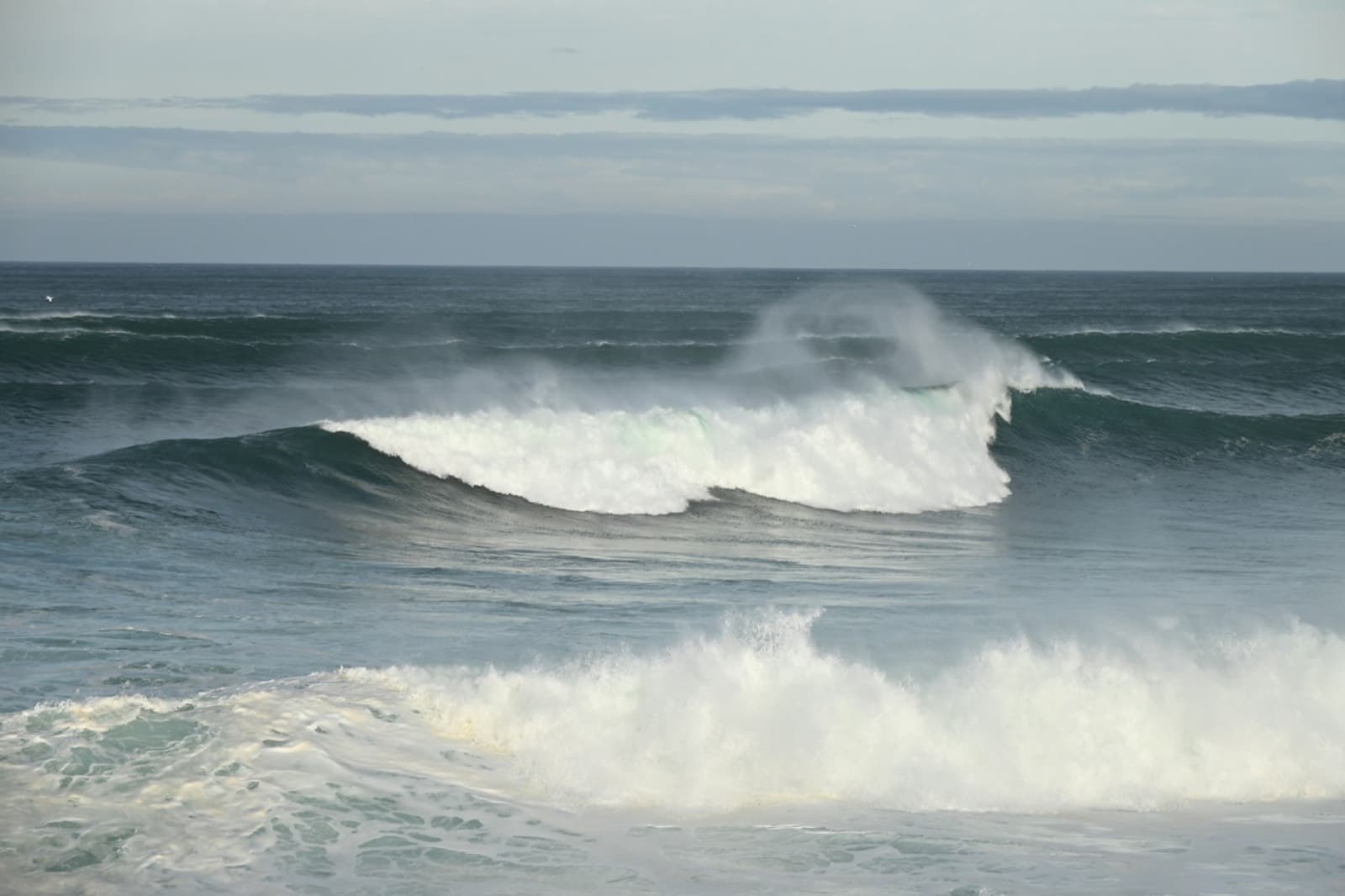
From the long rights of Figueira da Foz to the giant waves of Nazaré's Praia do Norte.
Peniche and Baleal
A peninsula with beaches facing almost every direction, so there is usually a sheltered option.
Ericeira
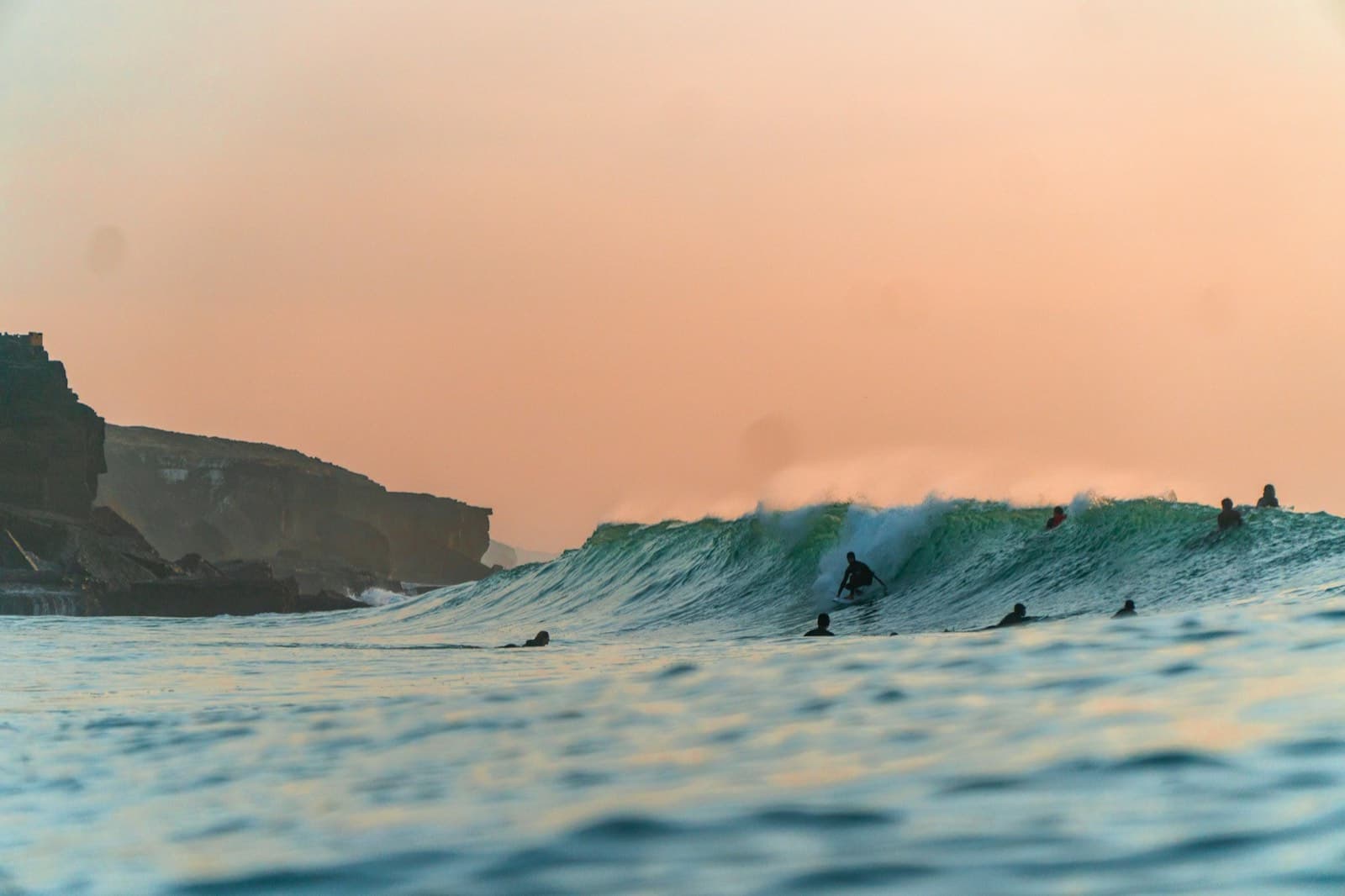
Europe's first World Surfing Reserve: rocky points and reefs for experienced surfers, beach breaks for everyone else.
- EriceiraEriceira, Mafra · PortugalBeginner, Intermediate, Advanced, Expert · Point break, Reef break, Beach break, River mouth
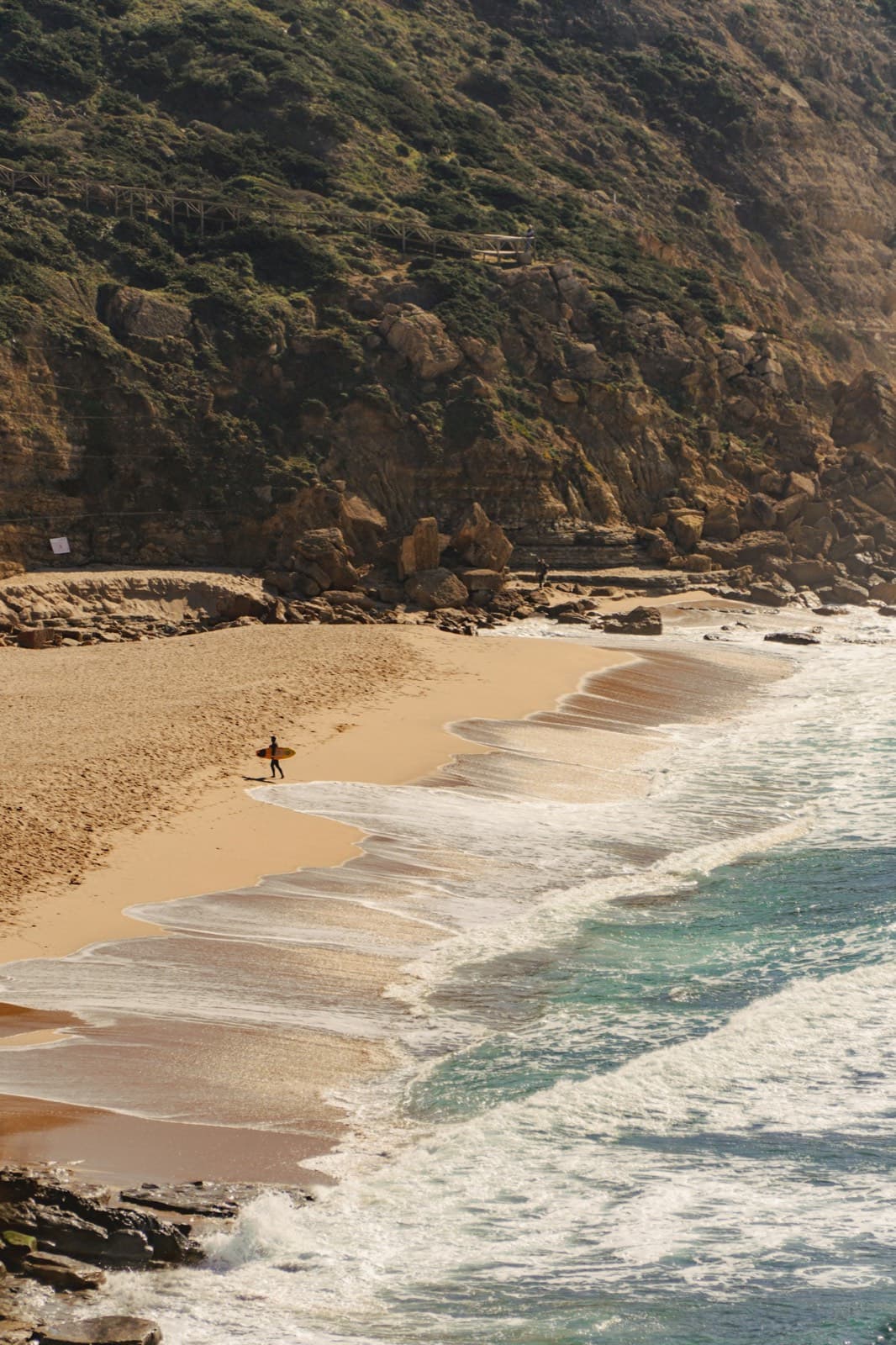 Ribeira d'IlhasEriceira, Mafra · PortugalIntermediate, Advanced · Point break, Reef break
- CoxosEriceira, Mafra · PortugalAdvanced, Expert · Point break, Reef break
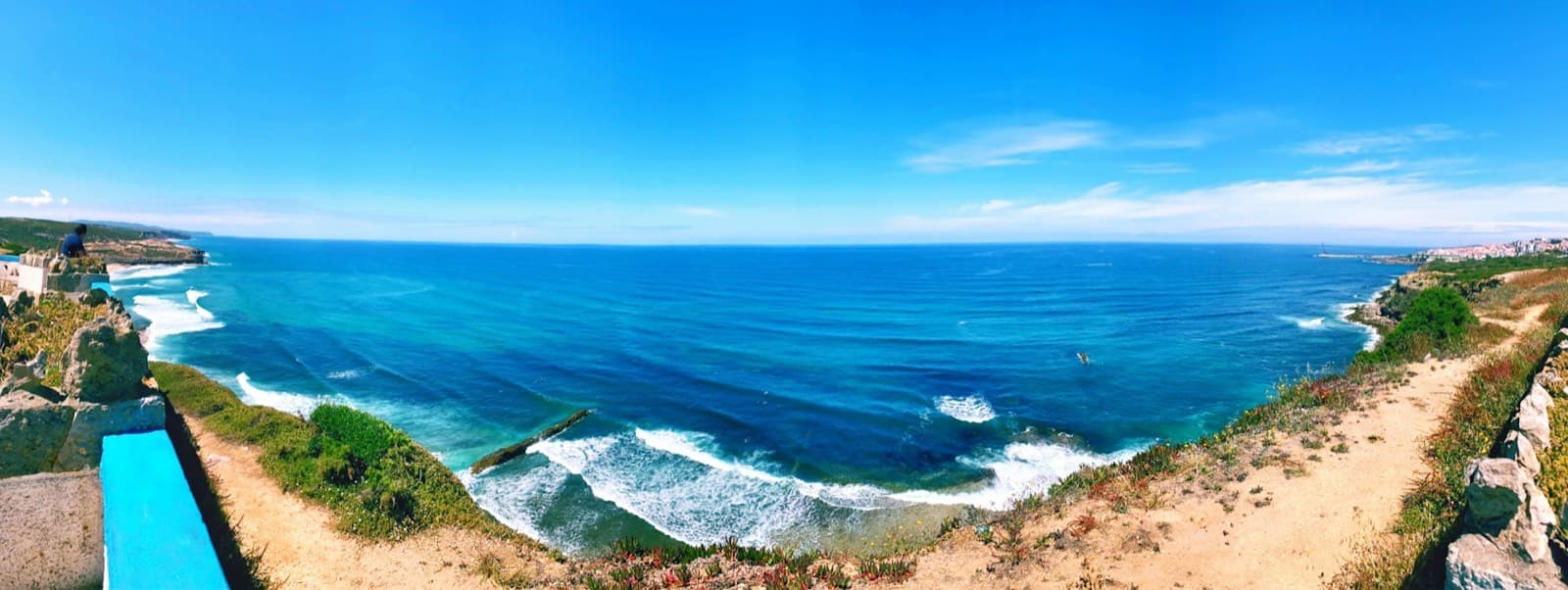 Foz do LizandroEriceira, Mafra · PortugalBeginner, Intermediate · Beach break, River mouth
Lisbon, Cascais and Caparica
Surf within reach of the city: the Cascais line, wild Guincho and the long sandy strip of Costa da Caparica.
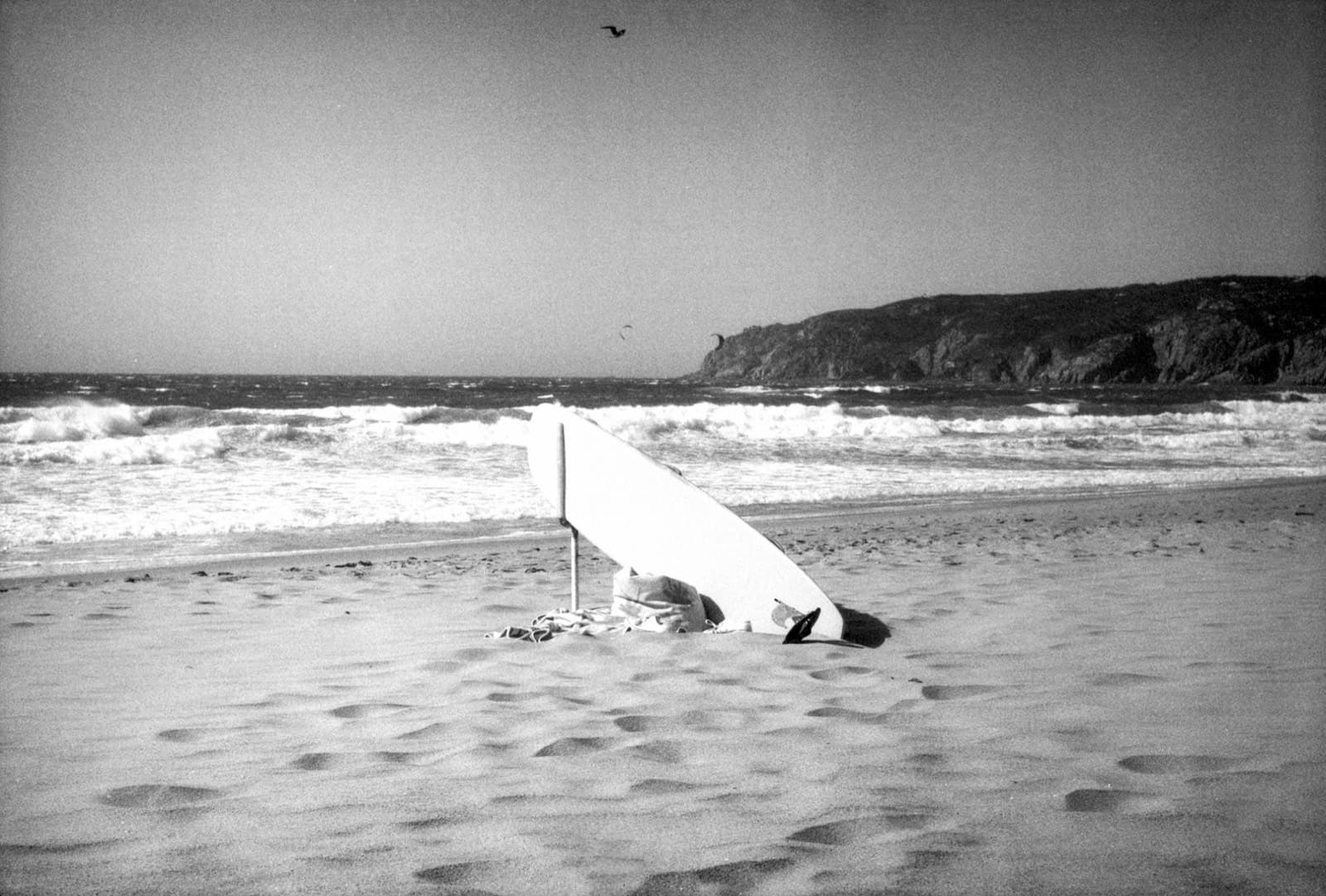 Praia do GuinchoCascais, Sintra-Cascais Natural Park · PortugalIntermediate, Advanced · Beach break
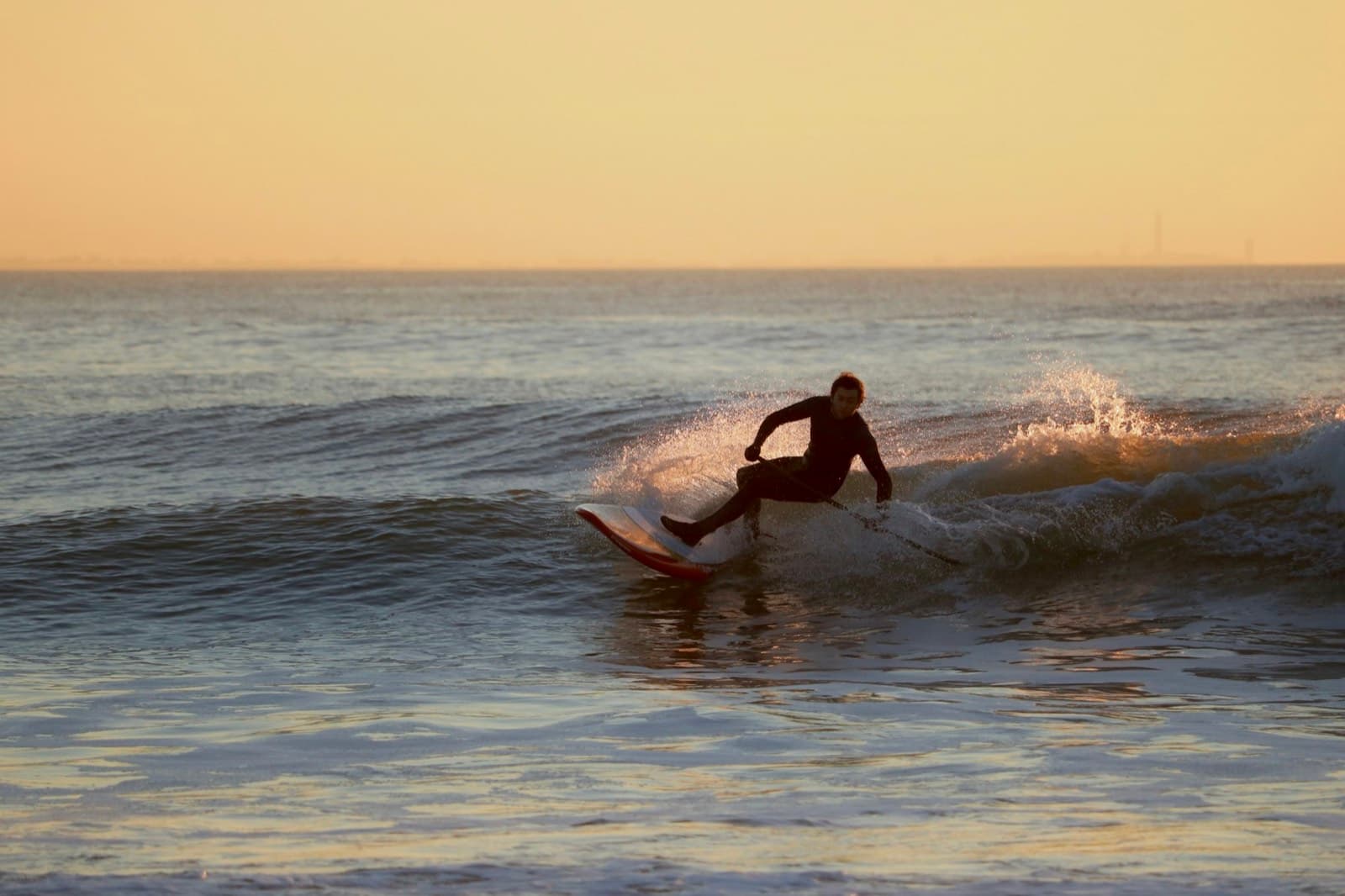 CarcavelosCascais line, Lisbon · PortugalBeginner, Intermediate, Advanced · Beach break
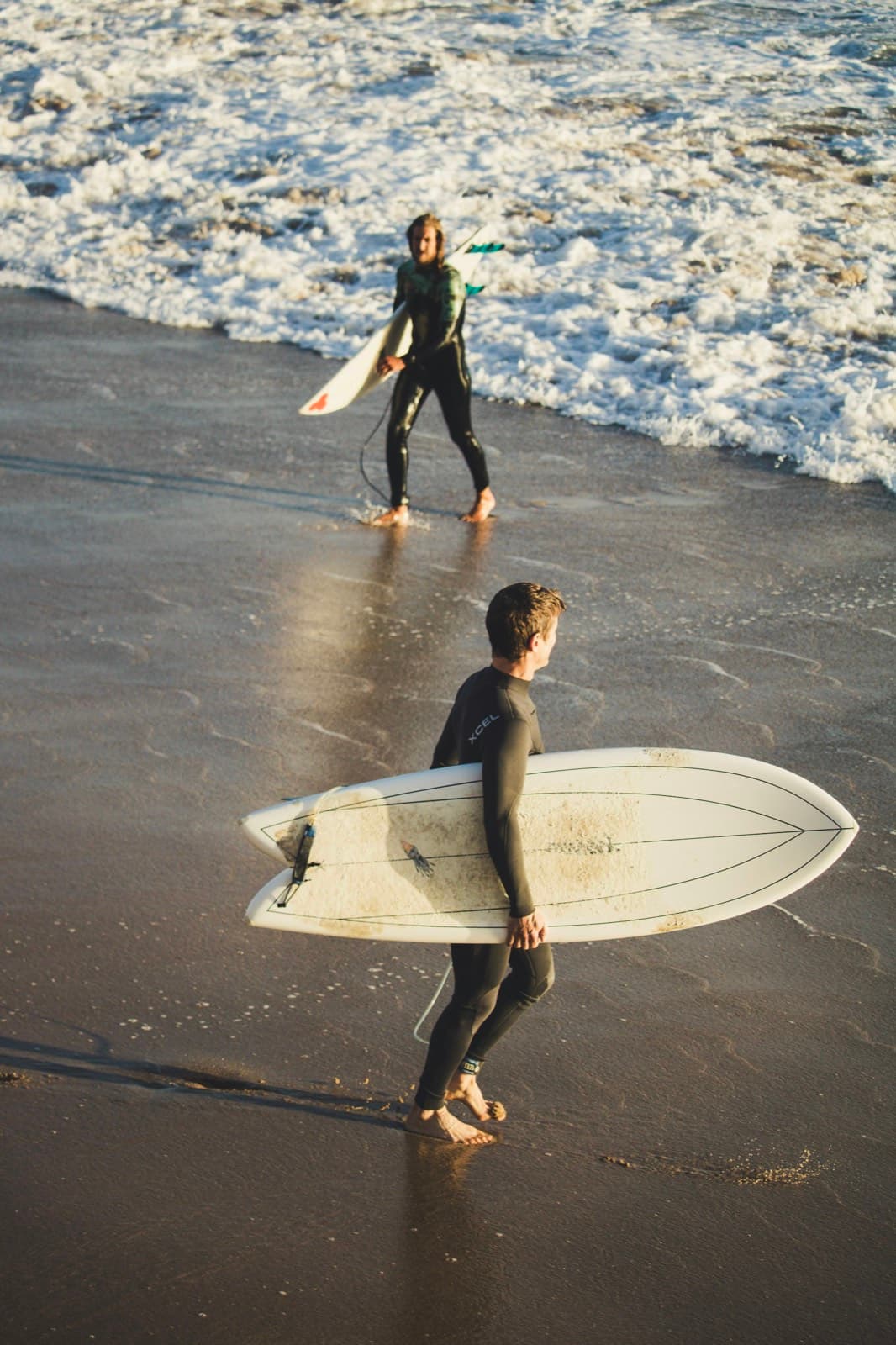 São Pedro do EstorilCascais line, Cascais · PortugalIntermediate · Point break, Reef break
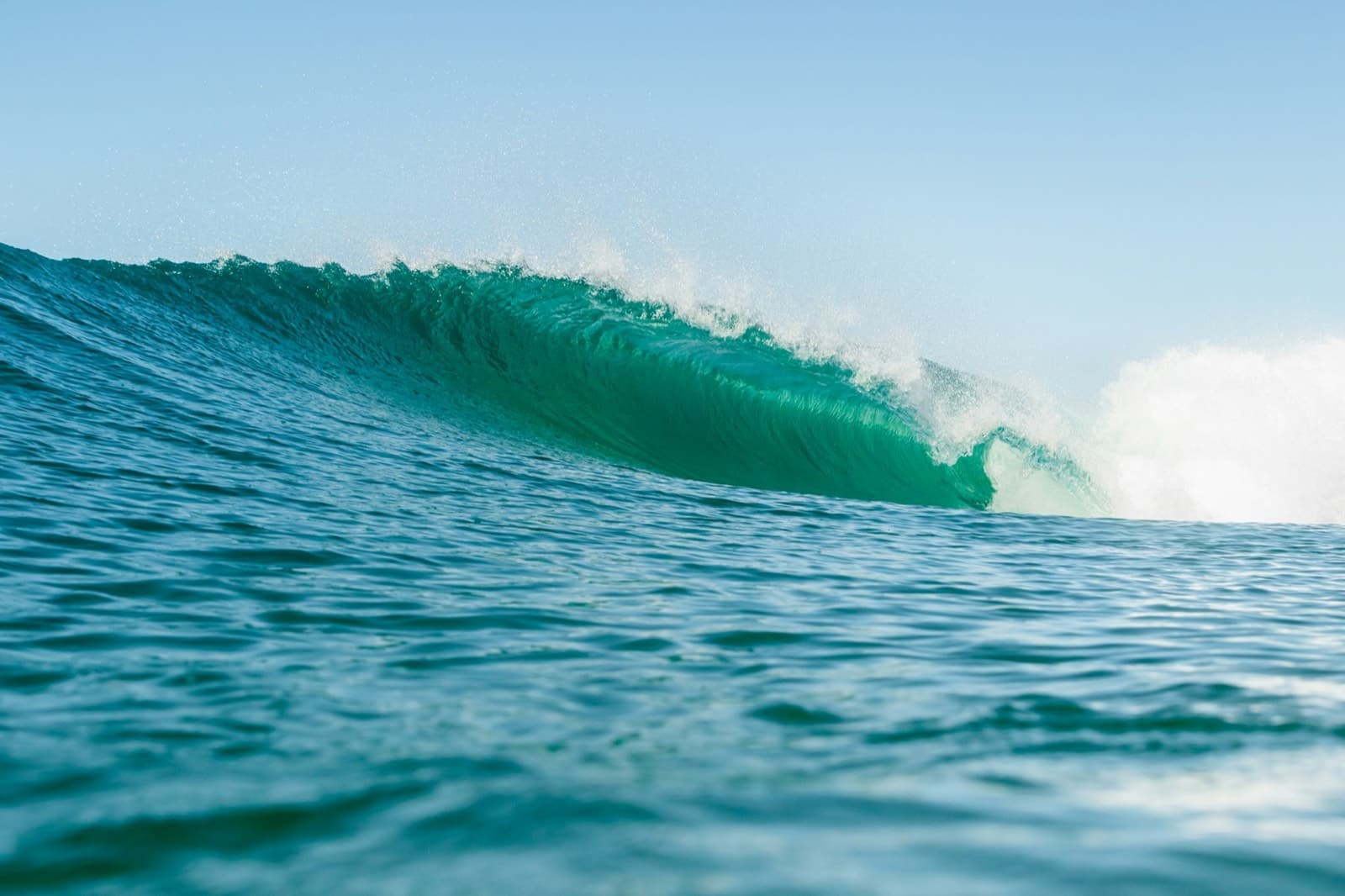 Costa da CaparicaAlmada, south of Lisbon · PortugalBeginner, Intermediate, Advanced · Beach break, Jetty
Alentejo and Costa Vicentina
Long, quiet beaches under cliffs and dunes inside a natural park. Consistent, powerful and rarely crowded.
- São TorpesSines, Alentejo · PortugalBeginner, Intermediate, Advanced · Beach break, Jetty
- Praia da Vieirinha – Vale de FigueirosSines, Alentejo · PortugalBeginner, Intermediate · Beach break
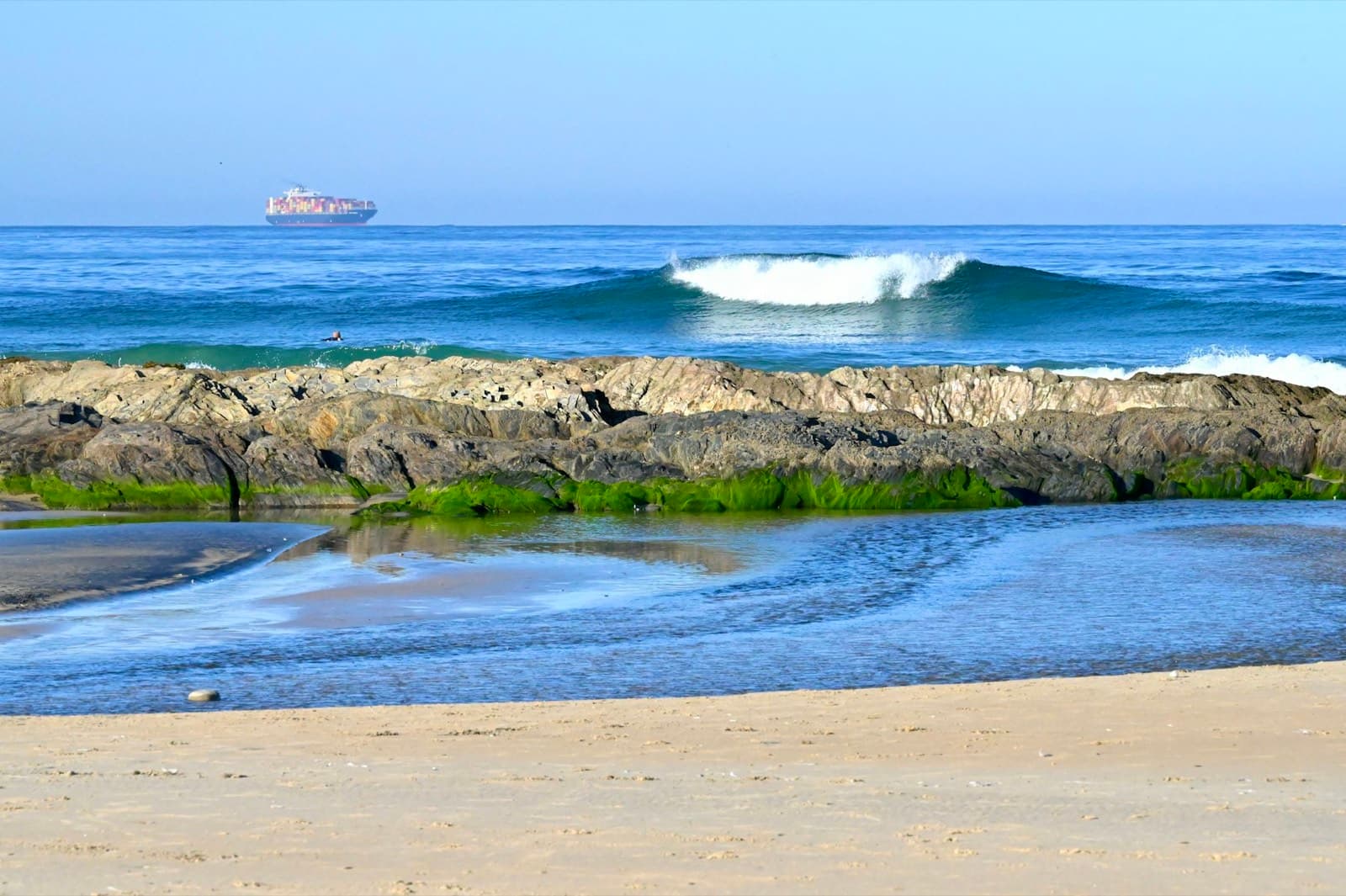 Porto CovoCosta Vicentina, Sines · PortugalBeginner, Intermediate · Beach break
- Praia dos AivadosCosta Vicentina, Alentejo · PortugalIntermediate, Advanced · Beach break
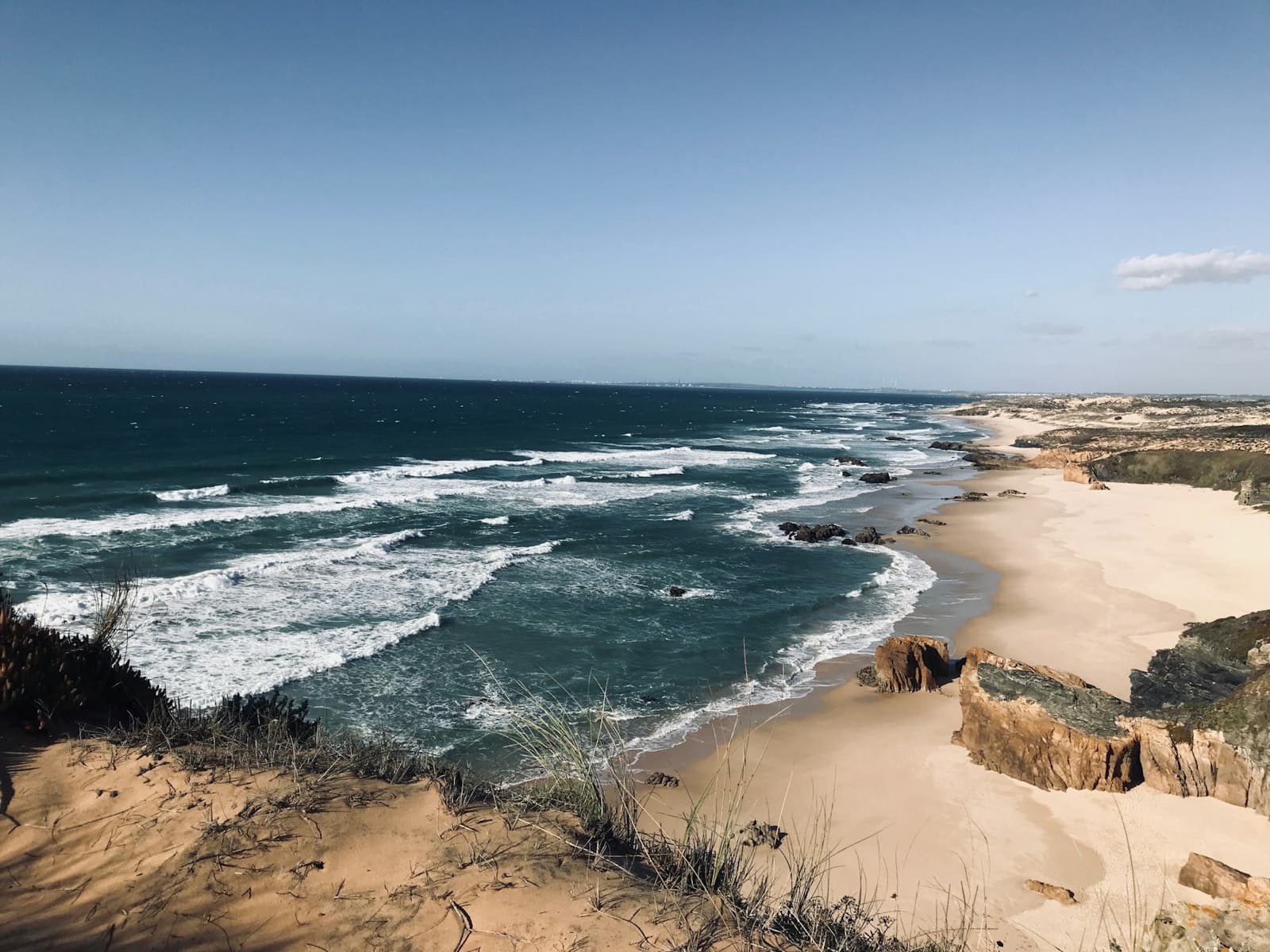 Praia do MalhãoCosta Vicentina, Odemira · PortugalBeginner, Intermediate, Advanced · Beach break
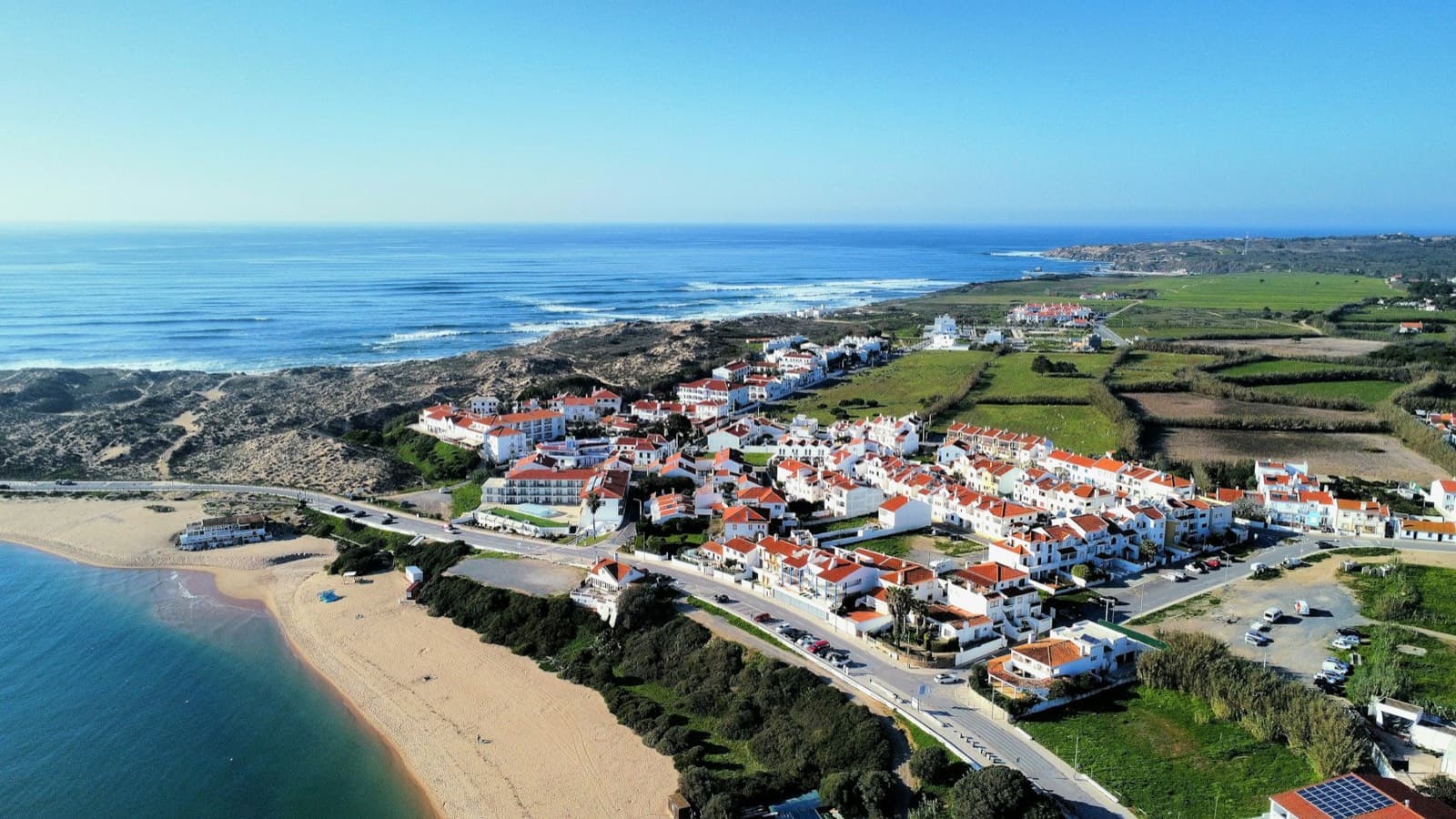 Vila Nova de MilfontesCosta Vicentina, Odemira · PortugalBeginner, Intermediate, Advanced · Beach break, River mouth, Reef break
 Praia da FranquiaCosta Vicentina, Odemira · PortugalBeginner · River mouth, Beach break
 Praia das FurnasCosta Vicentina, Odemira · PortugalBeginner, Intermediate · Beach break, River mouth
- Praia do AlmograveCosta Vicentina, Odemira · PortugalIntermediate · Beach break
Algarve and Sagres
Two coasts in one corner: the exposed west coast and a south coast that switches on when the swell is big.
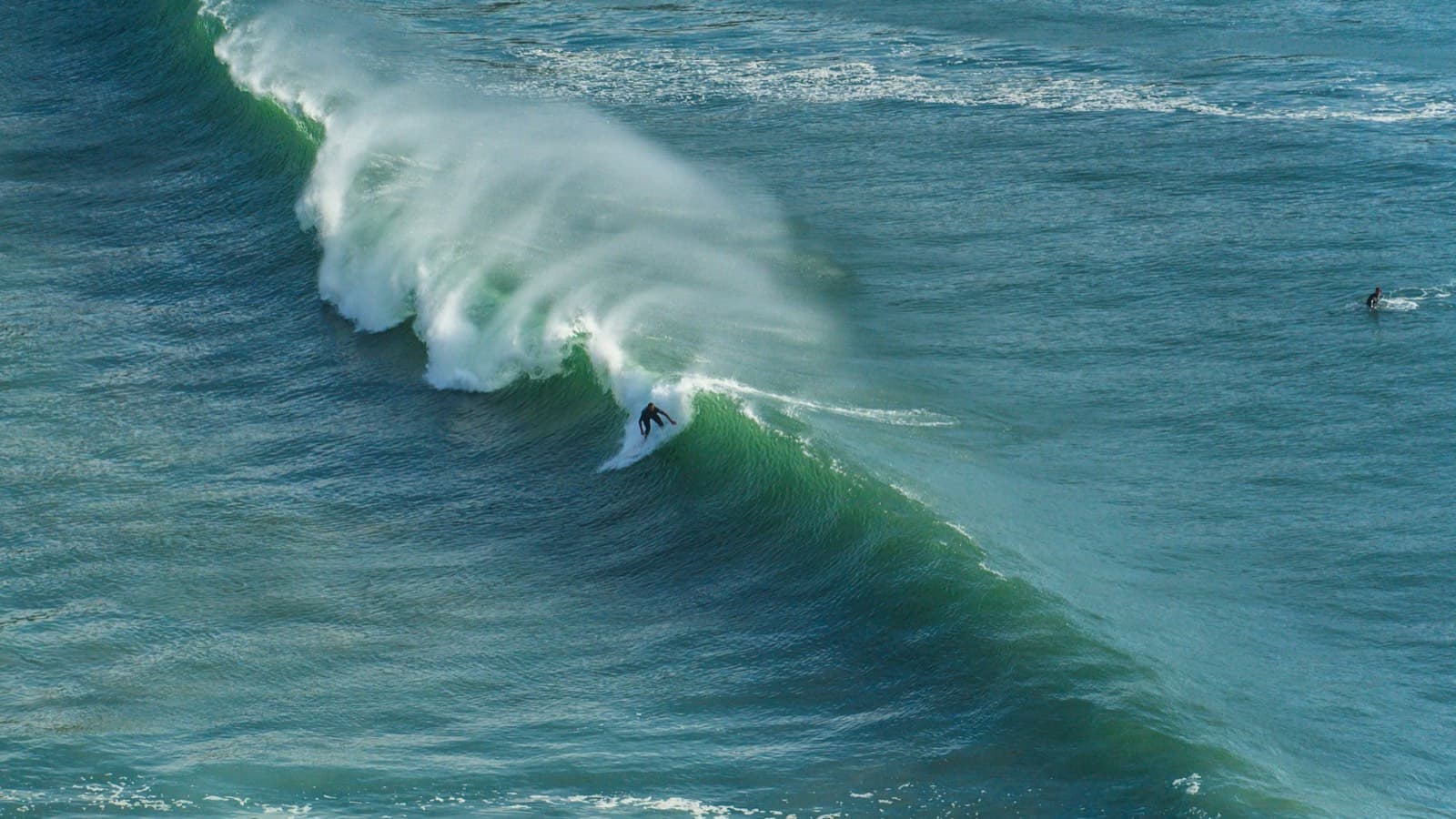 ArrifanaAljezur, Costa Vicentina · PortugalBeginner, Intermediate · Beach break, Reef break
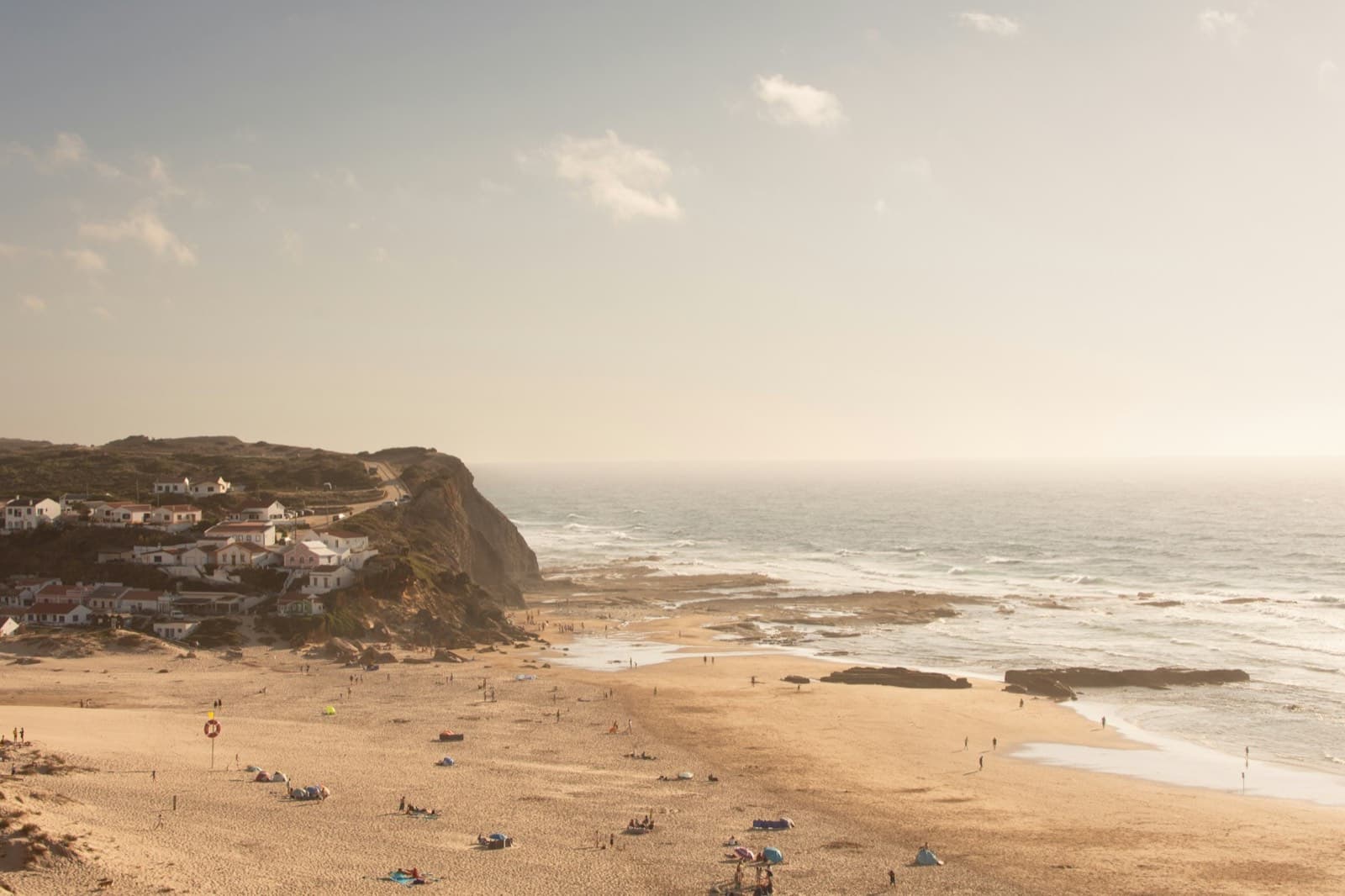 Monte ClérigoAljezur, Costa Vicentina · PortugalBeginner, Intermediate · Beach break
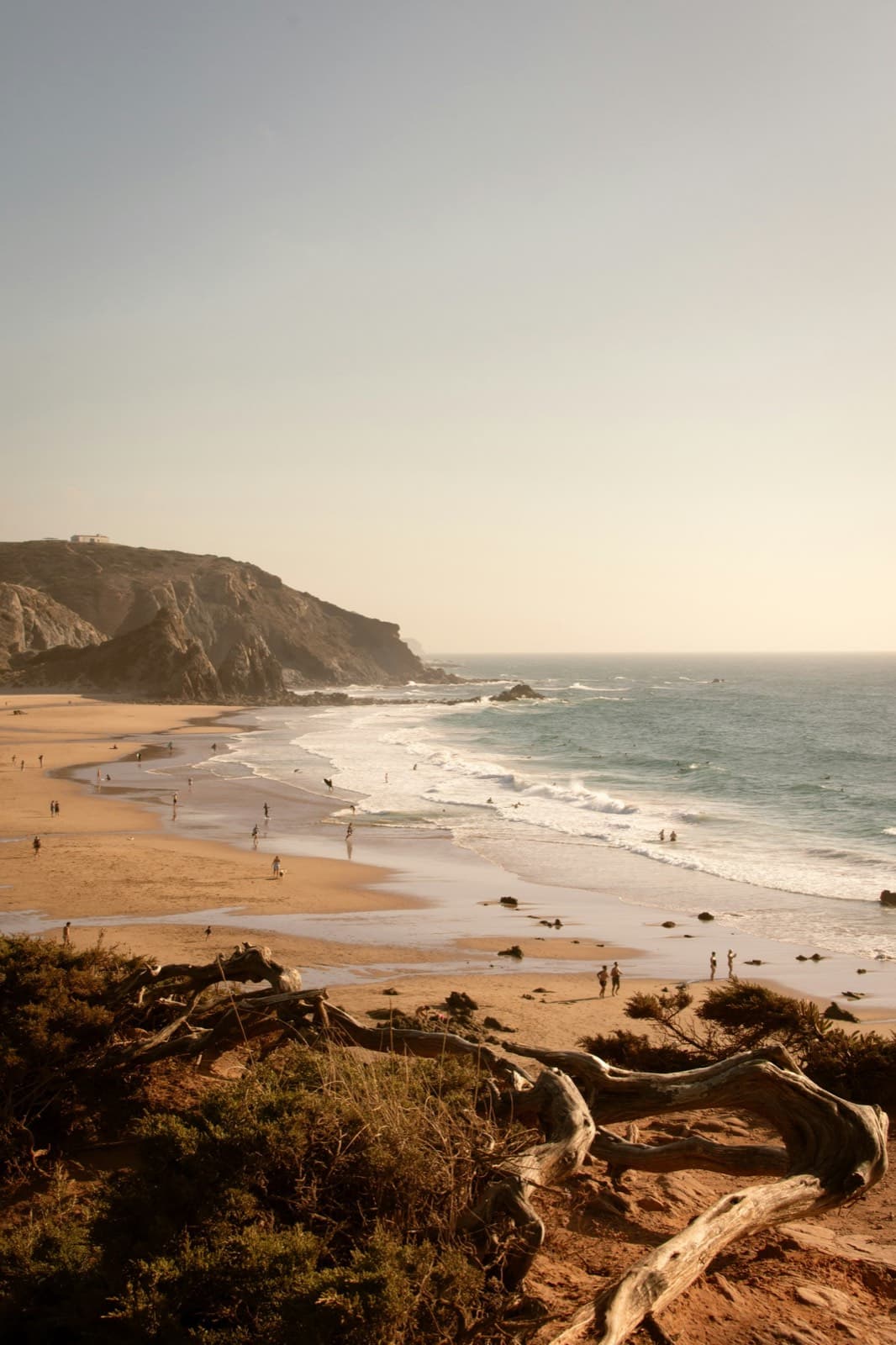 Praia do AmadoCarrapateira, Costa Vicentina · PortugalBeginner, Intermediate · Beach break
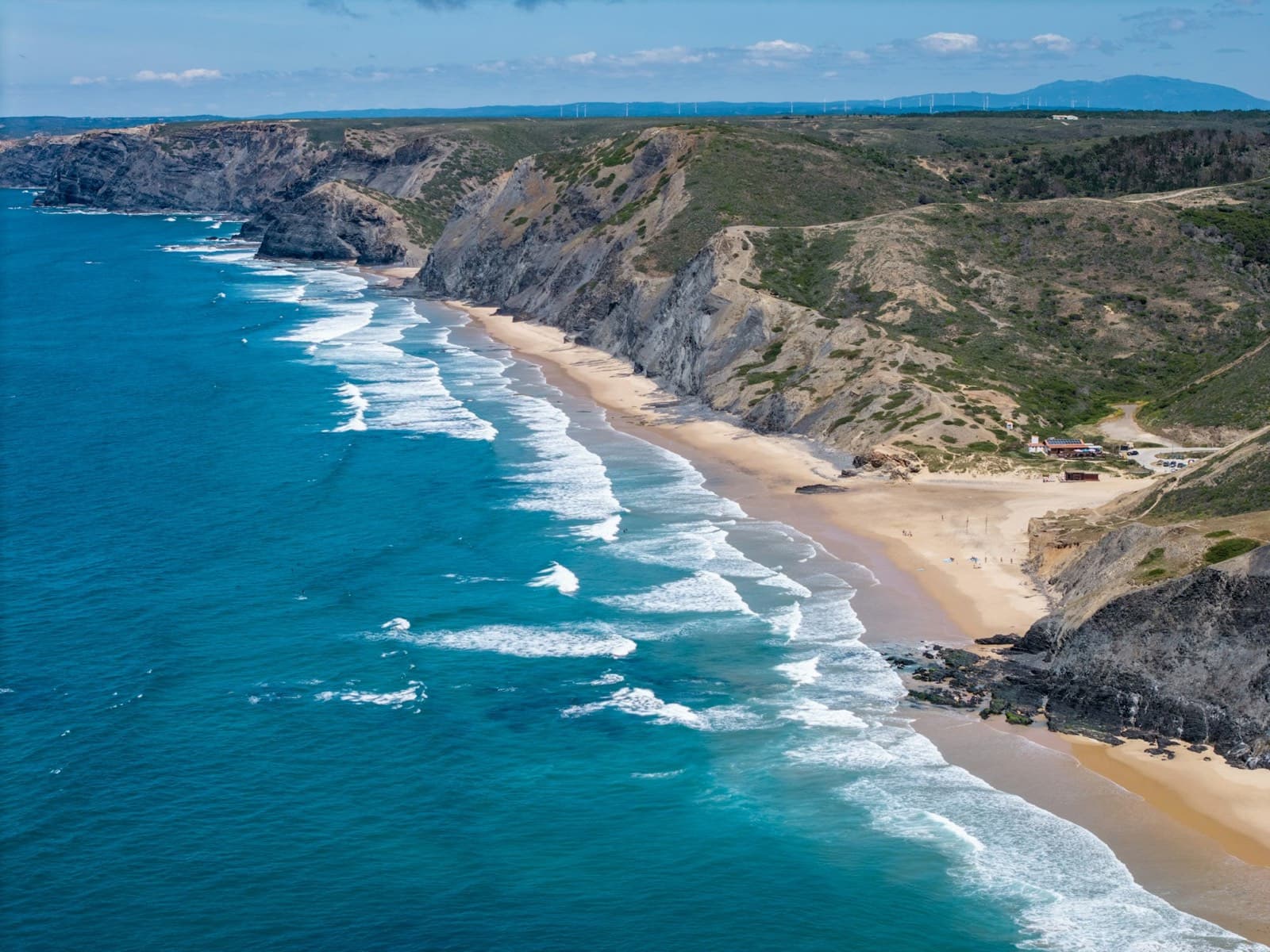 CordoamaVila do Bispo, Costa Vicentina · PortugalIntermediate, Advanced · Beach break
- SagresVila do Bispo, Algarve · PortugalBeginner, Intermediate, Advanced · Beach break, Point break
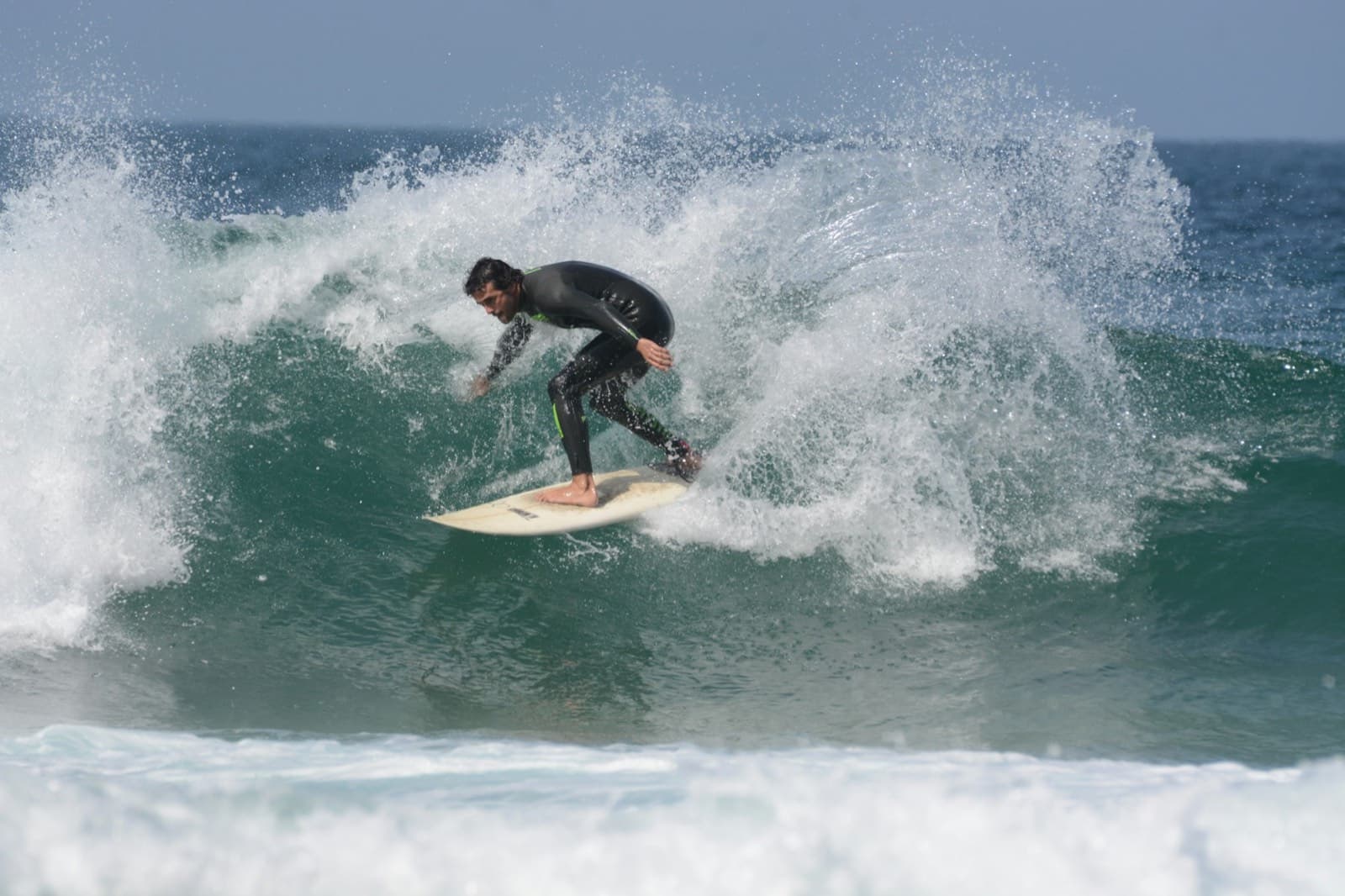 TonelSagres, Vila do Bispo · PortugalIntermediate, Advanced · Beach break
- ZavialRaposeira, Vila do Bispo · PortugalIntermediate, Advanced · Point break, Beach break
When to surf in Portugal
Autumn usually brings the best mix of swell, offshore winds and warm-ish water. Winter is for experienced surfers; summer is smaller and suits beginners.
Autumn
September, October, November
Spring
March, April, May
Where beginners can surf in Portugal
Sandy beach breaks with surf schools and room to learn. Go on small days and ask the lifeguards about currents.
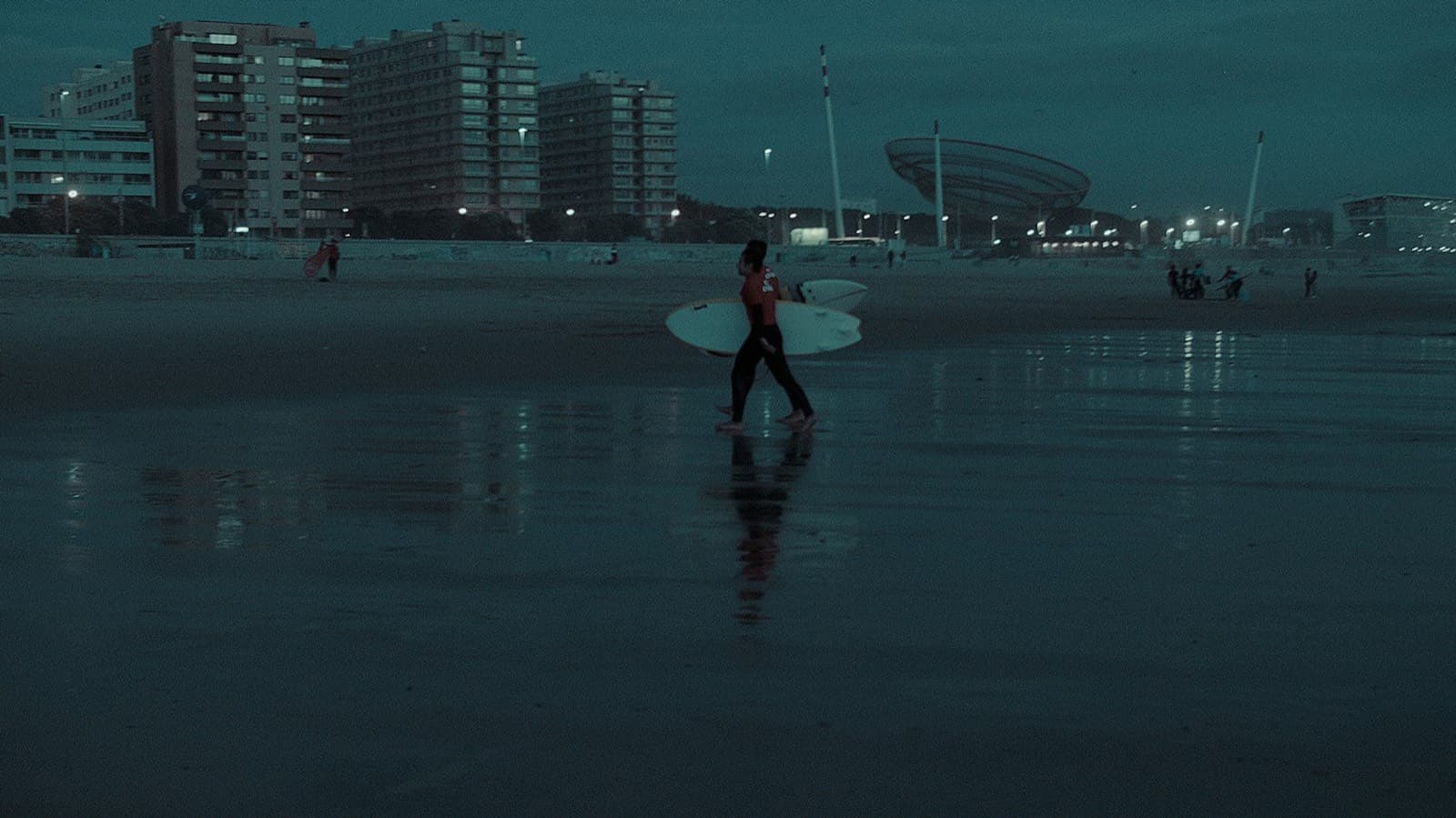 MatosinhosMatosinhos, Porto · PortugalBeginner, Intermediate · Beach break
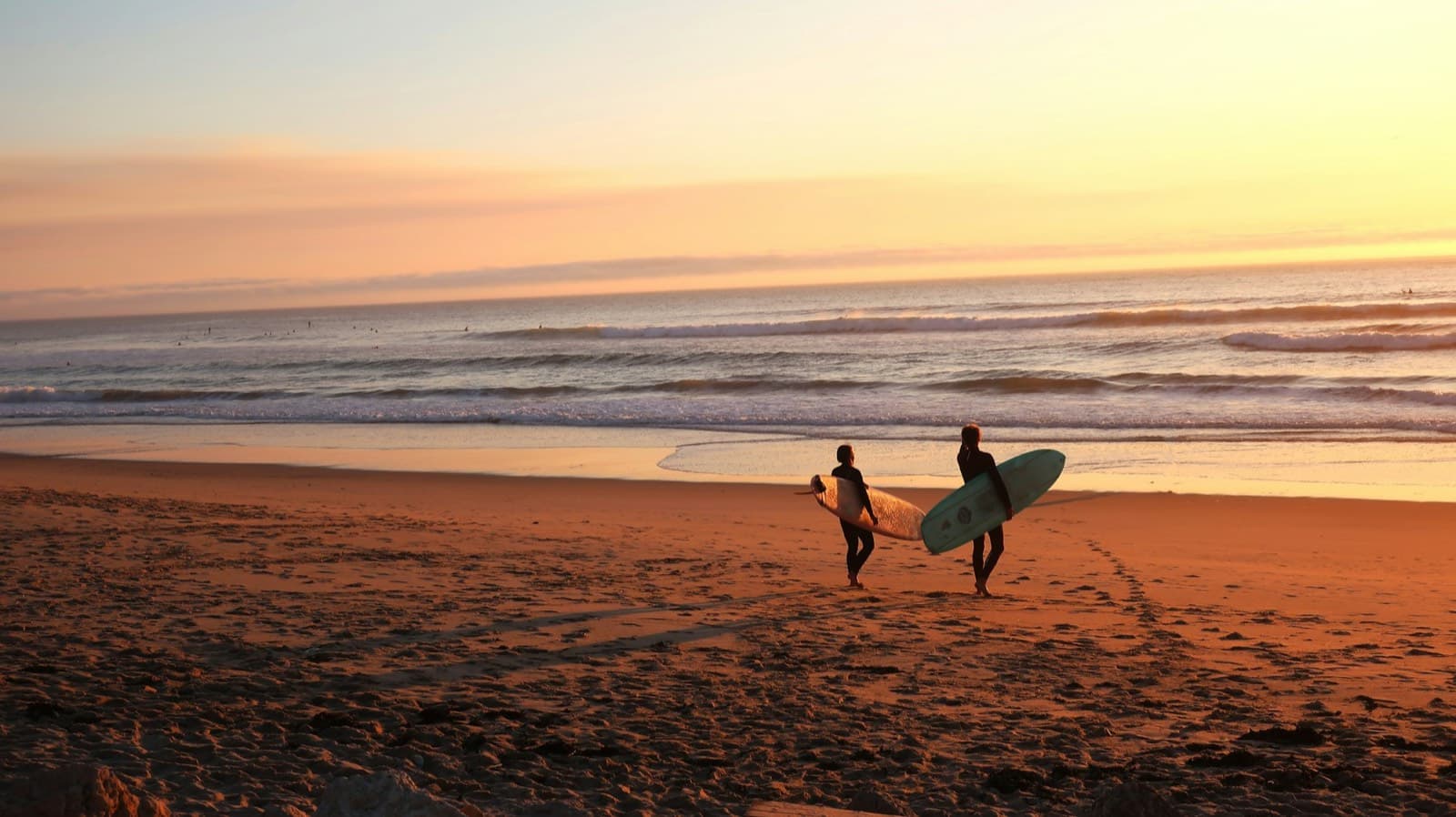 Figueira da FozFigueira da Foz, Centro · PortugalBeginner, Intermediate, Advanced · Point break, Jetty, River mouth, Beach break
- PenichePeniche, Oeste · PortugalBeginner, Intermediate, Advanced, Expert · Beach break, Reef break, Point break, Jetty
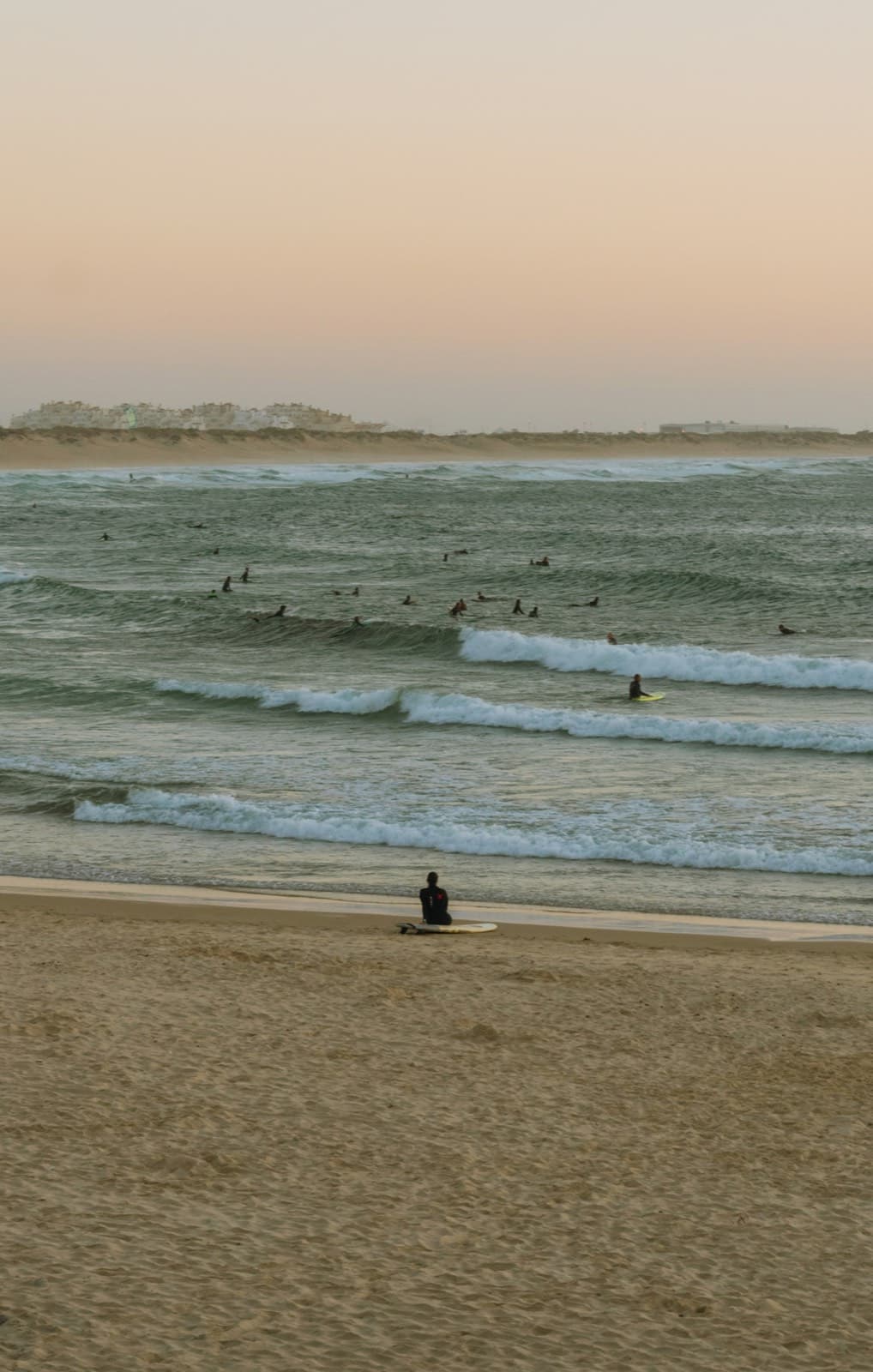 BalealPeniche, Oeste · PortugalBeginner, Intermediate · Beach break
- EriceiraEriceira, Mafra · PortugalBeginner, Intermediate, Advanced, Expert · Point break, Reef break, Beach break, River mouth
- Foz do LizandroEriceira, Mafra · PortugalBeginner, Intermediate · Beach break, River mouth
- CarcavelosCascais line, Lisbon · PortugalBeginner, Intermediate, Advanced · Beach break
- Costa da CaparicaAlmada, south of Lisbon · PortugalBeginner, Intermediate, Advanced · Beach break, Jetty
- São TorpesSines, Alentejo · PortugalBeginner, Intermediate, Advanced · Beach break, Jetty
- Praia da Vieirinha – Vale de FigueirosSines, Alentejo · PortugalBeginner, Intermediate · Beach break
- Porto CovoCosta Vicentina, Sines · PortugalBeginner, Intermediate · Beach break
- Praia do MalhãoCosta Vicentina, Odemira · PortugalBeginner, Intermediate, Advanced · Beach break
- Vila Nova de MilfontesCosta Vicentina, Odemira · PortugalBeginner, Intermediate, Advanced · Beach break, River mouth, Reef break
- Praia da FranquiaCosta Vicentina, Odemira · PortugalBeginner · River mouth, Beach break
- Praia das FurnasCosta Vicentina, Odemira · PortugalBeginner, Intermediate · Beach break, River mouth
- ArrifanaAljezur, Costa Vicentina · PortugalBeginner, Intermediate · Beach break, Reef break
- Monte ClérigoAljezur, Costa Vicentina · PortugalBeginner, Intermediate · Beach break
- Praia do AmadoCarrapateira, Costa Vicentina · PortugalBeginner, Intermediate · Beach break
- SagresVila do Bispo, Algarve · PortugalBeginner, Intermediate, Advanced · Beach break, Point break
Surf photography in Portugal
Cliffs, headlands and a lighthouse above the biggest waves on Earth: where to shoot each spot, the light and the lens.
Frequently asked questions
What is the best time of year to surf in Portugal?
September to November is the favourite: regular swells, more offshore mornings and water that is still warm from summer. Winter has the biggest, most powerful waves for experienced surfers. Summer is smaller and windier in the afternoons, which suits beginners.
Is Portugal good for surfing in summer?
Yes, for learning and small-wave fun. Swells are smaller and the northerly wind often picks up after midday, so surf early. South-facing corners of the Algarve and sheltered bays such as Baleal stay cleaner when that wind blows.
How cold is the water in Portugal?
Colder than people expect. On the west coast it is often 14–16 °C in winter and rarely much above 20 °C in summer; the north is colder. A 4/3 mm wetsuit covers most of the year, with a 3/2 mm in summer.
Where can you watch the big waves of Nazaré?
From the headland of the Fort of São Miguel Arcanjo, the lighthouse above Praia do Norte. The giant days come with big north-west swells, mostly from October to March, and the viewpoint gets very busy.