Cascais line, Lisbon · Portugal
Surfing Carcavelos
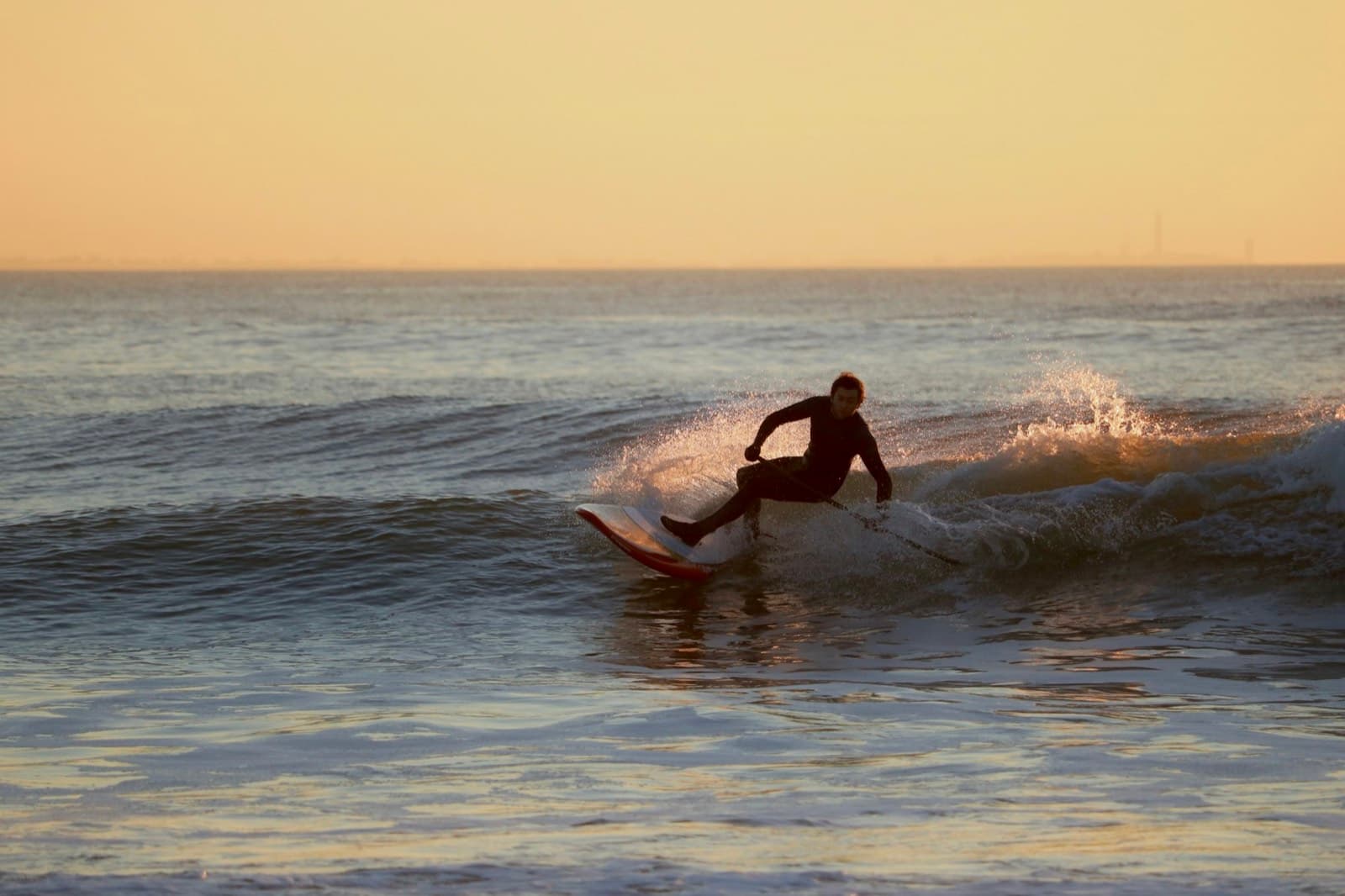
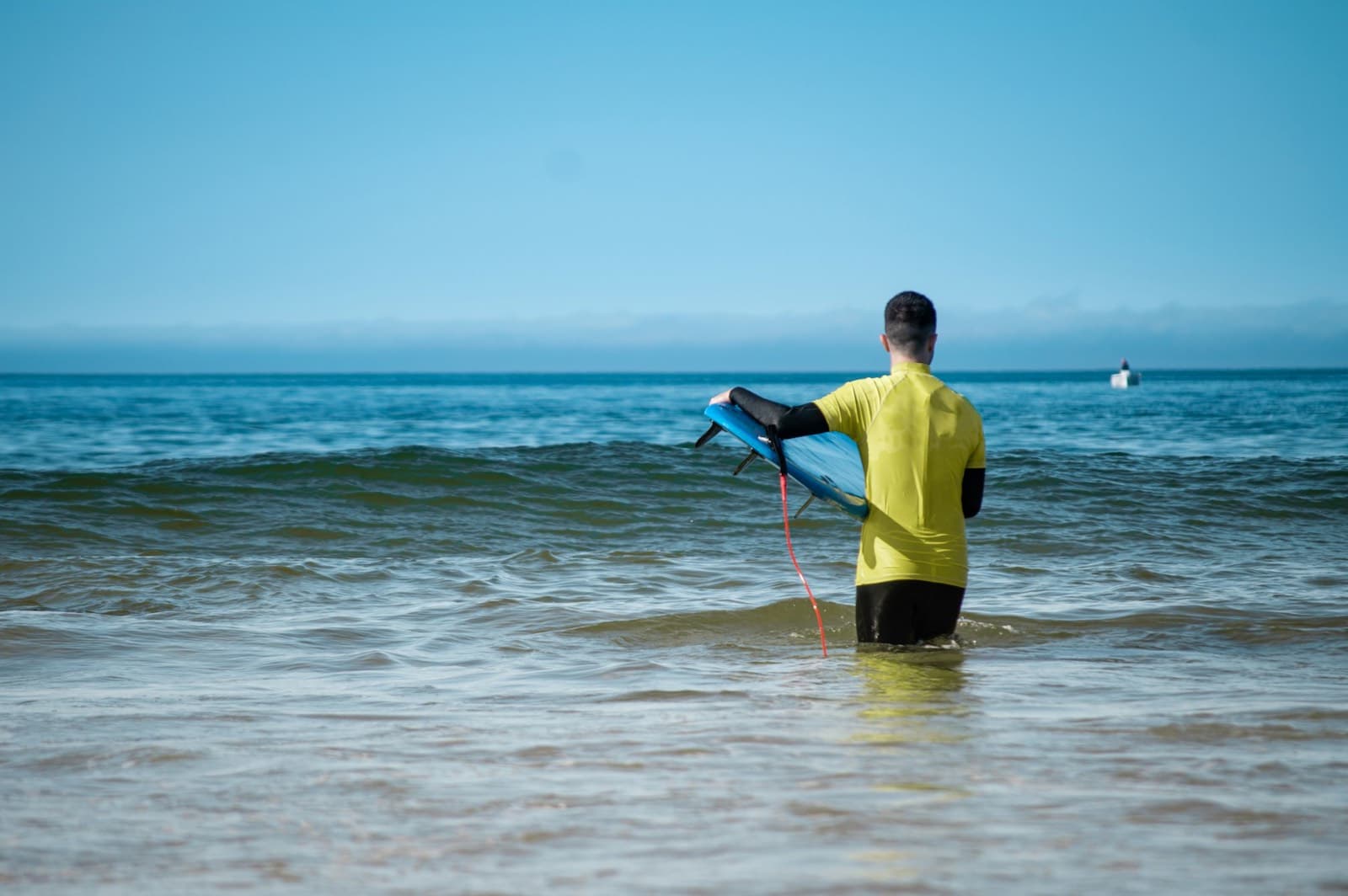
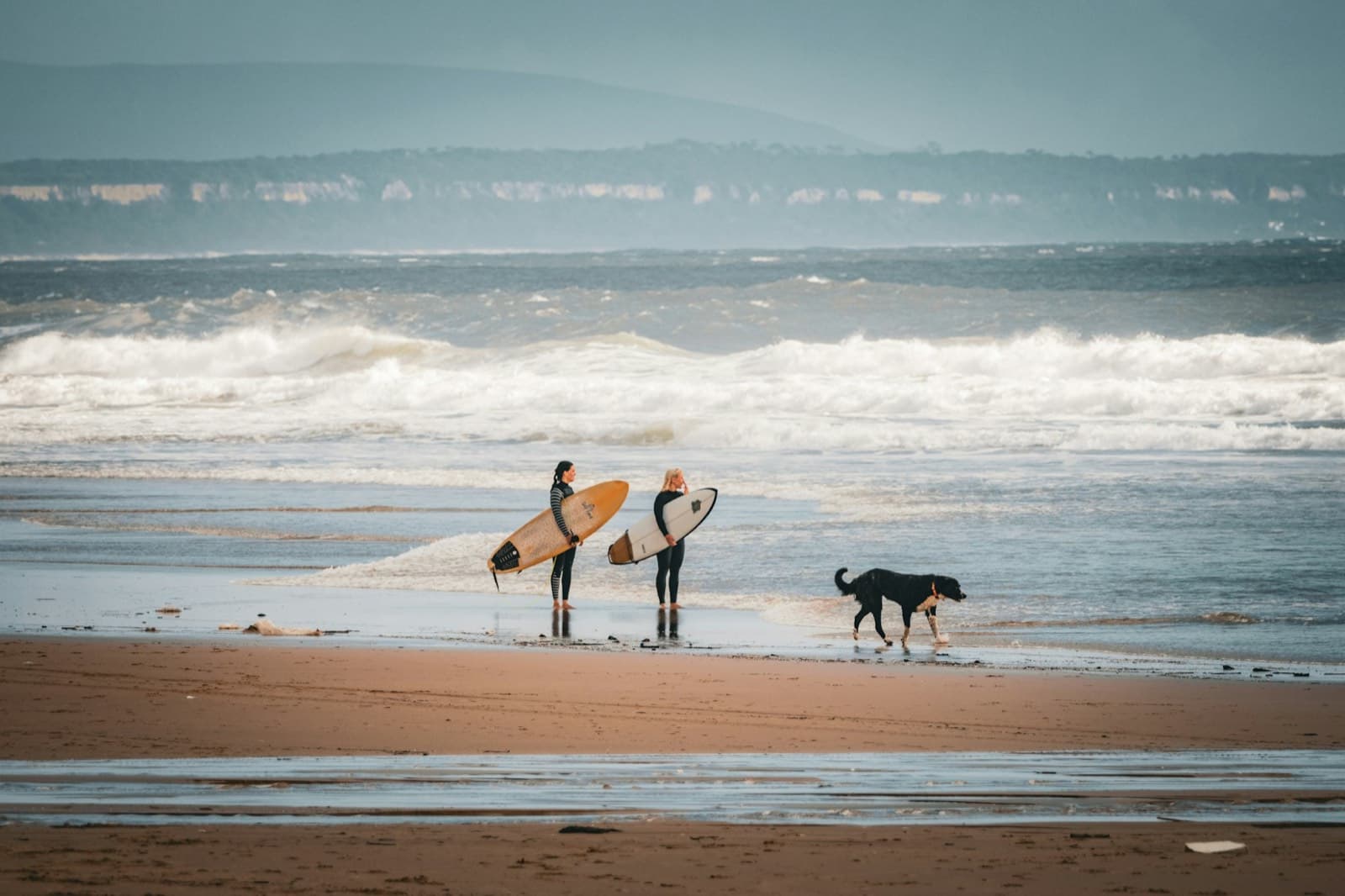
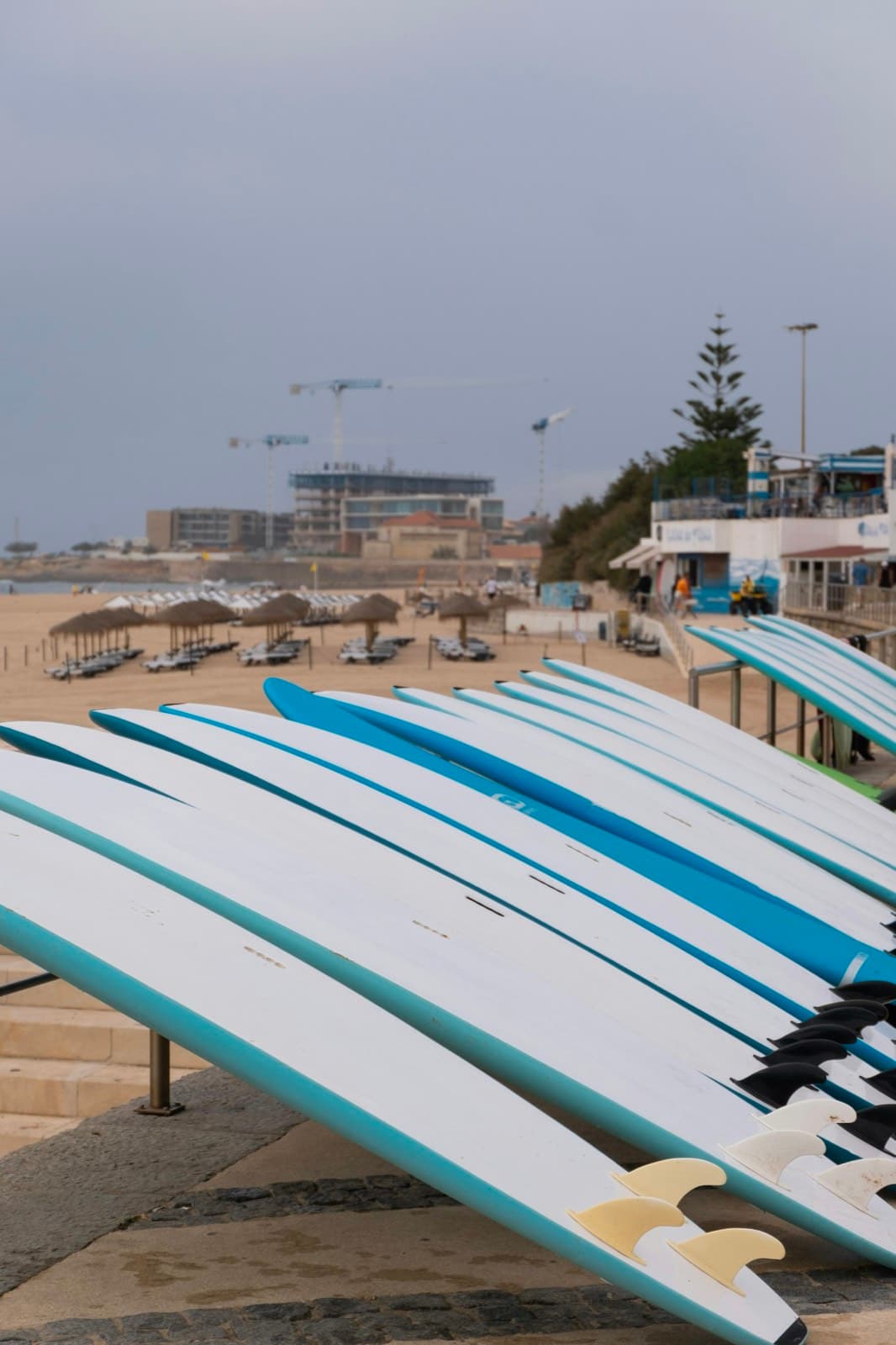
Carcavelos is Lisbon's home break: a sandy beach about 1.5 km long on the Cascais line, 20 km west of the city centre and a short walk from its train station, with the Forte de São Julião da Barra at its eastern end. Summer is small and full of surf schools; from October to March a solid west or south-west swell turns it into a fast, hollow beach break. Expect a crowd whenever it is good.
At a glance
- Wave
- Beach break · Lefts and rights
- Bottom
- Sand
- Level
- Beginner, Intermediate, Advanced
- Best swell
- SW, WSW, W
- Best wind
- N, NNE, NE
- Tide
- Low to mid tide
- Best months
- Oct–Mar
- Water
- 14–19 °C · 4/3 mm → 3/2 mm
- Crowd
- Crowded
The surf in Carcavelos
The beach faces south-south-west, just inside the mouth of the Tagus, so it needs a decent west to south-west swell to wrap in and is usually smaller than the exposed west coast. When that swell meets a north or north-east wind, which blows offshore here, the sandbanks produce several peaks with lefts and rights; the lefts tend to be longer and more frequent. Rides are short and punchy, up to about 100 m, and in winter the waves get fast, hollow and powerful, with a heavy shorebreak and stronger currents that suit experienced surfers.
It works on all tides, but low to mid tide often sharpens the faces; keep an eye on the rocky areas at the ends of the beach. October to March is the season for quality, while from June to August it is often flat or knee-high and good mainly for lessons. It is one of the busiest line-ups in Portugal, with schools, city surfers and a committed local crew, so pick your peak and respect the rotation. After heavy rain, water quality at this urban beach can drop, so it is wise to wait a day or two.
Photographing surf in Carcavelos
Carcavelos faces south-south-west, so for much of the day the sun hangs over the sea, the waves are backlit and midday brings strong glare off the water. The most useful light comes early, when the low sun from the east rakes across the wave faces from your left, and late in the afternoon, when it drops toward Cascais for warm, grazing light and silhouettes; in winter it sets over the sea.
The peaks break close to the sand, so a 200–500 mm lens on full frame fills the frame from the water's edge, and 70–200 mm covers the inside and lessons. The promenade behind the beach gives a slightly higher view for spotting which bank is working. The fort at the east end makes a strong background for wider frames with the swell lines. Shooting from the water is realistic on small and medium days for confident swimmers; on big winter days the shorebreak and currents make it a job for experienced water photographers.
Getting there
Trains on the Cascais line leave Lisbon's Cais do Sodré roughly every 20 minutes and reach Carcavelos in about 20–30 minutes; from the station it is a 5–10 minute walk to the sand. By car, take the A5 motorway or the coastal Marginal road; car parks fill early on summer weekends and good swell days. Along the beach you will find surf schools, board rental, cafés, bars, restaurants and showers, with lifeguards during the May to September bathing season.
Surfing or shooting here?
Surfing in Carcavelos?
Post your surf plan with your dates. Photographers in the area can see it and offer to shoot your session.
Shooting in Carcavelos?
Share your photos with the beach tagged. Surfers looking at Carcavelos find your work and can message you.
Nearby spots
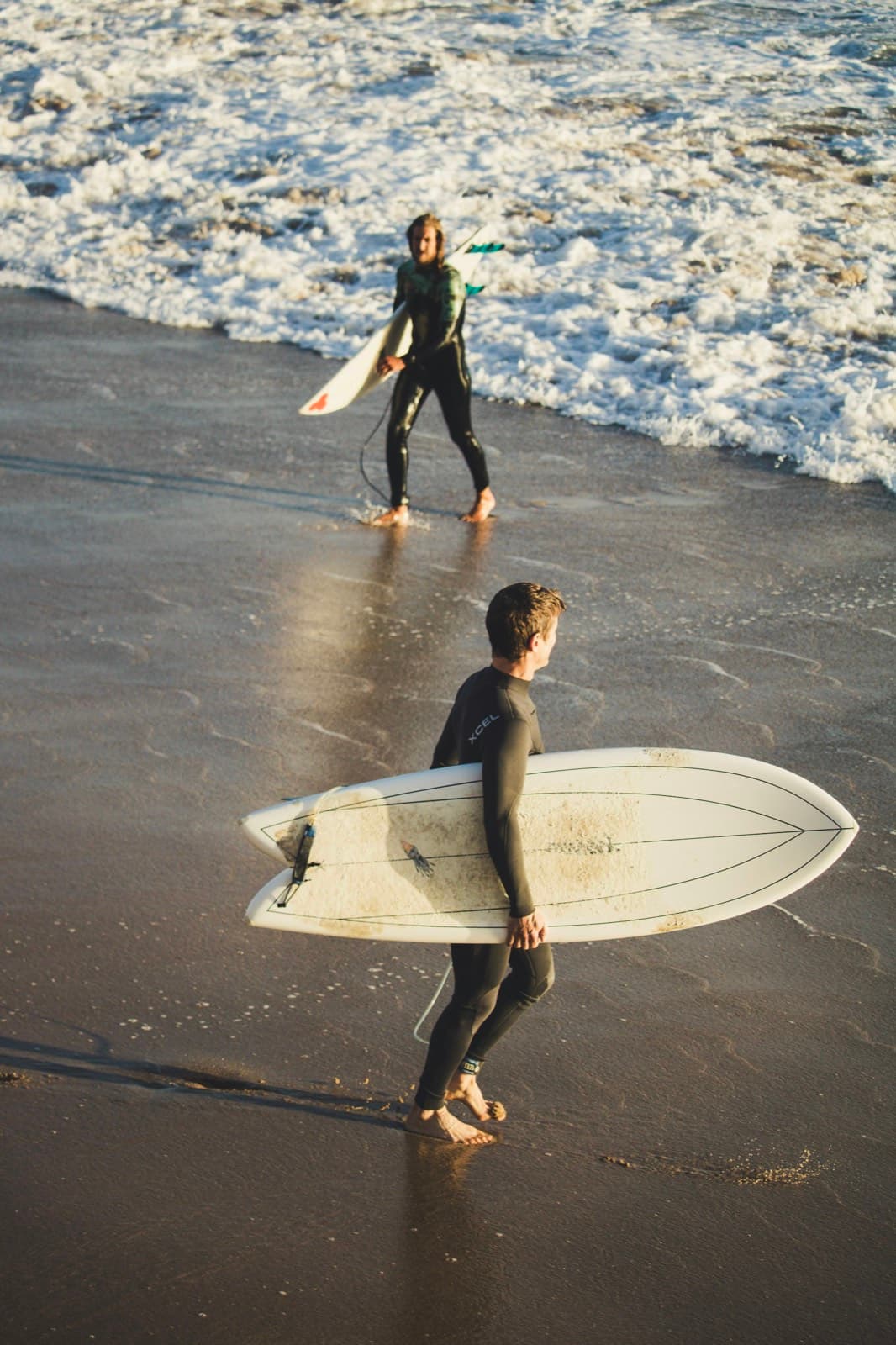 São Pedro do EstorilCascais line, Cascais · PortugalIntermediate · Point break, Reef break
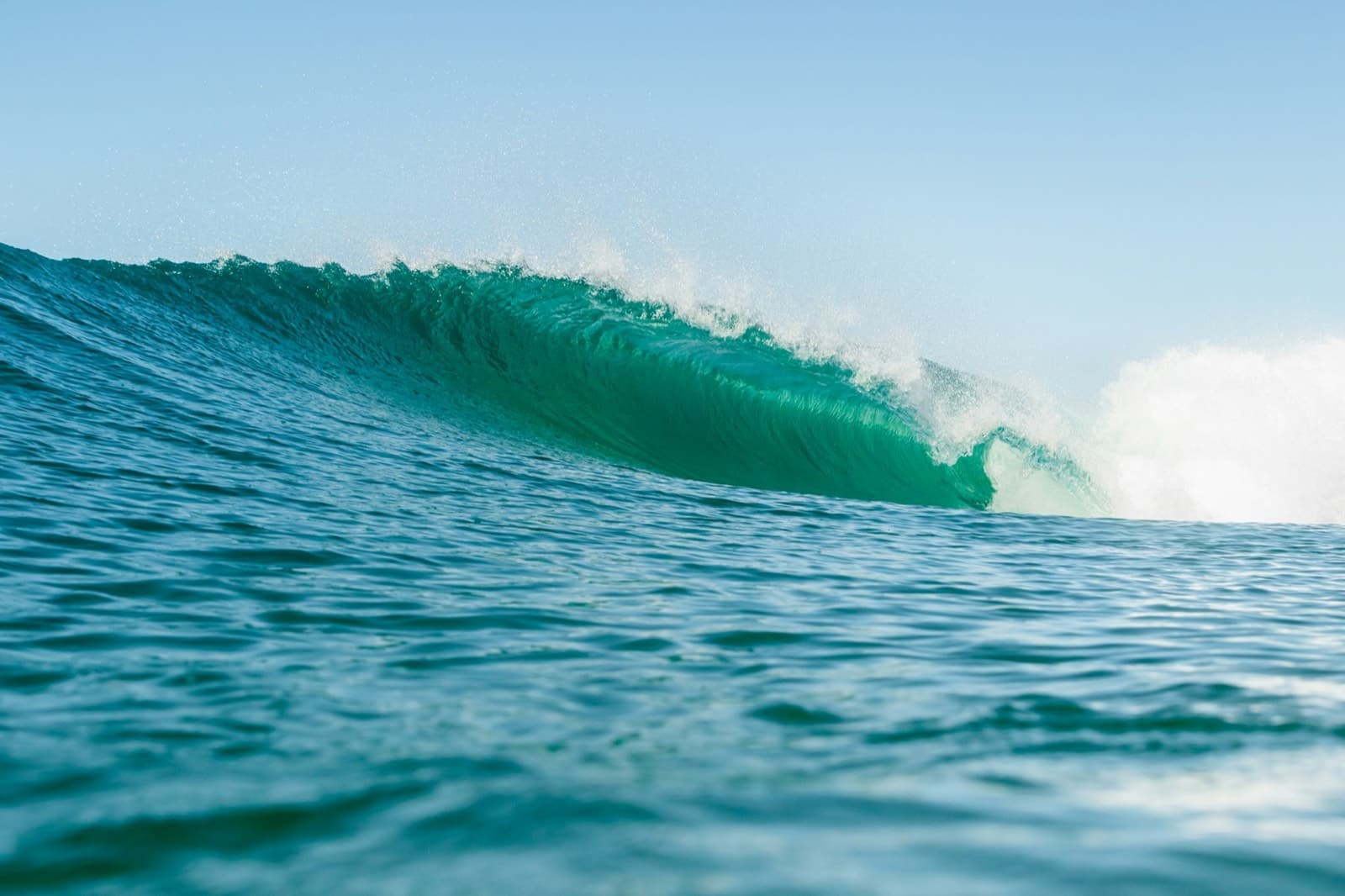 Costa da CaparicaAlmada, south of Lisbon · PortugalBeginner, Intermediate, Advanced · Beach break, Jetty
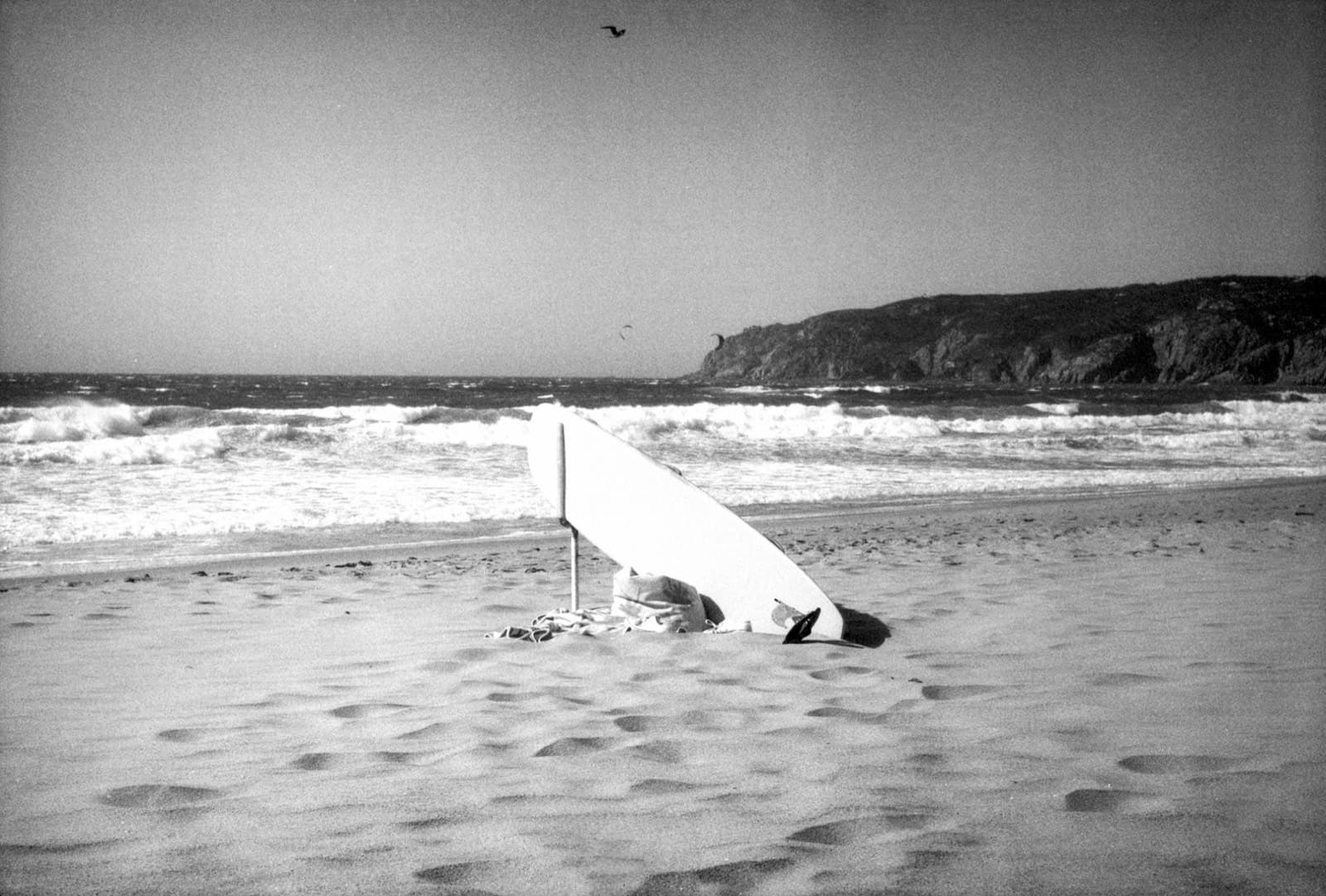 Praia do GuinchoCascais, Sintra-Cascais Natural Park · PortugalIntermediate, Advanced · Beach break
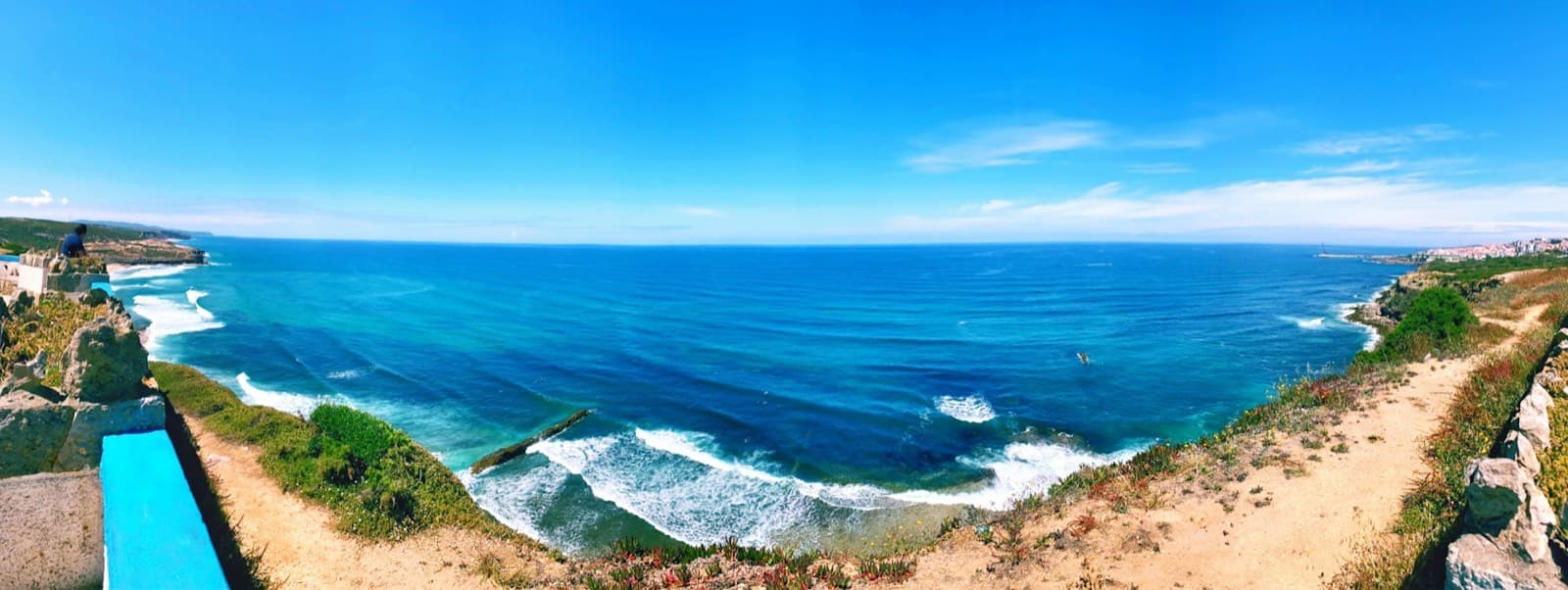 Foz do LizandroEriceira, Mafra · PortugalBeginner, Intermediate · Beach break, River mouth
Frequently asked questions
When is the best time to surf Carcavelos?
October to March, when Atlantic groundswells from the west and south-west are big enough to wrap into this south-facing beach. Look for a north or north-east wind and a lower tide. Summer is usually small, which suits first lessons but not much else, and the good winter days draw a big crowd.
Is Carcavelos good for beginners?
In summer and on small days, yes: the sand bottom, easy whitewater and many surf schools make it a simple place to start. In winter it becomes fast, hollow and crowded, with stronger currents and a heavy shorebreak, so beginners should stay in the whitewater with an instructor or wait for a smaller day.
Where can you photograph surfing at Carcavelos?
From the water's edge, where the peaks break close enough for a 200–500 mm lens, or from the promenade behind the beach for an overview. Early morning and late afternoon give side light on this south-facing beach; around midday the sun sits over the sea and everything is backlit.
How do you get to Carcavelos from Lisbon?
Take the Cascais line train from Cais do Sodré. Services run about every 20 minutes and take 20–30 minutes to Carcavelos station, then it is a 5–10 minute walk to the beach, which makes it easy to go with a board. Driving works via the A5 or the Marginal, but parking fills quickly on good days.
How can I get photos of my surf session in Carcavelos?
Post your surf plan on Makai with the dates you will be here, so photographers in the area can offer to shoot you, or browse surf photographers and message one before your session. Agree on what you will get before you paddle out.
Updated September 2026