Almada, south of Lisbon · Portugal
Surf in Costa da Caparica
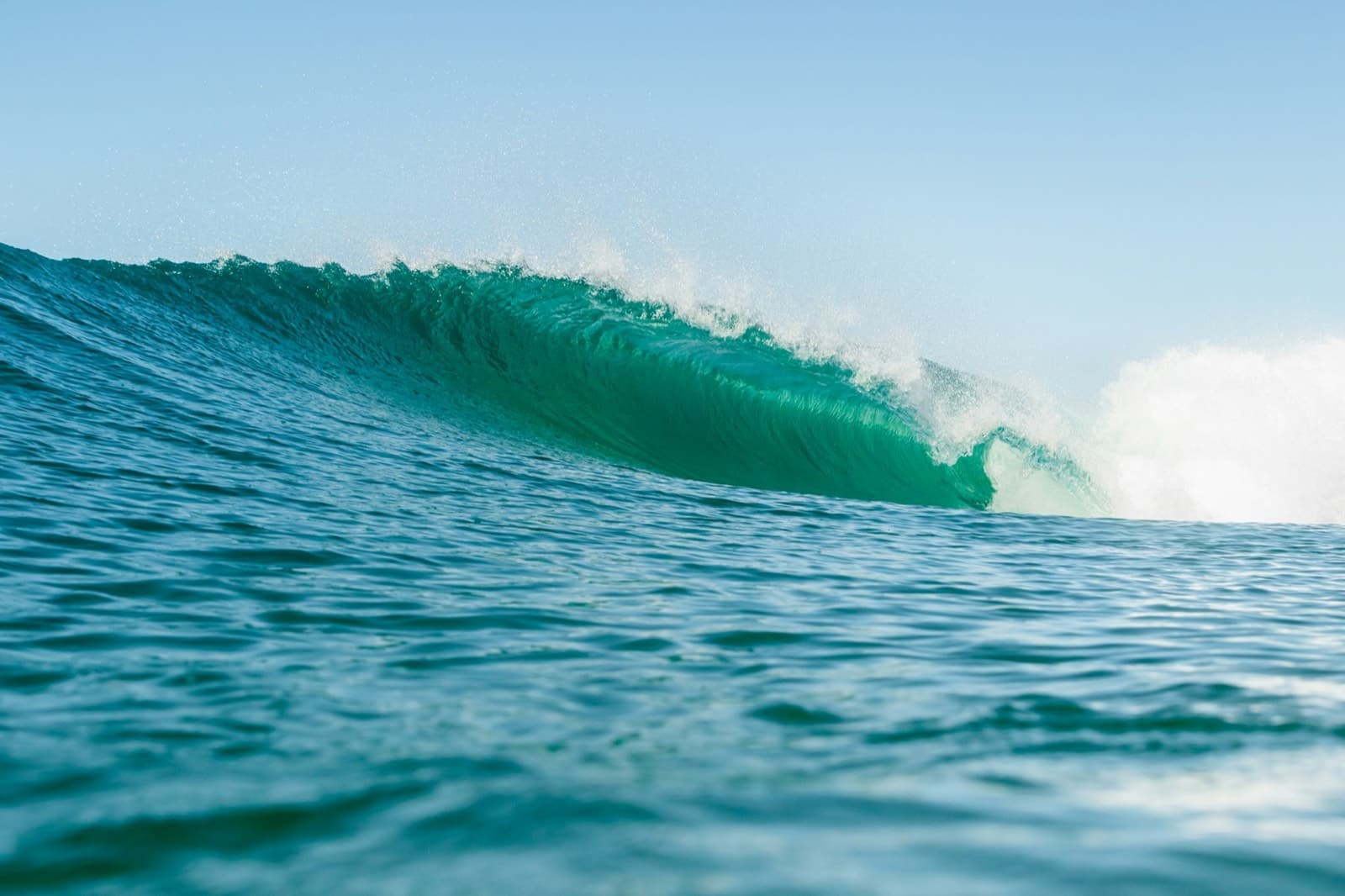
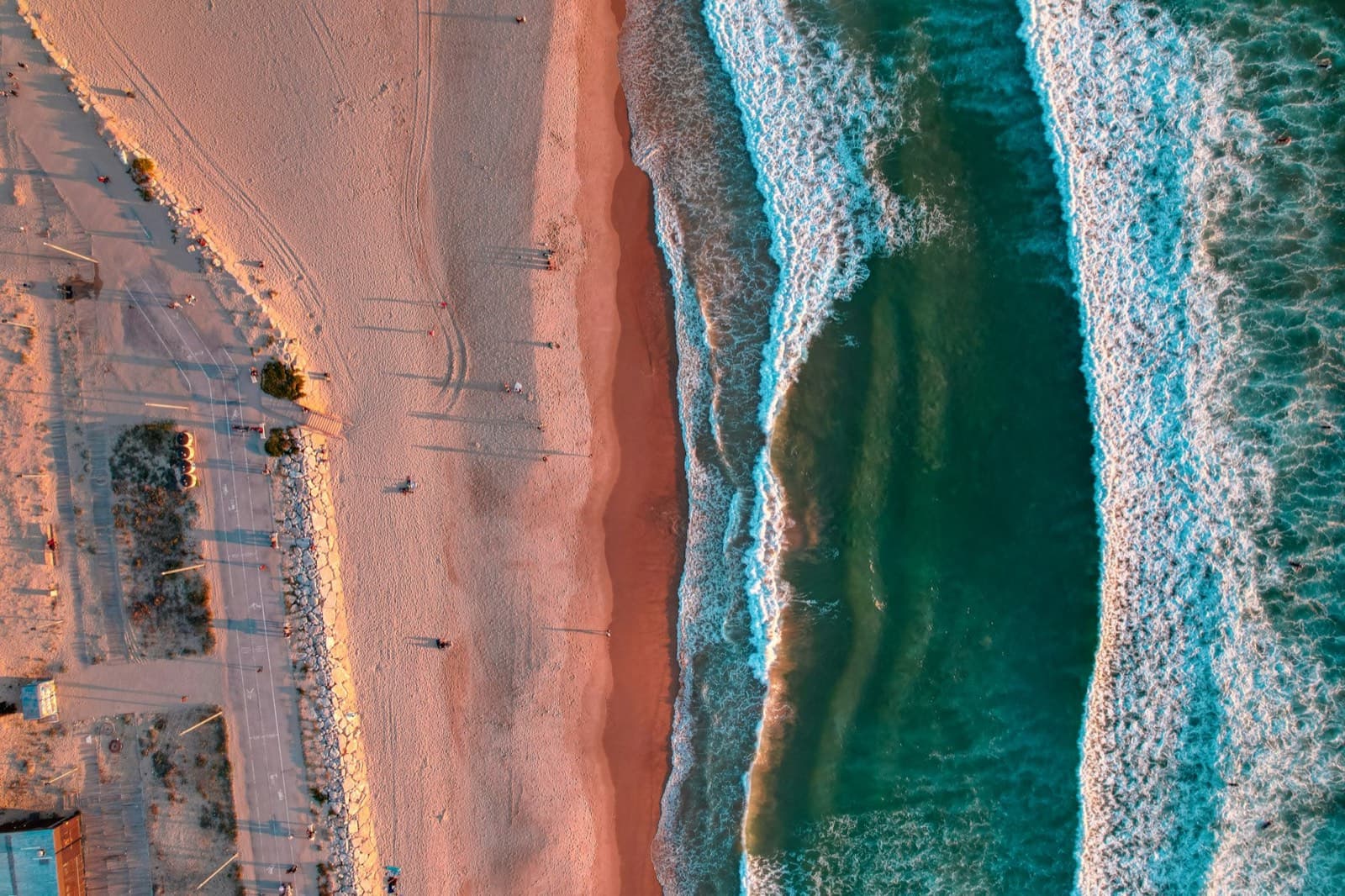
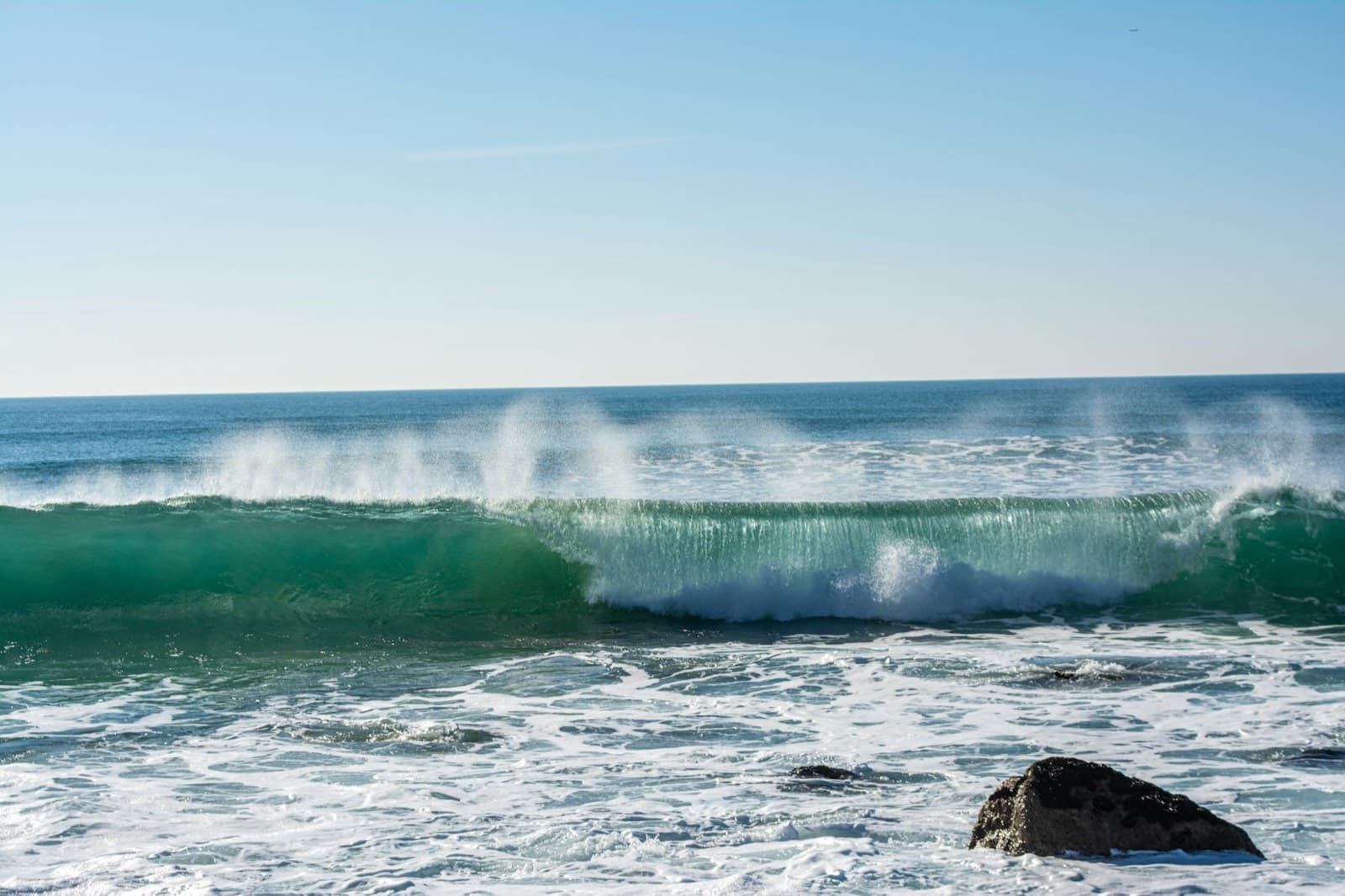
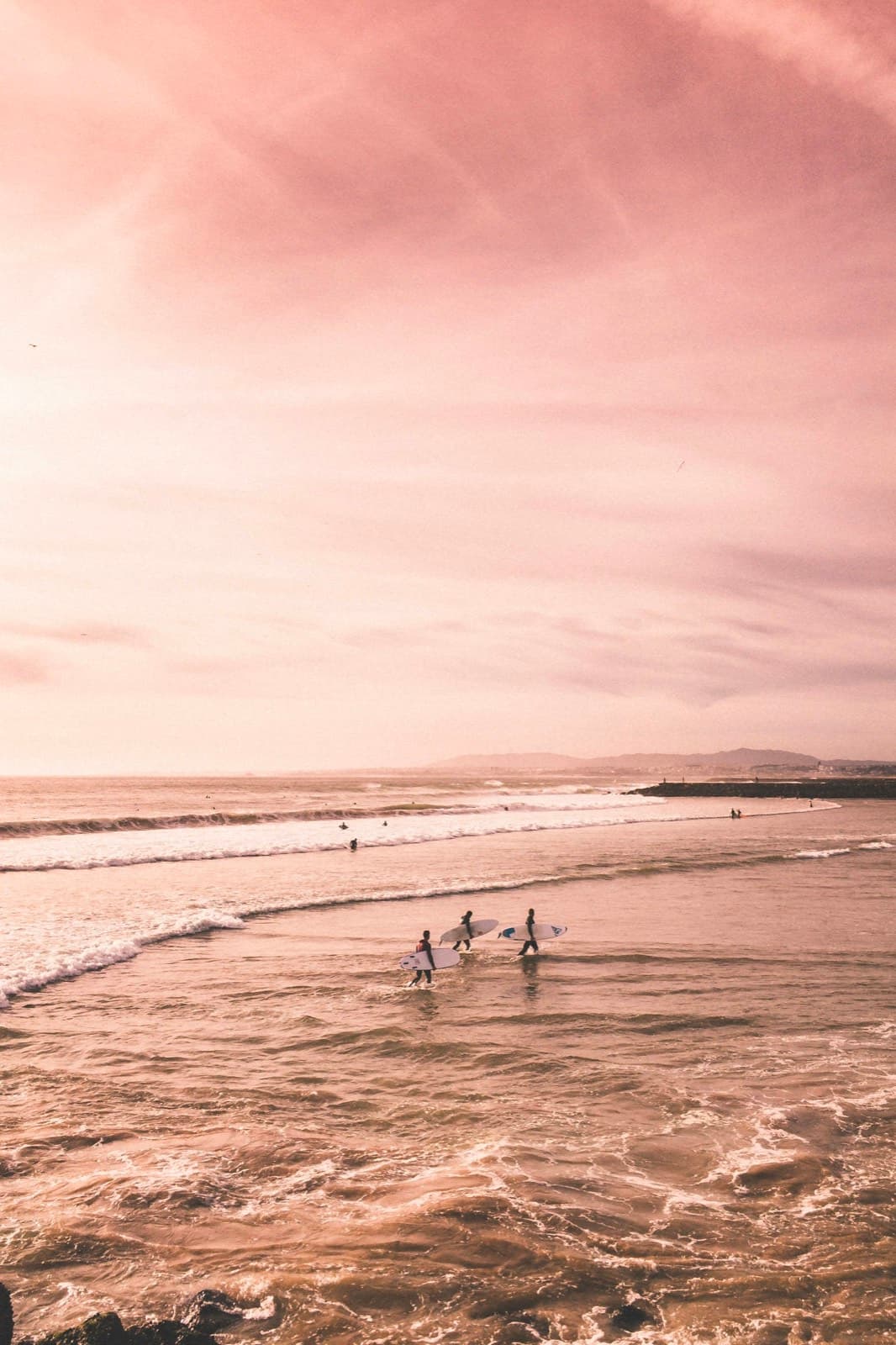
Costa da Caparica is the long sandy coast just south of Lisbon, across the 25 de Abril bridge in Almada. Its beaches run for roughly 25–30 km, from Cova do Vapor at the mouth of the Tagus down past Fonte da Telha, beneath the Arriba Fóssil cliffs. It is one of the easiest places near the capital to learn and a busy playground for local surfers. The key thing to know: the rock groynes in town shape both the best banks and the strongest rips.
At a glance
- Wave
- Beach break, Jetty · Lefts and rights
- Bottom
- Sand
- Level
- Beginner, Intermediate, Advanced
- Best swell
- SW, WSW, W, WNW, NW
- Best wind
- NE, ENE, E
- Tide
- All tides
- Best months
- Mar–May, Sep–Dec
- Water
- 14–19 °C · 4/3 mm → 3/2 mm
- Crowd
- Crowded
The surf in Costa da Caparica
The coast faces west-south-west and takes swell from south-west to north-west, so there is nearly always a wave. In town, a line of rock groynes holds the sandbanks in place, which makes the beaches between them, from Praia do Norte and CDS to Praia do Paraíso, the most consistent: short, punchy lefts and rights that form beside each groyne and suit intermediates. Local surfers rate CDS as the best of them, and Paraíso hosts the Caparica Surf Fest, a WSL Qualifying Series event. The groynes also drive strong rips and hide rocks, so paddle out a few metres away from them.
North of town, São João has a long, open stretch of sand with space for beginners, while Cova do Vapor, at the river mouth, is shifty and better left to experienced surfers. Heading south, the beaches get emptier, and Fonte da Telha usually has smaller, softer waves when town is too big or messy. North to north-east winds clean up the northern beaches; further south, easterlies work best. Spring and autumn are prime time, winter brings bigger swells and frequent storms, and summer is small and good for lessons. Water quality near town can dip after heavy rain.
Photographing surf in Costa da Caparica
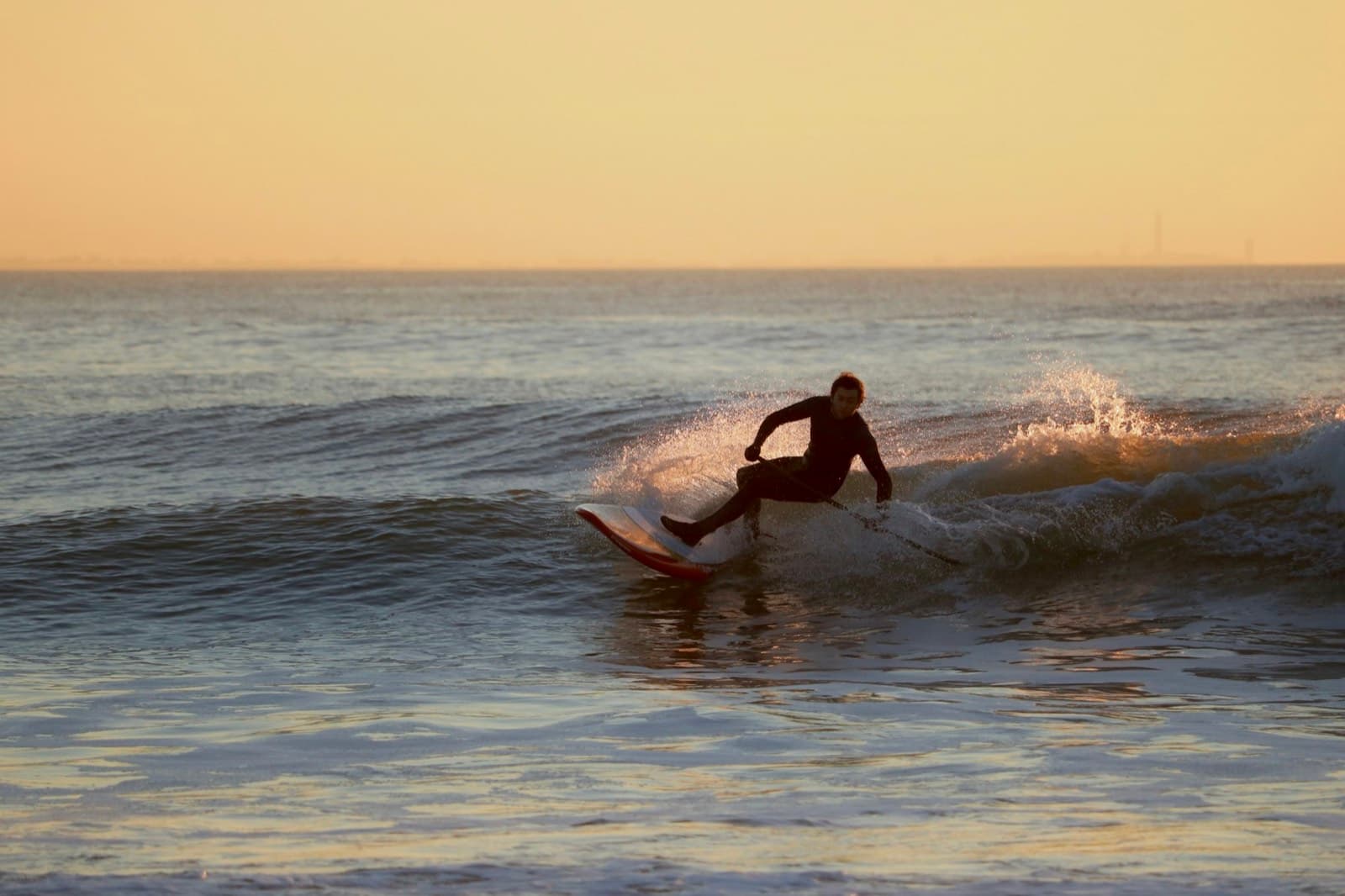
The beaches face west-south-west, so mornings give the cleanest light, with the sun behind you or over your left shoulder; by late afternoon it sits over the sea and the line-up turns backlit, which suits sunset silhouettes more than sharp action. In town, stand on the sand a safe distance from the groynes and shoot the peaks that form beside them: they break close enough that 200–500 mm on full frame fills the frame, and a 70–200 mm handles the inside and lessons.
The seafront promenade in town gives a slightly higher view for picking the best bank. At Fonte da Telha, a wider lens can use the Arriba Fóssil cliffs and dunes as a backdrop for longboarders and learners. Shooting from the water is straightforward on small, sandy days, but stay well clear of the rips and rocks along the groynes. When the Caparica Surf Fest runs at Paraíso, the beach fills with spectators, so arrive early.
Getting there
Costa da Caparica is about 15 km from central Lisbon: drive across the 25 de Abril bridge and follow the signs, roughly 20–30 minutes without traffic, although summer weekends bring heavy queues. Carris Metropolitana buses run from Lisbon, and from Cacilhas, reached by ferry from Cais do Sodré, to the town and to Fonte da Telha. There is parking along the beaches, and the town has surf schools, board rental, bars, restaurants, accommodation and lifeguards in the bathing season.
Surfing or shooting here?
Surfing in Costa da Caparica?
Post your surf plan with your dates. Photographers in the area can see it and offer to shoot your session.
Shooting in Costa da Caparica?
Share your photos with the beach tagged. Surfers looking at Costa da Caparica find your work and can message you.
Nearby spots
 CarcavelosCascais line, Lisbon · PortugalBeginner, Intermediate, Advanced · Beach break
 São Pedro do EstorilCascais line, Cascais · PortugalIntermediate · Point break, Reef break
 Praia do GuinchoCascais, Sintra-Cascais Natural Park · PortugalIntermediate, Advanced · Beach break
 Foz do LizandroEriceira, Mafra · PortugalBeginner, Intermediate · Beach break, River mouth
Frequently asked questions
When is the best time to surf Costa da Caparica?
Spring and autumn usually give the best balance: regular swells from south-west to north-west, lighter winds and water that is not too cold. Winter brings more size but also storms and onshore days, while summer is small and best for beginners. Check the wind as much as the swell, since it decides which end of the strip is cleanest.
Is Costa da Caparica good for beginners?
Yes, it is one of the best places near Lisbon to learn. São João and the southern beaches, including Fonte da Telha, have plenty of open sand and softer waves, and many surf schools work along the strip. Avoid learning right next to the groynes, where rips and rocks make things harder, and stick to summer or small days.
Where can you photograph surfing in Costa da Caparica?
From the sand beside the town groynes, where the peaks break close enough for a 200–500 mm lens; from the seafront promenade for an overview; or at Fonte da Telha with the fossil cliffs behind. Mornings give the best front and side light on these west-south-west facing beaches, while evenings are backlit.
Is Fonte da Telha good for surfing?
Yes, especially for learners and longboarders. At the southern end of the strip, beneath the Arriba Fóssil cliffs, Fonte da Telha has several sandbanks and usually smaller, softer waves than the town beaches, so locals head there when central Caparica is too big or wild. It has beach bars, restaurants, parking and lifeguards in the bathing season.
How can I get photos of my surf session in Costa da Caparica?
Post your surf plan on Makai with the dates you will be here, so photographers in the area can offer to shoot you, or browse surf photographers and message one before your session. Agree on what you will get before you paddle out.
Updated September 2026