Cascais, Sintra-Cascais Natural Park · Portugal
Surfing Praia do Guincho
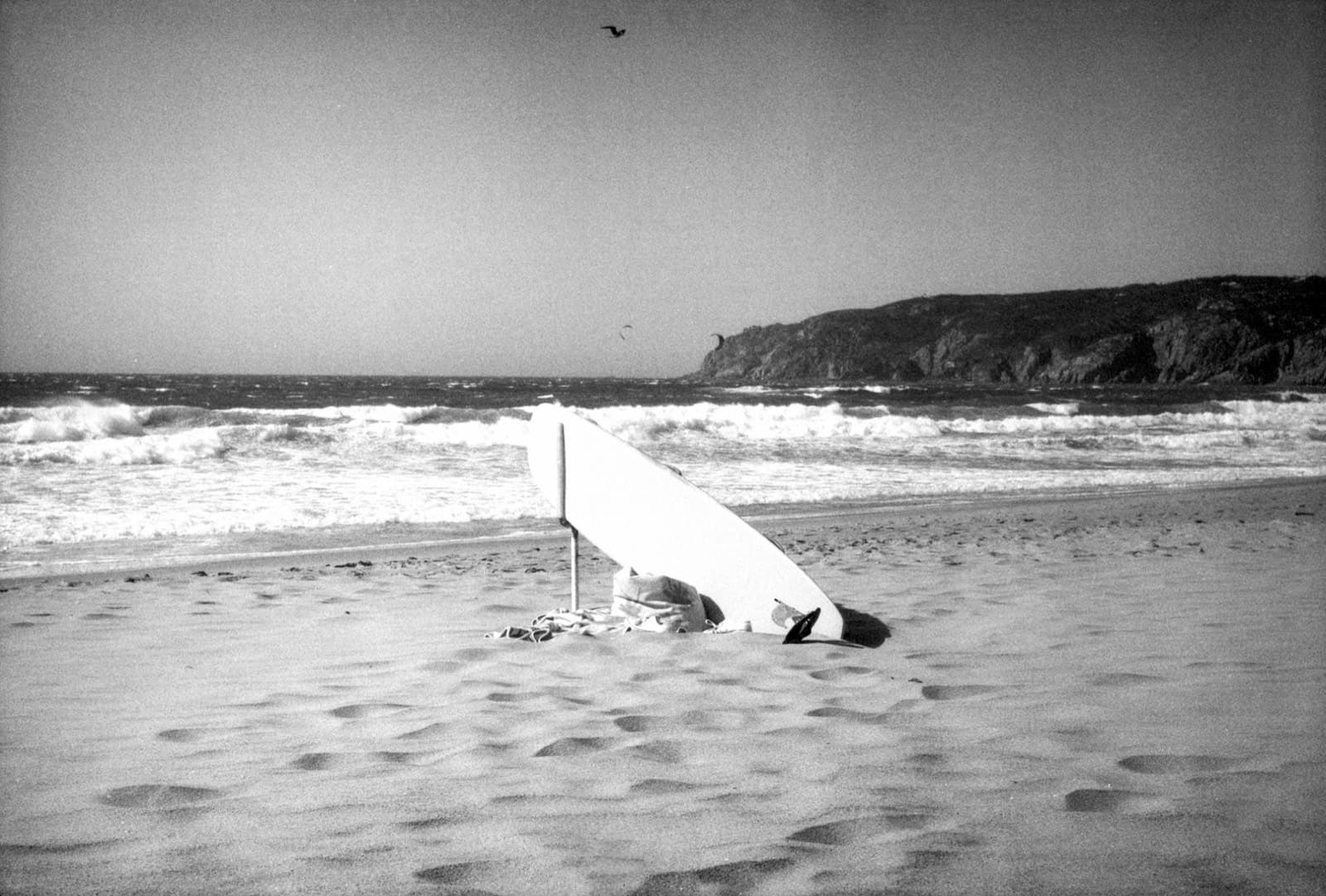
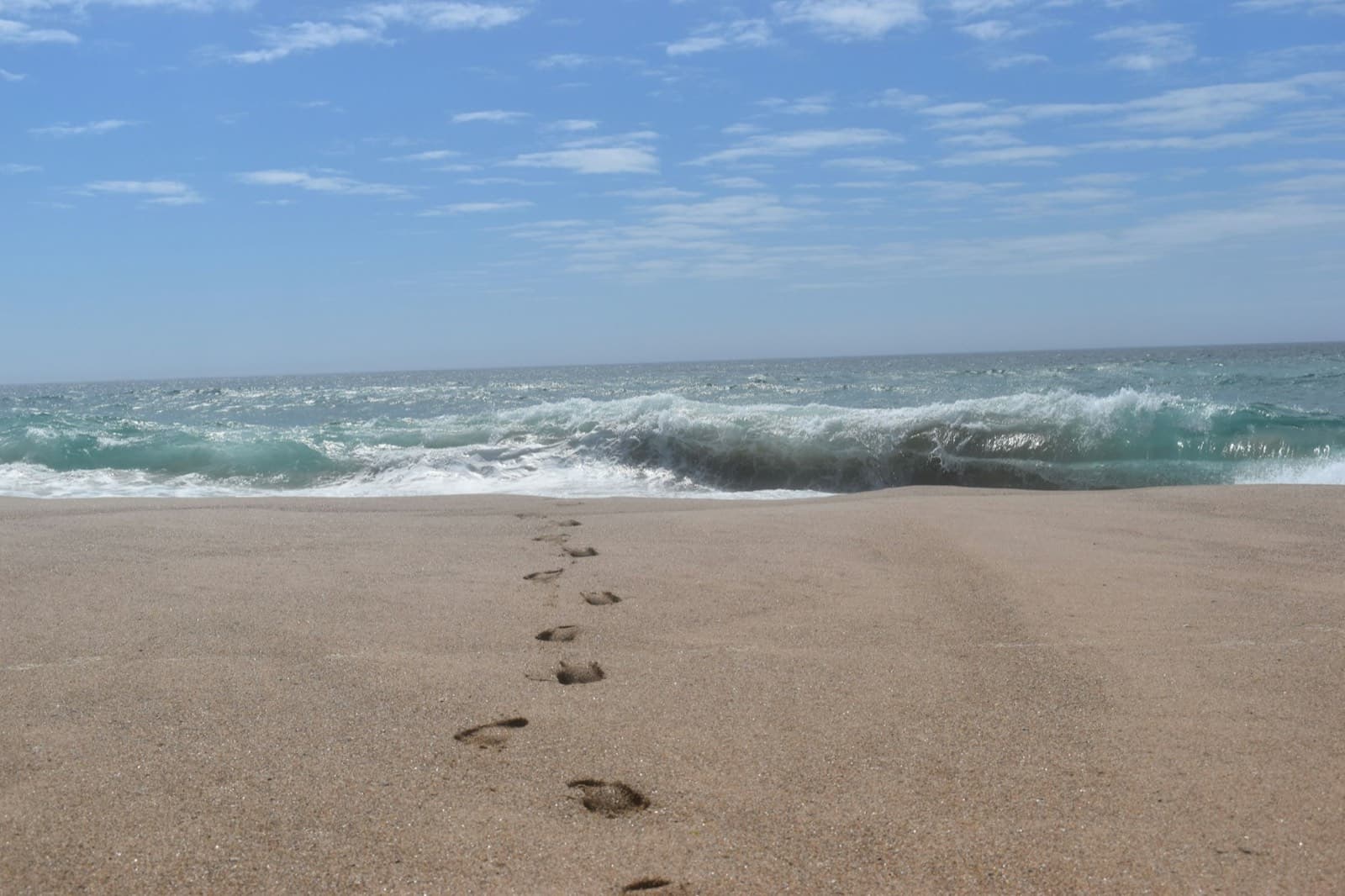
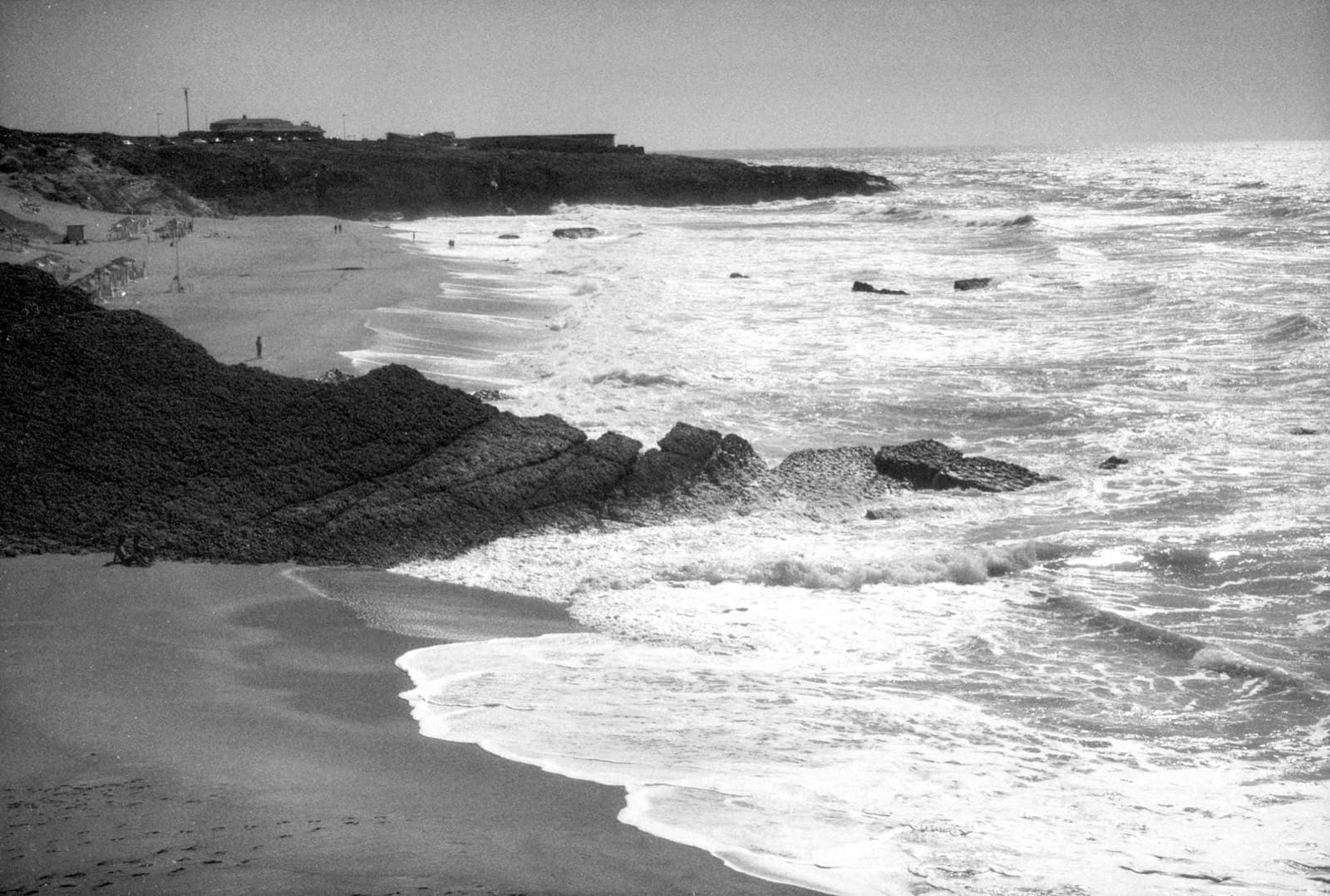
Praia do Guincho is the wild, west-facing beach 5 km north-west of Cascais, set among dunes inside the Sintra-Cascais Natural Park with the Sintra hills behind. It picks up plenty of swell and rarely goes flat, but it also catches more wind than most beaches near Lisbon, which is why windsurfers and kitesurfers love it. For surfers the rule is simple: go when the wind is from the east, or go early.
At a glance
- Wave
- Beach break · Lefts and rights
- Bottom
- Sand and rock
- Level
- Intermediate, Advanced
- Best swell
- SW, W, WNW, NW
- Best wind
- E, ESE, SE
- Tide
- Low to mid tide
- Best months
- Oct–Mar
- Water
- 14–19 °C · 4/3 mm → 3/2 mm
- Crowd
- Busy at peak times
The surf at Praia do Guincho
Guincho is an open beach break of about 800 m, mostly sand but with rocks in the middle of the beach. There is usually a good left at the south end and an A-frame toward the middle, with rides of up to about 150 m when the banks line up. It takes swell from south-west to north-west, with west-north-west the classic direction, and is usually at its best up to about 2.5 m; bigger than that it gets heavy and hard to paddle out. Offshore winds blow from the east and south-east and are most common in winter.
From June to August a strong north wind usually blows the waves out by late morning, so an early glassy window is often all you get. Low to mid tide is normally best, though the sandbanks decide. The beach is known for strong currents and a powerful shorebreak, so it suits confident intermediates and above; beginners should only go in with a surf school on small, calm days. Good days draw surfers from all over Lisbon, and weekends get busy.
Photographing surf at Praia do Guincho
Guincho faces west, so morning light comes from behind you and over the dunes, lighting surfers square on. From mid-afternoon the sun moves over the Atlantic and the beach turns backlit, which is great for silhouettes and spray at sunset with Cabo da Roca to the north. Most peaks break well out from the sand, so a 300–600 mm lens on full frame is the tool for action, while 70–200 mm covers the shorebreak and the kites and windsurfers that come in close.
Shoot from the sand in front of whichever peak is working, or from the south end, where the left breaks and the rocks add foreground. Wind is the main enemy of your gear: on a north-wind day blowing sand gets everywhere, so change lenses in the car and use a hood and a protective filter. Shooting from the water is for experienced swimmers only, because of the currents and heavy shorebreak. Keep off the protected dunes and use the marked paths.
Getting there
Guincho lies 5 km north-west of Cascais on the N247 coast road and about 35 km from Lisbon, roughly 40 minutes by car via the A5 and Cascais. A bus runs from Cascais, which has trains from Lisbon's Cais do Sodré. The main car park is at the north end and charges in summer; the south end has free parking. There are restaurants, surf schools and board rental near the beach and lifeguards in the bathing season, but swimming is risky because of the currents.
Surfing or shooting here?
Surfing at Praia do Guincho?
Post your surf plan with your dates. Photographers in the area can see it and offer to shoot your session.
Shooting at Praia do Guincho?
Share your photos with the beach tagged. Surfers looking at Praia do Guincho find your work and can message you.
Nearby spots
 São Pedro do EstorilCascais line, Cascais · PortugalIntermediate · Point break, Reef break
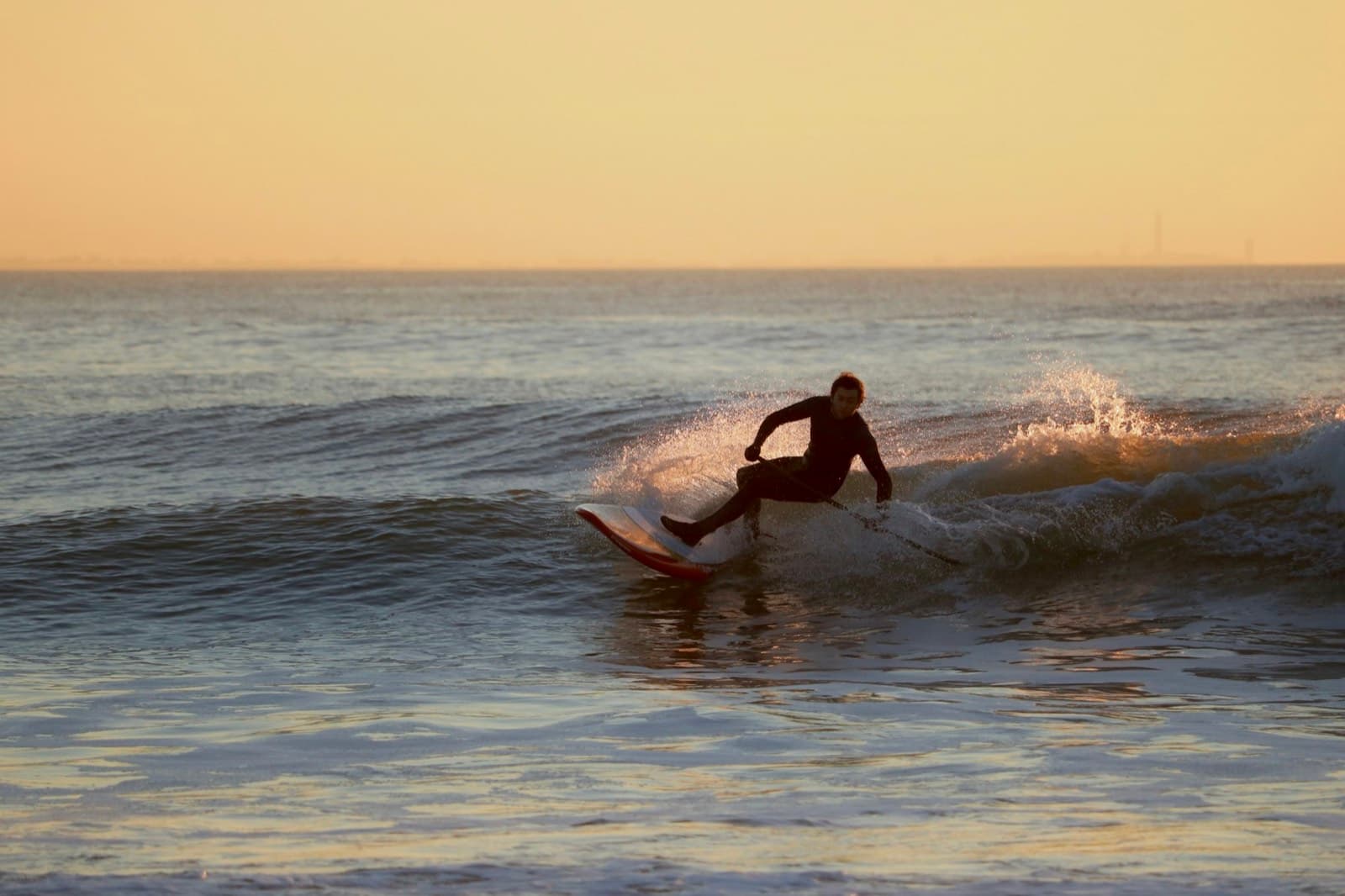 CarcavelosCascais line, Lisbon · PortugalBeginner, Intermediate, Advanced · Beach break
 Costa da CaparicaAlmada, south of Lisbon · PortugalBeginner, Intermediate, Advanced · Beach break, Jetty
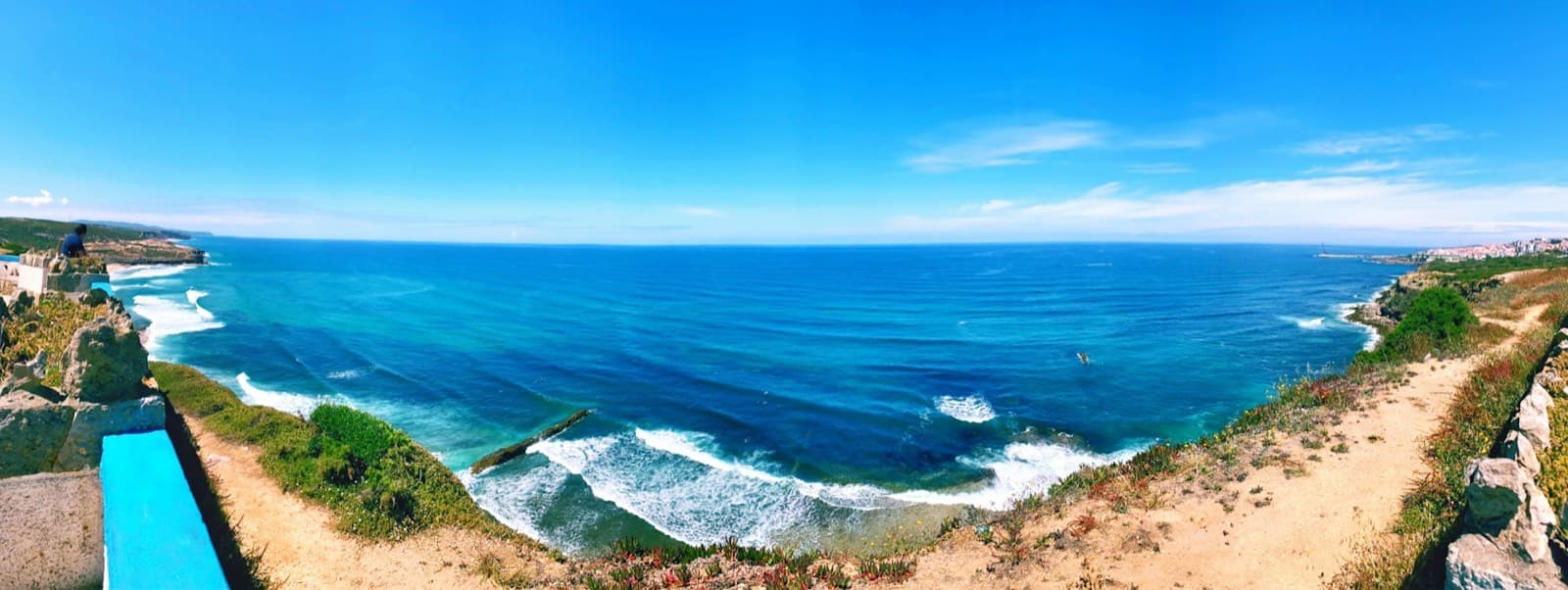 Foz do LizandroEriceira, Mafra · PortugalBeginner, Intermediate · Beach break, River mouth
Frequently asked questions
When is the best time to surf Guincho?
Autumn and winter, roughly October to March, when Atlantic swells are more consistent and easterly offshore winds are most common. On any day, go early, before the wind turns. Summer usually brings small north-west swells and a strong north wind that blows the surf out by late morning, which suits kitesurfers far more than surfers.
Is Guincho good for beginners?
Only on small, calm days and with a surf school. Guincho has strong currents, a powerful shorebreak, rocks in the middle of the beach and fast-changing wind, so it is not a place to learn on your own. If you are still learning, Carcavelos in summer or the southern beaches of Costa da Caparica are easier.
Where can you photograph surfing at Guincho?
From the sand in front of whichever peak is working, or from the south end of the beach, where the left breaks. Morning light is behind you on this west-facing beach, and late afternoon is backlit with the sun setting over the sea. Bring 300–600 mm for surfers out the back and protect your gear from blowing sand.
Is Guincho too windy to surf?
Often, especially in summer, when the north wind blows hard for much of the day and turns Guincho into a windsurf and kitesurf beach. Check the wind forecast as closely as the swell, surf at dawn before it builds, or come from autumn to spring, when easterly offshore winds are more frequent. The upside of the exposure is that Guincho is rarely flat.
How can I get photos of my surf session at Praia do Guincho?
Post your surf plan on Makai with the dates you will be here, so photographers in the area can offer to shoot you, or browse surf photographers and message one before your session. Agree on what you will get before you paddle out.
Updated September 2026