Nazaré, Oeste · Portugal
Surfing Praia do Norte, Nazaré
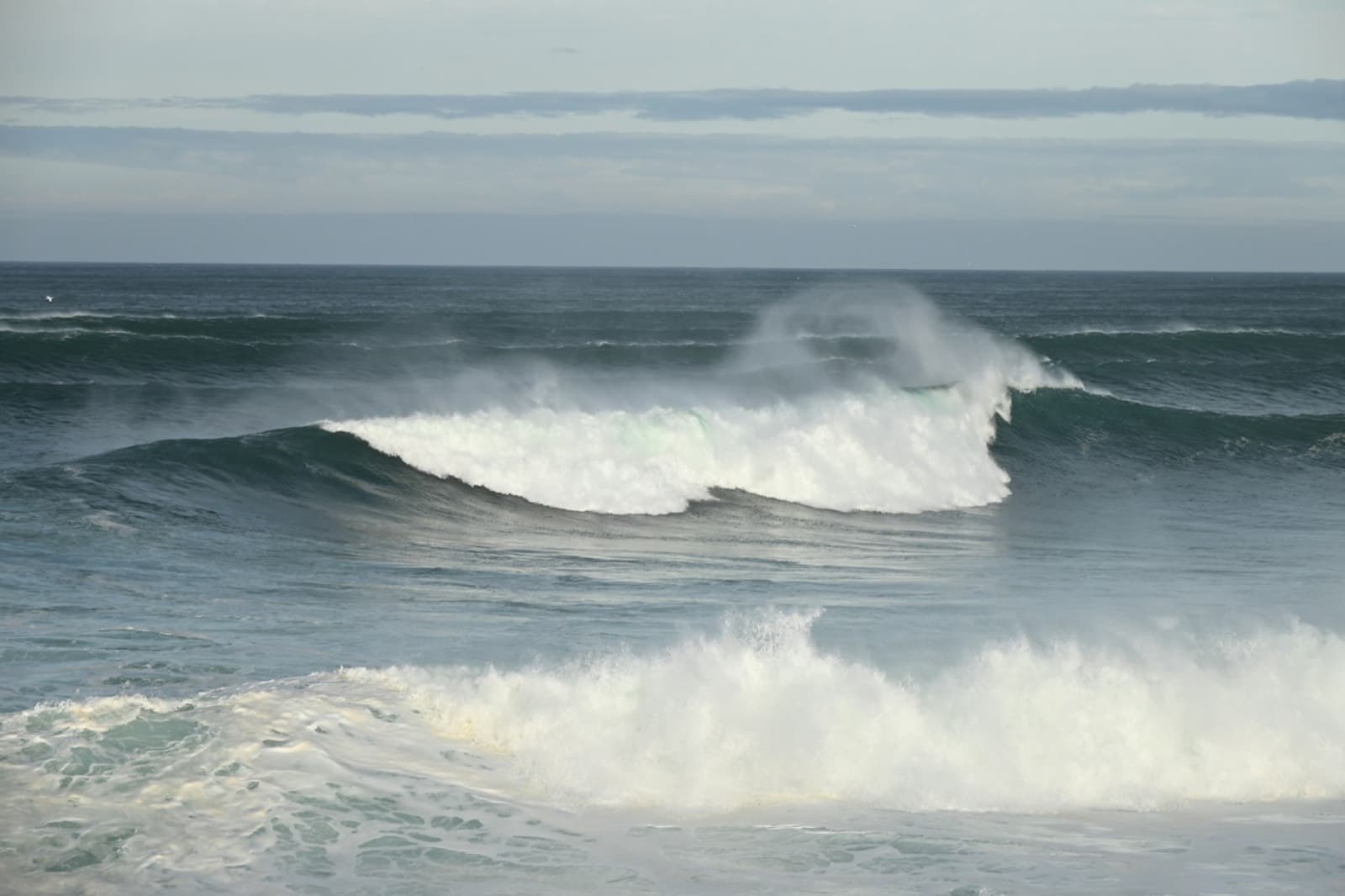
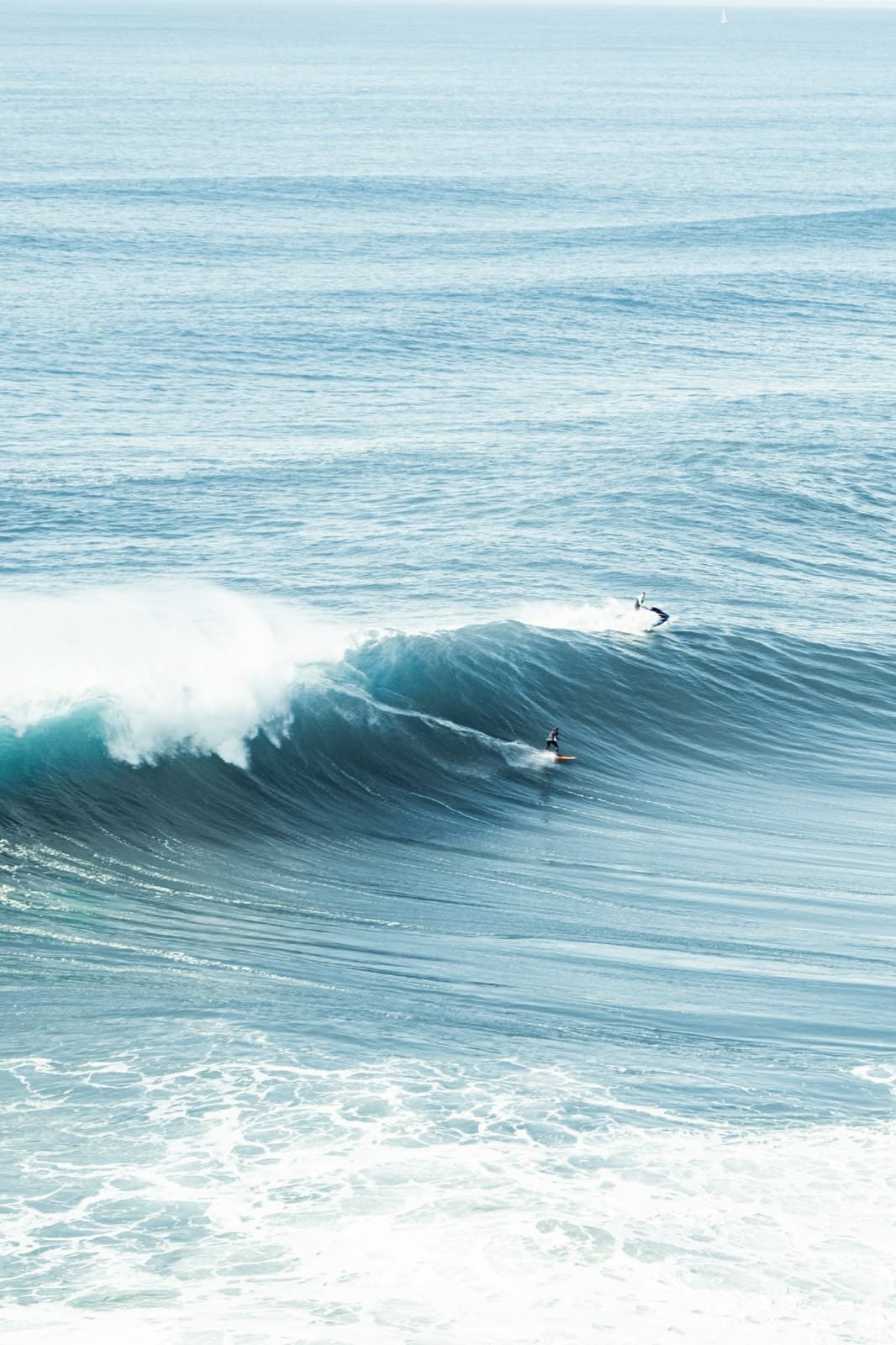
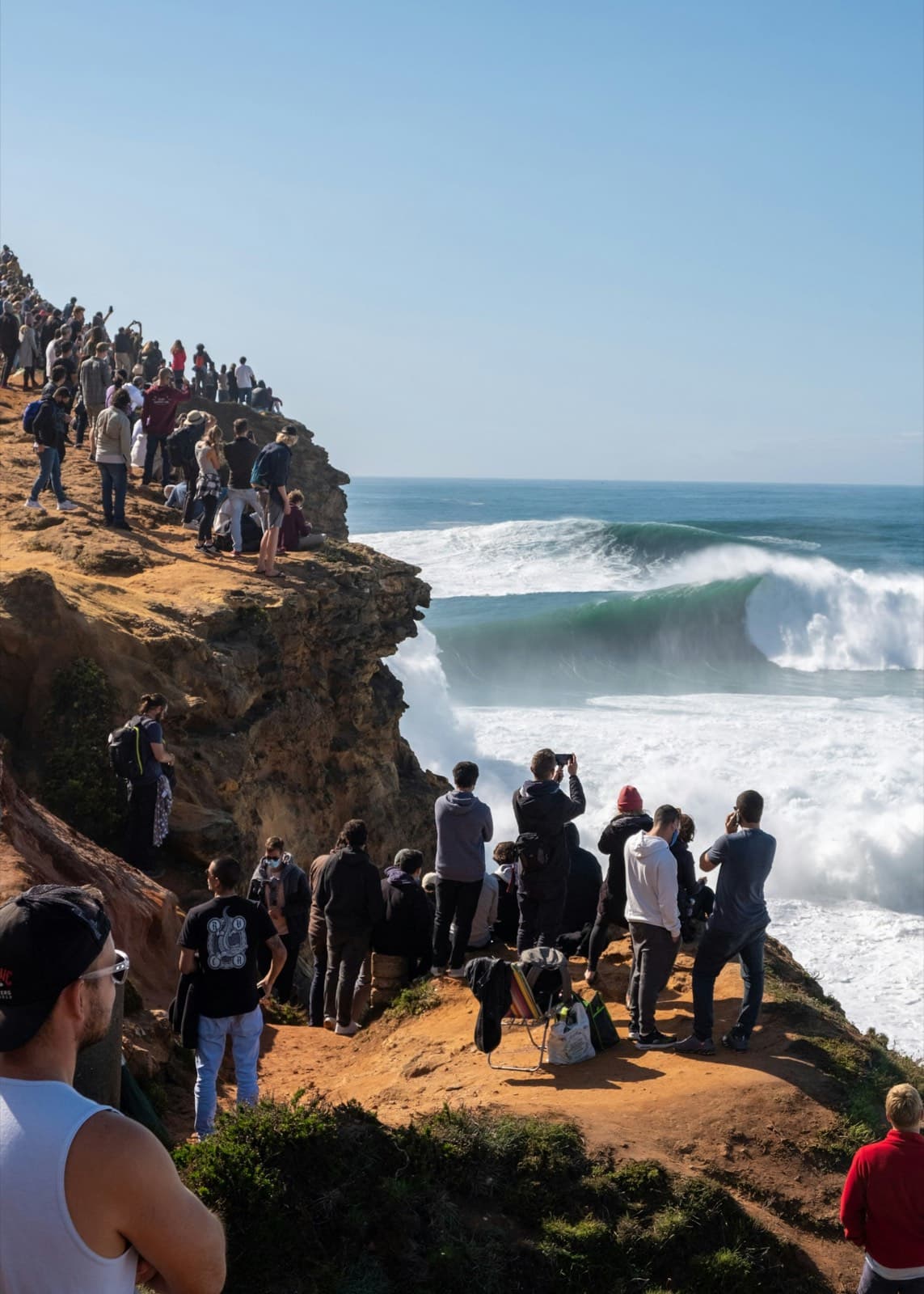
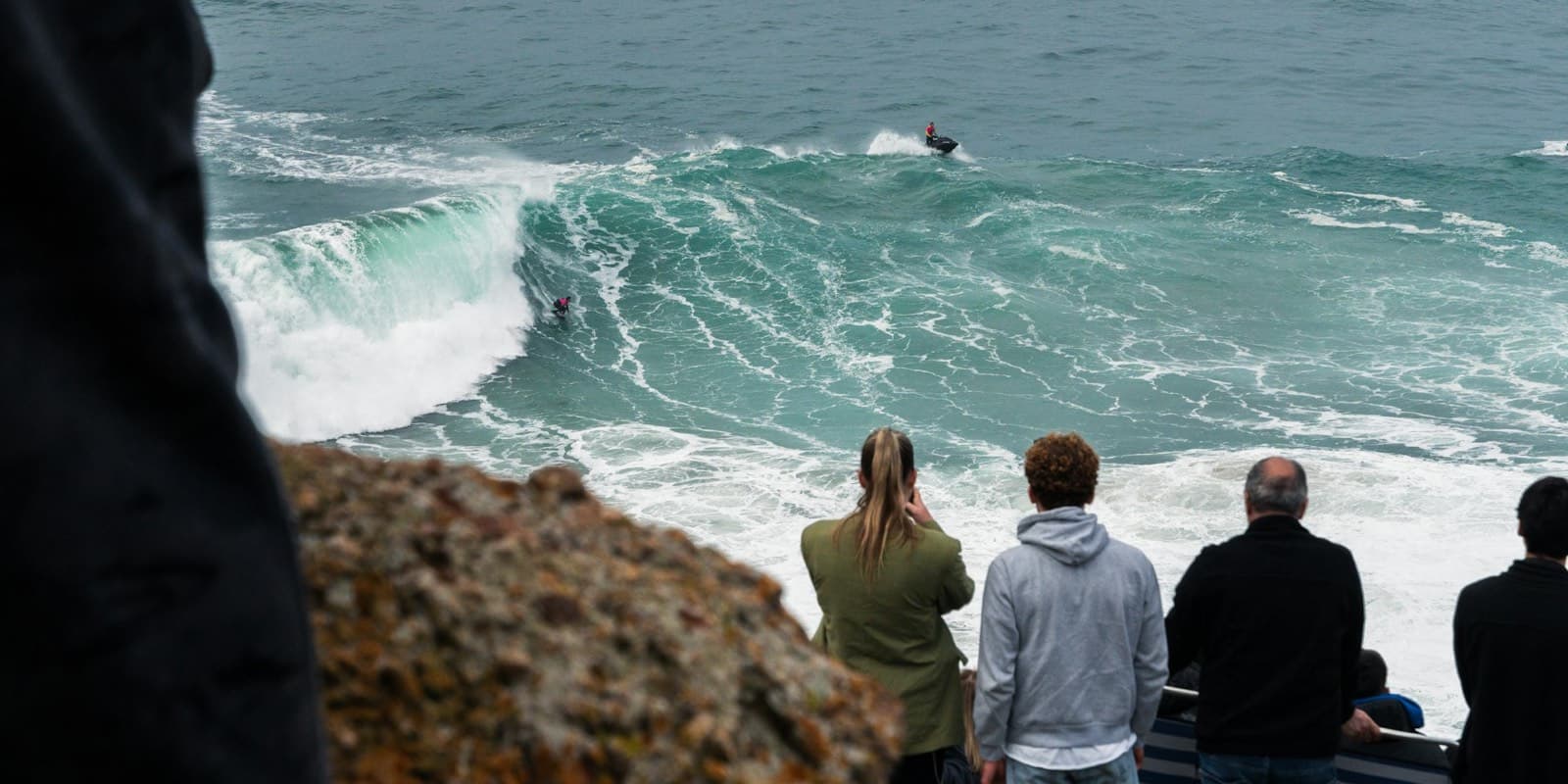
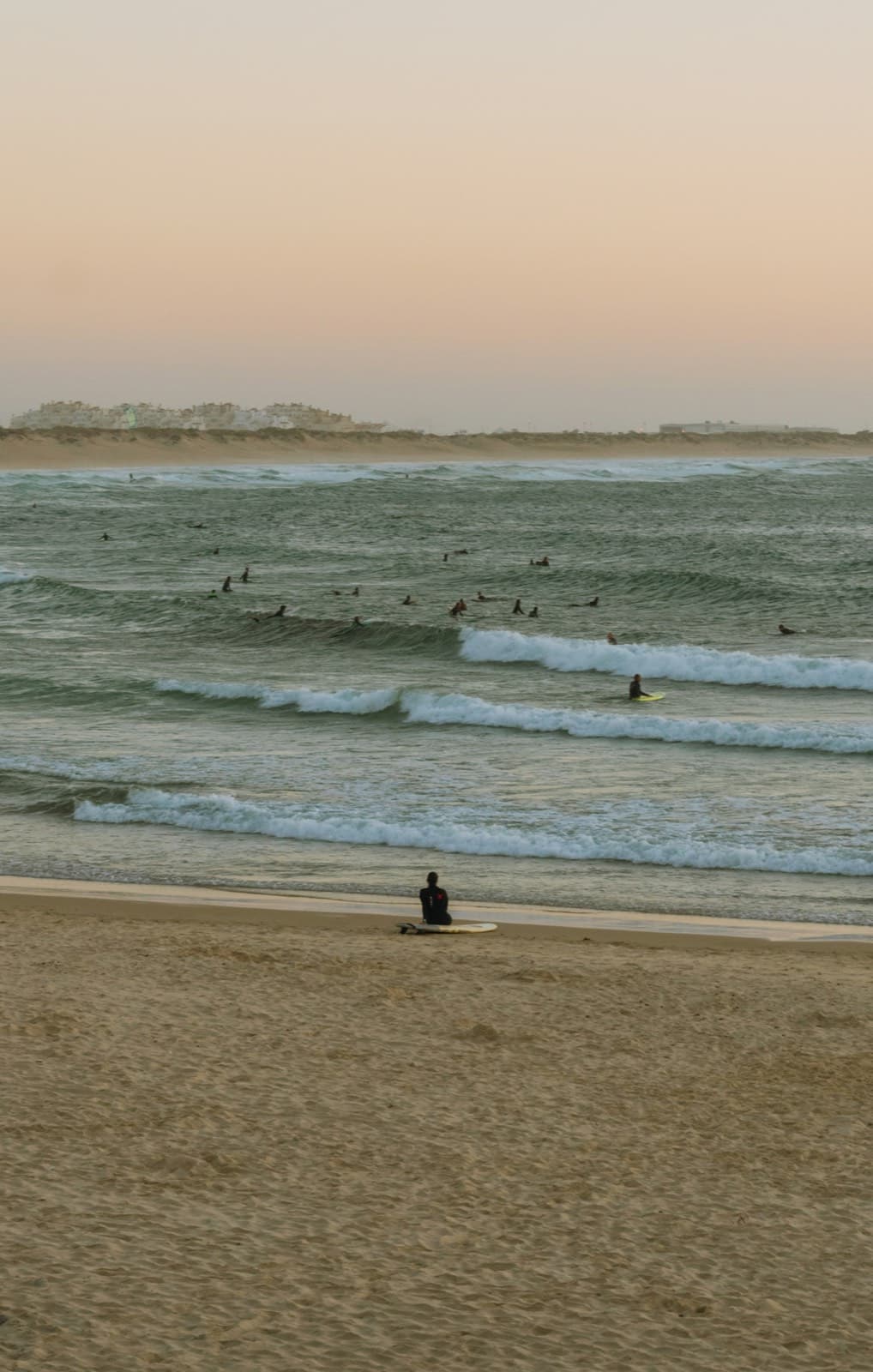
Praia do Norte, the long beach north of Nazaré's headland, is where the biggest waves ever ridden have broken. An underwater canyon focuses Atlantic swell onto a peak beside the Forte de São Miguel Arcanjo lighthouse, so a stormy winter day here dwarfs the rest of the coast. The one thing to know: giant days are for tow-in teams with jet-ski rescue, and even a normal day is heavy, current-ridden water for experienced surfers only.
At a glance
- Wave
- Beach break · Lefts and rights
- Bottom
- Sand
- Level
- Advanced, Expert
- Best swell
- W, WNW, NW
- Best wind
- NE, ENE, E
- Tide
- Mid tide
- Best months
- Oct–Mar
- Water
- 14–19 °C · 4/3 mm → 3/2 mm
- Crowd
- Usually quiet
The surf in Nazaré
The Nazaré Canyon, about 230 km long and up to roughly 5,000 m deep, reaches almost to the shore, so swell arrives with little loss of energy and stacks into thick A-frames over a shifting sandbar just north of the fort. Long-period west to north-west groundswell (16–20 s) with light east or north-east wind makes the famous days, most likely from November to February within an October–March season. Garrett McNamara's 23.8 m ride in 2011 put the wave on the map, and Sebastian Steudtner's 26.21 m wave in 2020 was certified by Guinness as a world record.
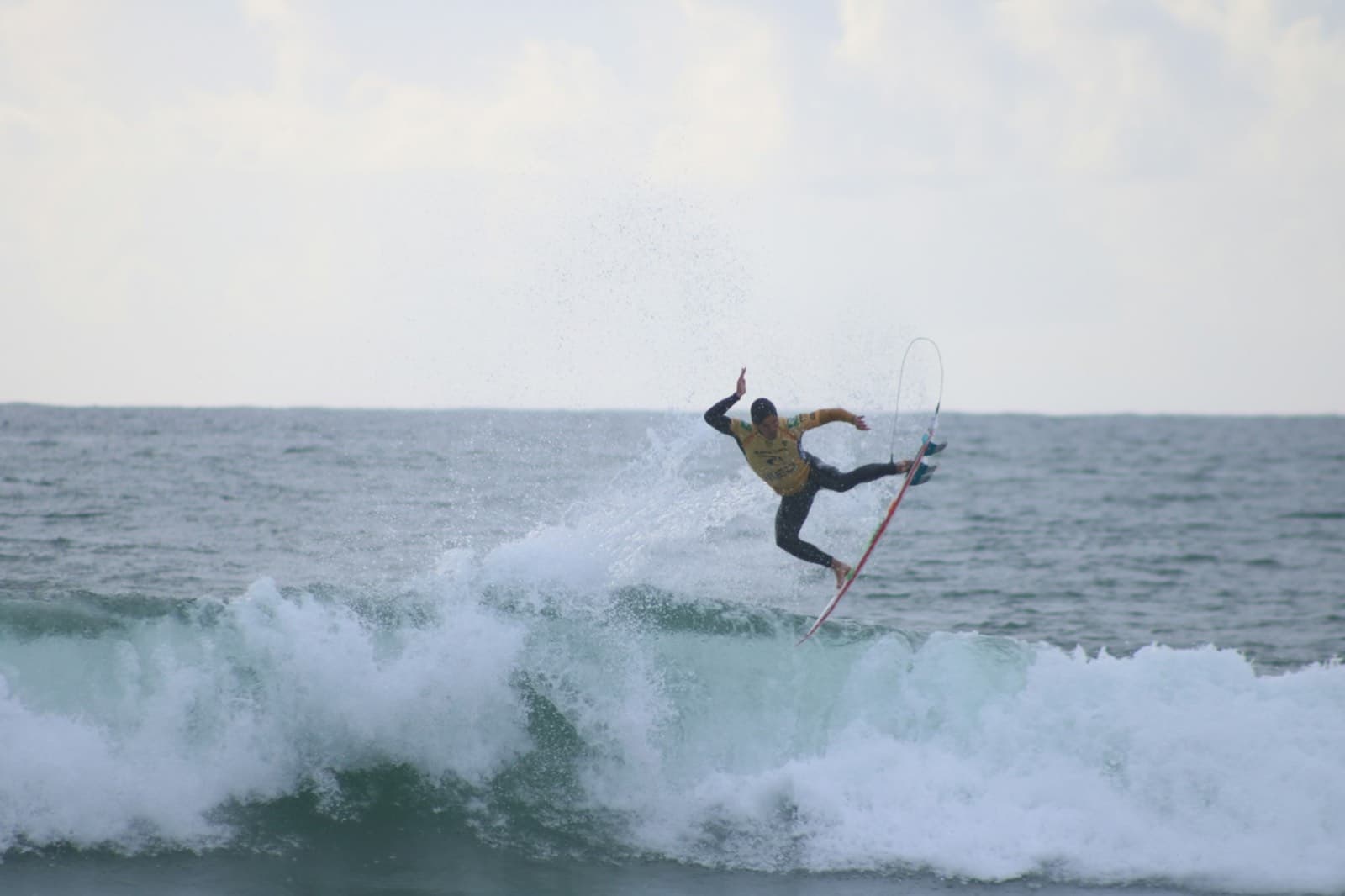
Those days are strictly tow-in: surfer, ski driver and water-safety crew working as a team. Outside the giant swells, Praia do Norte is still a powerful beach break, often 1–3 m (4–10 ft) of fast, hollow peaks, with strong rips linked to the canyon and a pounding shorebreak. Tide matters less than swell size and period; mid tide is the stage most often quoted. Summer brings smaller, cleaner days, but it stays a wave for advanced surfers who know heavy beach breaks, and swimming is discouraged here all year. Learners belong on the town beach south of the headland, and only on small days.
Photographing surf in Nazaré
The Forte de São Miguel Arcanjo, with its lighthouse, sits on the headland at the south end of the beach and looks straight down onto the main peak. From its terraces a 70–200 mm frames the wave with the lighthouse and the crowd for scale, while 200–600 mm isolates the surfer on the face. The beach faces roughly west-north-west, so morning sun comes over your left shoulder from the south-east and lights the wave faces; by late afternoon the sun sits behind the waves, turning spray into glowing backlight and faces into shadow.
Mornings also tend to bring lighter wind. From the Sítio clifftops behind the fort, a long lens puts the lighthouse in the foreground; from the dunes at the north end, looking south, the wave stacks in front of the fort. Stay behind barriers and far above the waterline, because surges run a long way up the sand on big days. On giant days water angles come only from safety skis; on moderate days, shooting from the water is for photographers with real heavy-water experience.
Getting there
Nazaré is about 120 km north of Lisbon, roughly 1 h 30 min by car on the A8, and express buses run from the capital. From the town beach the funicular climbs to the Sítio, and the fort is about 1 km on foot from there down a steep road and path that gets slippery, so wear grippy shoes. There is parking near the fort and behind Praia do Norte, but on big-swell days it fills early and access roads can be restricted: arrive before 9–10 am or walk from the Sítio. Restaurants and accommodation are in the Sítio and the town below.
Surfing or shooting here?
Surfing in Nazaré?
Post your surf plan with your dates. Photographers in the area can see it and offer to shoot your session.
Shooting in Nazaré?
Share your photos with the beach tagged. Surfers looking at Nazaré find your work and can message you.
Nearby spots
 BalealPeniche, Oeste · PortugalBeginner, Intermediate · Beach break
 PenichePeniche, Oeste · PortugalBeginner, Intermediate, Advanced, Expert · Beach break, Reef break, Point break, Jetty
- SupertubosPeniche, Oeste · PortugalAdvanced, Expert · Beach break
 Figueira da FozFigueira da Foz, Centro · PortugalBeginner, Intermediate, Advanced · Point break, Jetty, River mouth, Beach break
Frequently asked questions
When is the best time to see big waves in Nazaré?
The giant-wave season runs from October to March, and November to February brings the best odds of the biggest days. Look for long-period west to north-west groundswell and light east winds in the forecast. For everyday surfing, late spring to early autumn is calmer, with warmer water and fewer storms, although Praia do Norte stays powerful all year.
Is Nazaré good for beginners?
Praia do Norte is not. Even small days bring a heavy shorebreak and strong currents linked to the canyon, and swimming is discouraged there all year. Learners should use the town beach south of the headland, where surf schools teach on small, clean days, and leave Praia do Norte to advanced surfers and, on big days, to tow-in teams.
Where can you photograph the big waves at Nazaré?
The terraces around the Forte de São Miguel Arcanjo, the lighthouse fort on the headland, give the closest and most dramatic view of the main peak. Bring 70–600 mm, arrive early on swell days and stay behind the barriers. The Sítio clifftops and the dunes at the north end of the beach give alternative angles.
Why are the waves so big in Nazaré?
The Nazaré Canyon, an underwater gorge about 230 km long and up to roughly 5,000 m deep, runs almost to Praia do Norte. Swell crossing its deep water keeps its energy, while swell beside it bends across the shallower shelf. Where the two meet near the headland they add together, building peaks far larger than anywhere else on the coast.
How can I get photos of my surf session in Nazaré?
Post your surf plan on Makai with the dates you will be here, so photographers in the area can offer to shoot you, or browse surf photographers and message one before your session. Agree on what you will get before you paddle out.
Updated September 2026