Surf photography in Mexico
Mexico gives surf photographers warm water, long points you can follow from the rocks and some of the heaviest beach-break barrels on the planet. For each spot: where to stand, when the light works and what lens to bring.
Where to shoot, spot by spot
The first vantage point, the best light and the lens range for each guide.
- EnsenadaCobble shore inside San Miguel pointMorning · 200–600 mm · Baja California
- Scorpion BayBluff above Second PointAfternoon · 100–400 mm · Baja California Sur
- Playa Los CerritosSand at the north end near the rocksMorning · 100–400 mm · Baja California Sur
- San PedritoBeach in front of the main peaksMorning · 100–600 mm · Baja California Sur
- Costa AzulBeach east of ZippersMorning · 100–500 mm · Los Cabos, Baja California Sur
- Nine PalmsRaised ground by the road above the pointAfternoon · 100–400 mm · East Cape, Baja California Sur
- SayulitaSand just south of the river mouthMorning · 200–500 mm · Riviera Nayarit
- San PanchoBeach north of the south-end peakMorning · 100–400 mm · Riviera Nayarit
- Punta de MitaEl Anclote beach, east of the peakMorning · 100–500 mm · Riviera Nayarit
- La LanchaSand east of the main peakMorning · 100–400 mm · Riviera Nayarit
- Punta BurrosSand east of the pointMorning · 200–500 mm · Riviera Nayarit
- El AncloteSand east of the peakMorning · 100–400 mm · Riviera Nayarit
- Boca de PascualesSand opposite the main peaks near the river mouthMorning · 200–600 mm · Tecomán, Colima
- La TiclaBeach down the point, looking back at the waveMorning · 200–600 mm · Costa de Michoacán
- NexpaBeach north-west of the rivermouth, looking down the lineMorning · 300–600 mm · Costa de Michoacán
- La SaladitaBeach north of the point, looking back down the lineMorning · 200–600 mm · Costa Grande, Guerrero
- TronconesBeach inside Manzanillo Bay, facing the pointMorning · 100–600 mm · Costa Grande, Guerrero
- Pie de la CuestaBeach in front of the village, level with the sandbarsMorning · 70–400 mm · Acapulco, Guerrero
- Puerto EscondidoSand in front of Zicatela's main peakMorning · 70–600 mm · Oaxaca
- ZicatelaSand in front of the main peaksMorning · 300–600 mm · Oaxaca
- La PuntaBeach just north of the pointMorning · 200–500 mm · Oaxaca
- CarrizalilloStaircase above the coveMorning · 70–300 mm · Oaxaca
- ChacahuaBeach down the line, east of the peaksMorning · 200–500 mm · Lagunas de Chacahua, Oaxaca
- San AgustinilloSand in front of the main peaksMorning · 100–400 mm · Mazunte and Zipolite coast, Oaxaca
- Barra de la CruzBeach down the line, looking back to the pointAfternoon · 300–600 mm · Huatulco coast, Oaxaca
- Salina CruzBeach down the line from each pointMorning · 200–600 mm · Isthmus of Tehuantepec, Oaxaca
Light on the Mexican Pacific
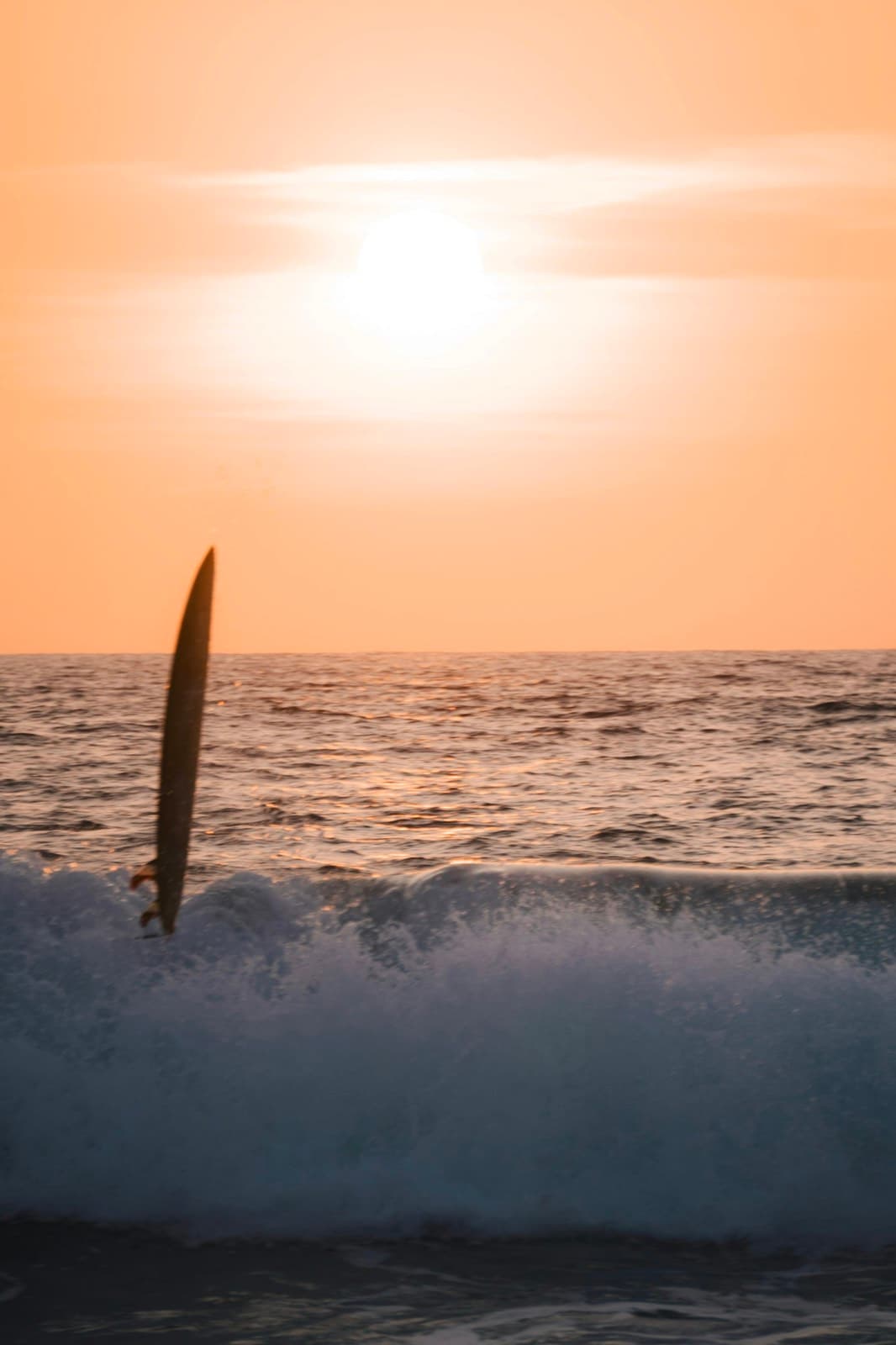
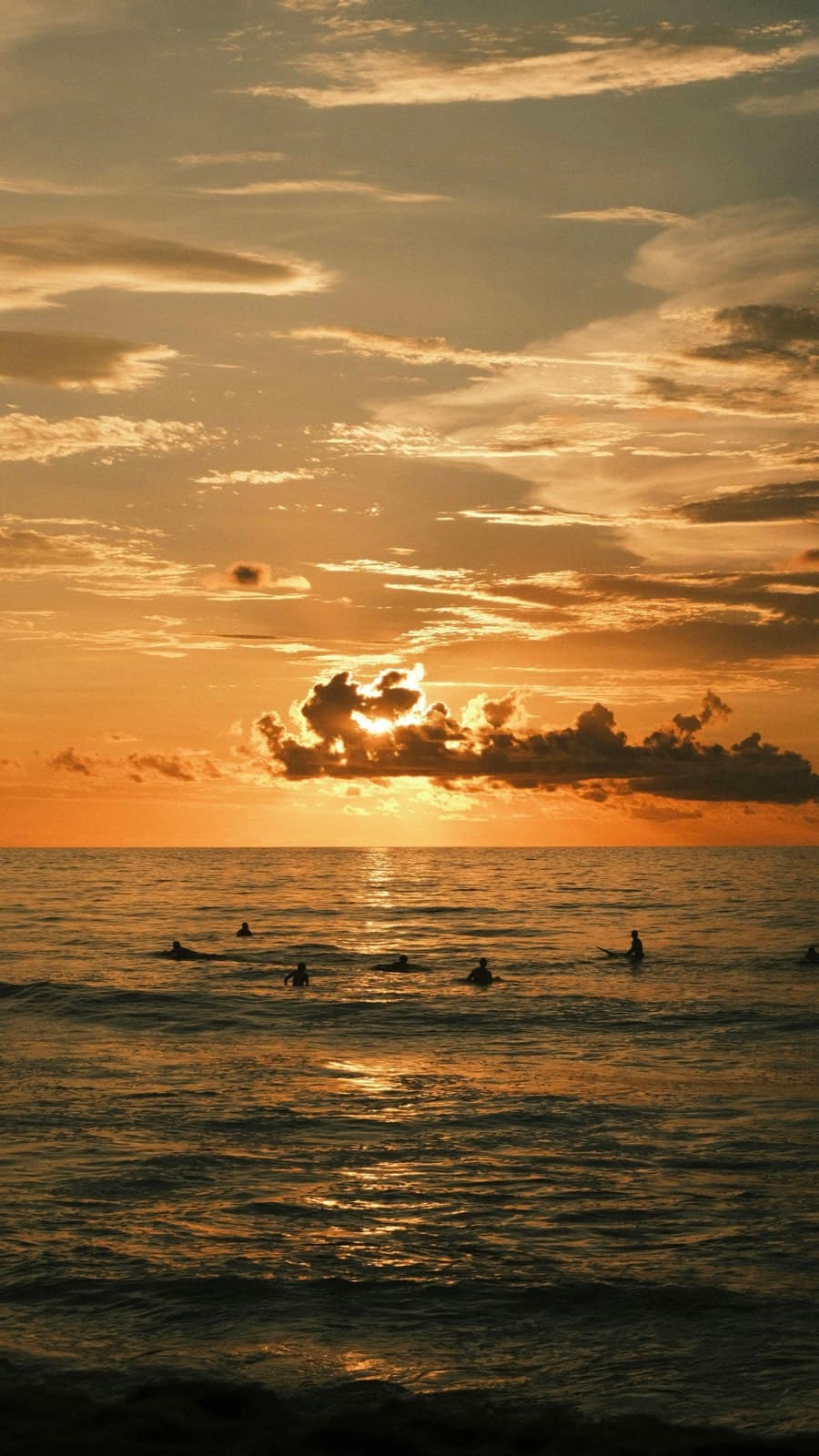
The coast faces west and south-west. Mornings put the sun behind you on most spots, with the cleanest water and softer light; sunset from the beach gives backlit spray. At midday the high tropical sun flattens the wave, so use it for scouting.
Lenses and water
Points and beach breaks shot from the sand usually need 100–600 mm. In warm water a housing opens up swimming angles, but only where there is a channel: never swim out at heavy beach breaks like Zicatela or Pascuales without deep local knowledge.
Surf photography journal
- What camera do surf photographers use? Bodies, lenses and housings
- Water got into your camera or housing: what to do right now
- How to get great photos of your surf session
- How to photograph surfing from the water: a practical guide
- How to choose a surf camera housing, plus 10 options for 2026
- Camera settings for surf photography: where to start
Frequently asked questions
Where is the best place to photograph surfing in Mexico?
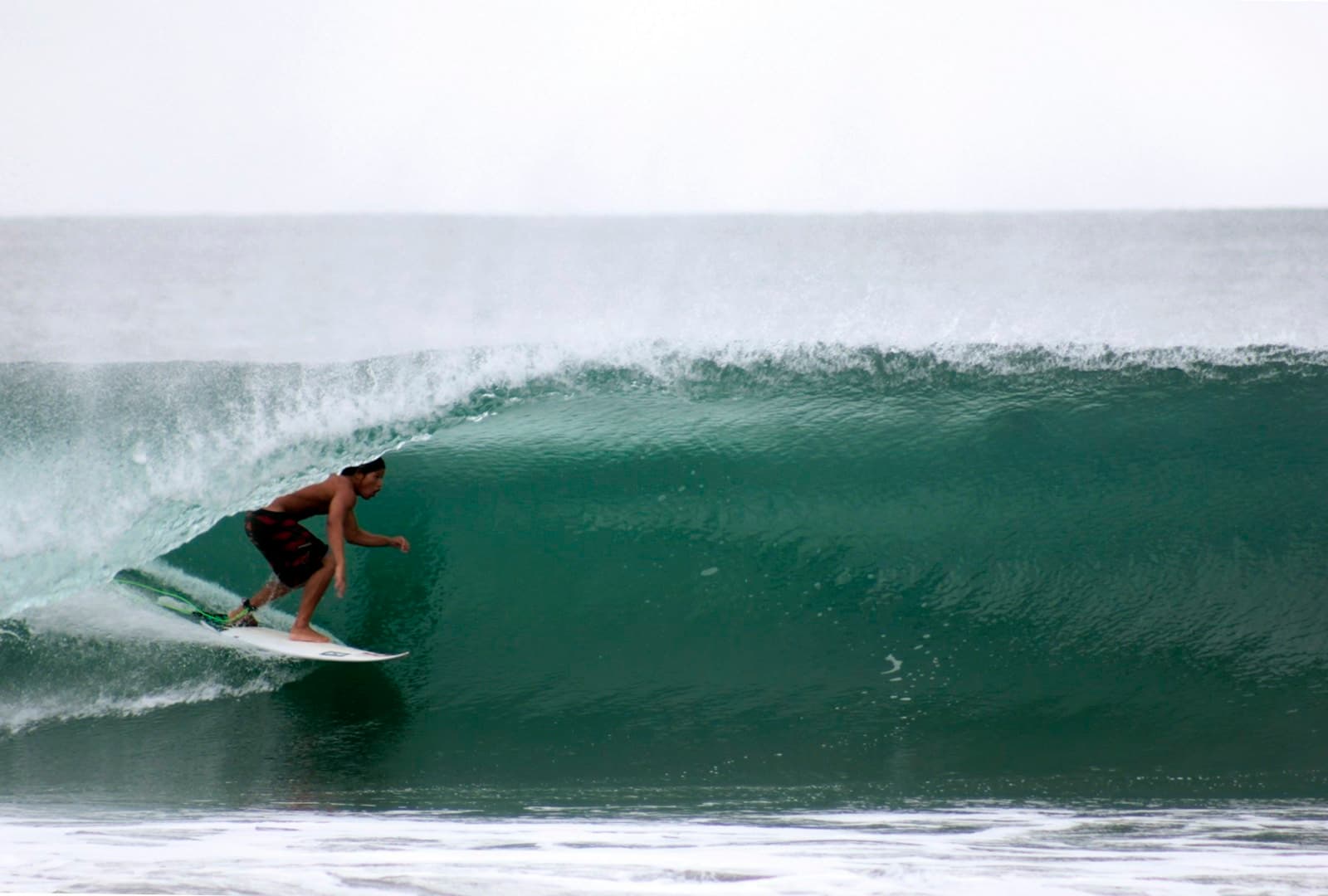
Zicatela and La Punta in Puerto Escondido for barrels and action from the beach, the long lefts of La Saladita and Nexpa for lines, the points of Punta de Mita and the right points of Baja California Sur. Each guide lists its own vantage points.
What lens do you need for surf photography in Mexico?
A 100–400 mm or 150–600 mm zoom covers most spots from land. Long points reward something longer to follow a whole ride. For water shots in warm water, a housing with a wide lens or a fisheye, only where the spot allows it.
When is the light best for surf photos in Mexico?
The first hours after sunrise, when the sun is behind you on west-facing beaches and the wind is usually lighter. The late afternoon gives backlit, golden spray. The summer south-swell season brings the most action.
How do surfers get the photos you take of them?
On Makai you post your photos with the beach tagged, so surfers looking at that beach find your work and can message you. At the beaches Makai covers, publishing a shoot also matches your previews with surfers who logged a session there at the same time.