Isthmus of Tehuantepec, Oaxaca · Mexico
Surf in Salina Cruz
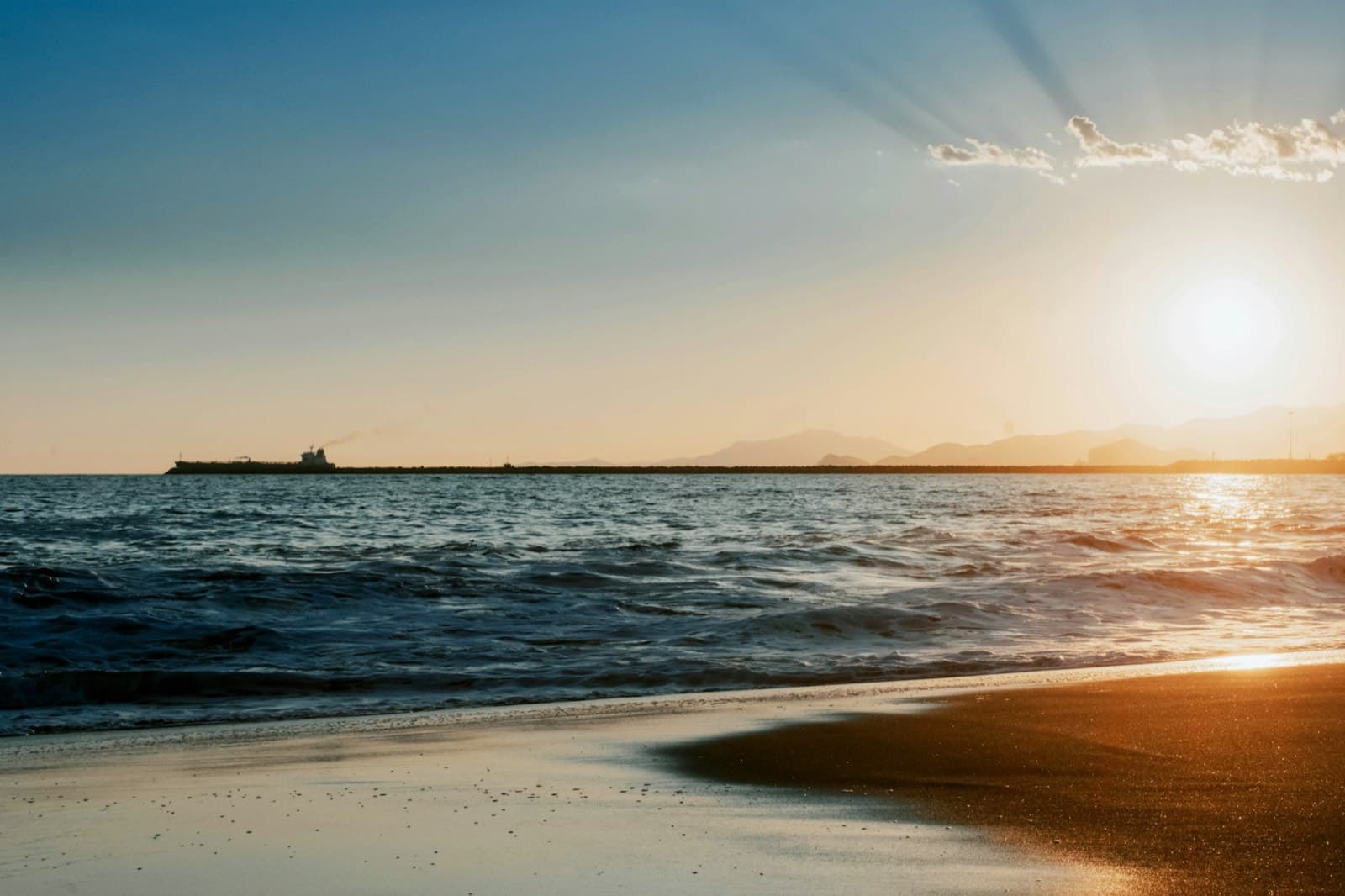
Salina Cruz is a port town on the Isthmus of Tehuantepec, at the eastern end of the Oaxacan coast, and the base for a string of sand-bottom right points. Northerly winds funnel across the isthmus and blow offshore, grooming south swells into long, fast walls. It suits intermediate to advanced surfers who want long rides, and most visitors go with a local guide or surf camp, because access is complicated.
At a glance
- Wave
- Point break, Beach break · Right
- Bottom
- Sand
- Level
- Intermediate, Advanced
- Best swell
- S, SSW, SW
- Best wind
- NNW, N, NNE
- Tide
- All tides
- Best months
- Apr–Oct
- Water
- 25–30 °C · Boardshorts and a rash vest
- Crowd
- Busy at peak times
The surf in Salina Cruz
The region's calling card is the right-hand sand point: swell wraps around a headland and peels along the beach for a long way, with rippable walls and occasional barrels. Punta Conejo, the best-known, can give rides of more than 200 m on a solid swell. The points need south to southwest groundswell and run best from about April to October, when swell is most consistent. Wind is the other half of the story. North winds are offshore here, and the gap wind known locally as the Tehuano, or Tehuantepecer, can blow very hard, especially from October to February.
Light to moderate north wind grooms the points; strong wind makes paddling and getting into waves hard work. When the points are not working, south-facing beach breaks can be an option, but they break close to shore, are hollow and powerful, and are for advanced to expert surfers only. Tide preferences differ from point to point. Crowds are lighter than in Puerto Escondido, although Punta Conejo gets busy with surf-camp groups.
Photographing surf in Salina Cruz
The coast here faces south-east and the points are rights, so the classic angle is from the beach down the line, looking back toward each point. In the morning the sun is behind you and lights the wave faces; in the afternoon you shoot toward the sun, and that is when an offshore wind throwing spray off the lips makes the region's signature backlit frames. In summer the midday light is high and harsh.
The points break close enough to shore for 200–600 mm (full-frame equivalent), depending on how far down the line you stand. Wind is the practical challenge: sand and salt spray get everywhere, so protect your gear and use a sturdy tripod or monopod. Shooting from the water is only for experienced swimmers, since an offshore wind and the currents can push you out to sea.
Getting there
Most surfers fly into Huatulco, about two hours west by road, and are collected by their surf camp. Camps and guides run trips to the points by 4x4, because many are reached on unmarked dirt tracks, sometimes across private land, and the swell and wind decide which one works each day. Accommodation ranges from surf camps near the points to hotels in town. Check current travel advisories before you go: some, including the US advisory, single out the Isthmus region that includes Salina Cruz.
Surfing or shooting here?
Surfing in Salina Cruz?
Post your surf plan with your dates. Photographers in the area can see it and offer to shoot your session.
Shooting in Salina Cruz?
Share your photos with the beach tagged. Surfers looking at Salina Cruz find your work and can message you.
Nearby spots
Frequently asked questions
When is the best time to surf Salina Cruz?
April to October brings the most consistent south swells, and most surf camps focus on these months. From October to February strong northerly gap winds become more frequent; they blow offshore but can be too strong to surf comfortably. Check both the swell and the wind forecast before you go.
Is Salina Cruz good for beginners?
Generally not. The points are long and fast, the wind can be strong and the beach breaks are hollow and powerful. The region suits intermediate to advanced surfers who are comfortable with long paddles and strong offshore wind. Beginners are better off learning in Puerto Escondido or around Mazunte first.
Where can you photograph surfing in Salina Cruz?
From the beach down the line of each point, looking back toward the takeoff, with a 200–600 mm lens. Mornings light the faces; afternoons are backlit, with offshore spray streaming off the lips. Your guide will know which point is working and where you can stand safely.
Do you need a guide to surf Salina Cruz?
It is strongly recommended. The points are spread along a remote coast reached by dirt tracks, some across private land, and the right spot changes with swell and wind. Local guides and surf camps know the access, the tides and the local rules, which saves time and avoids problems.
How can I get photos of my surf session in Salina Cruz?
Post your surf plan on Makai with the dates you will be here, so photographers in the area can offer to shoot you, or browse surf photographers and message one before your session. Agree on what you will get before you paddle out.
Updated September 2026