Oaxaca · Mexico
Surfing Zicatela, the Mexican Pipeline
Zicatela is the long beach on Puerto Escondido's south-eastern side and the reason surfers call this place the Mexican Pipeline. Deep water runs close to shore, so southern-hemisphere swells hit the sandbars with little warning and pitch into thick, fast barrels. On normal days it suits advanced surfers; when it is big, it belongs to experts with safety support. Most waves close out, so study the rips and the sets before you paddle out.
At a glance
- Wave
- Beach break · Lefts and rights
- Bottom
- Sand
- Level
- Advanced, Expert
- Best swell
- S, SSW, SW
- Best wind
- NNE, NE, ENE
- Tide
- Mid to high tide
- Best months
- Apr–Oct
- Water
- 26–30 °C · Boardshorts and a rash vest
- Crowd
- Crowded
The surf at Zicatela
Zicatela is a sand-bottom beach break of lefts and rights spread along roughly 3 km of beach, and the waves gain size and power as you move up the beach from La Punta. Straight south swells make it peaky; southwest swells tend to produce longer rights. It needs a solid groundswell to break properly and holds far more than most beach breaks: in summer it is seldom smaller than head high, and major swells produce faces of 6 m (20 ft) and more.
The season runs from about April to October, usually peaking from June to August. Several guides favour mid to high tide. Surf at dawn, because a light north-east offshore usually gives way to an onshore sea breeze by about 10–11 am. On an average day most waves close out, so wave selection is everything. Expect strong rips, heavy hold-downs, a shorebreak that snaps boards and a crowded, competitive lineup on mid-sized swells. Big days are for experts with jet-ski safety only.
Photographing surf at Zicatela
Zicatela faces south-west, which makes the morning the classic session for cameras: the sun rises behind the town, lights the wave faces straight on and, while the offshore is still blowing, spray peels back off the lips. From late morning the wind usually turns onshore, and in summer the midday light is high and flat. Late afternoon turns the scene around, with the sun over the sea for backlit barrels and silhouettes; in winter it sets almost straight out from the beach.
Work from the sand in front of the main peaks with 300–600 mm (full-frame equivalent), because the waves break well out and barrels need tight framing; a 70–200 mm is enough for wide scenes on big days. Photographers routinely shoot here on swell days and during contests. Water shooting is only for experienced water photographers on moderate days: the closeouts and rips are unforgiving, and this is no place to learn.
Getting there
Zicatela runs along the south-eastern side of Puerto Escondido, about 10 minutes by taxi from the airport (PXM). Hotels, cafés and surf shops line the road behind the northern half of the beach, so most visitors simply walk down to the sand. It is not a swimming beach: the rips are strong at any size, and there are lifeguard posts along the sand. Board rental and repairs are easy to find nearby.
Surfing or shooting here?
Surfing at Zicatela?
Post your surf plan with your dates. Photographers in the area can see it and offer to shoot your session.
Shooting at Zicatela?
Share your photos with the beach tagged. Surfers looking at Zicatela find your work and can message you.
Nearby spots
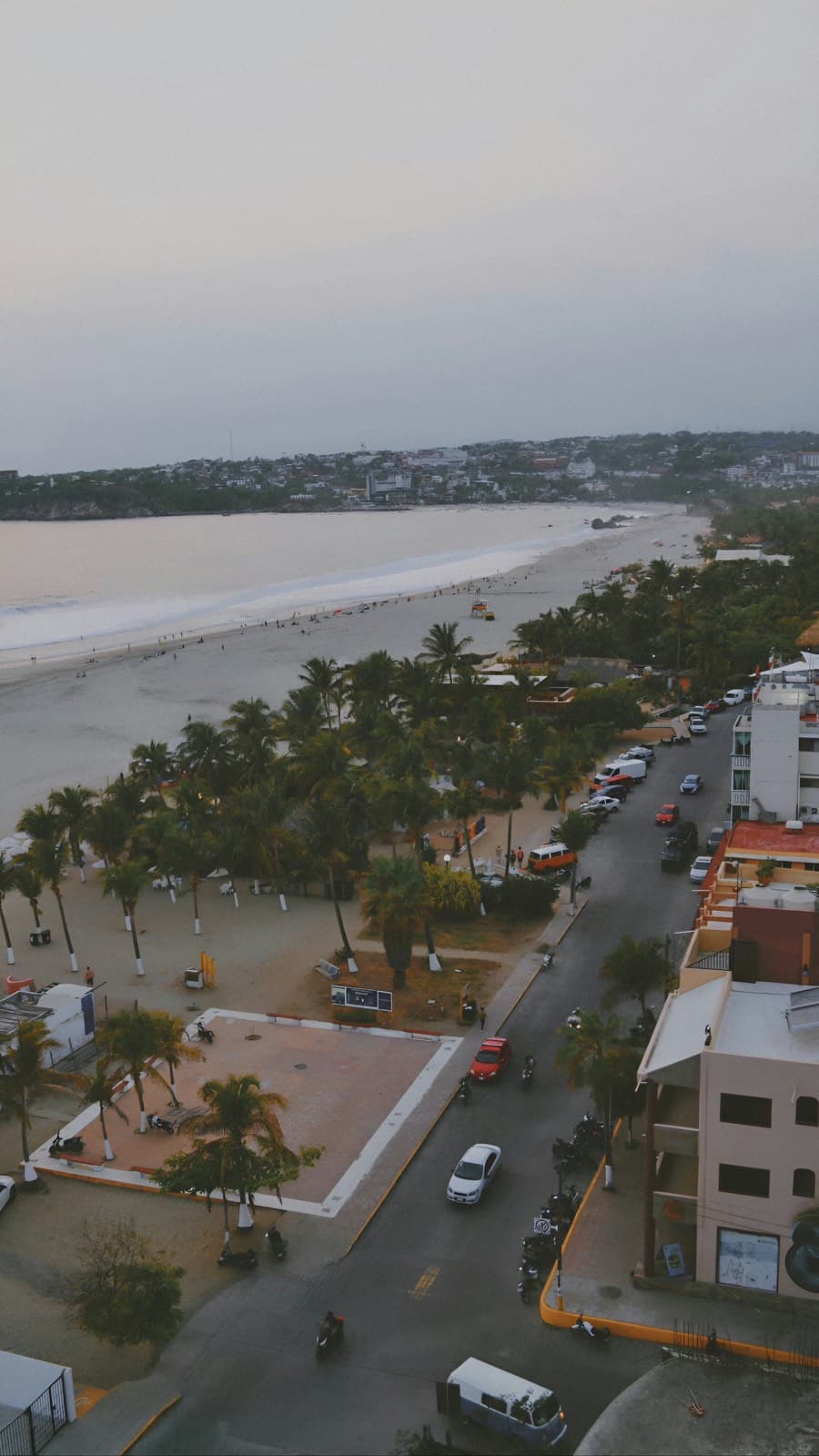 La PuntaOaxaca · MexicoBeginner, Intermediate · Point break
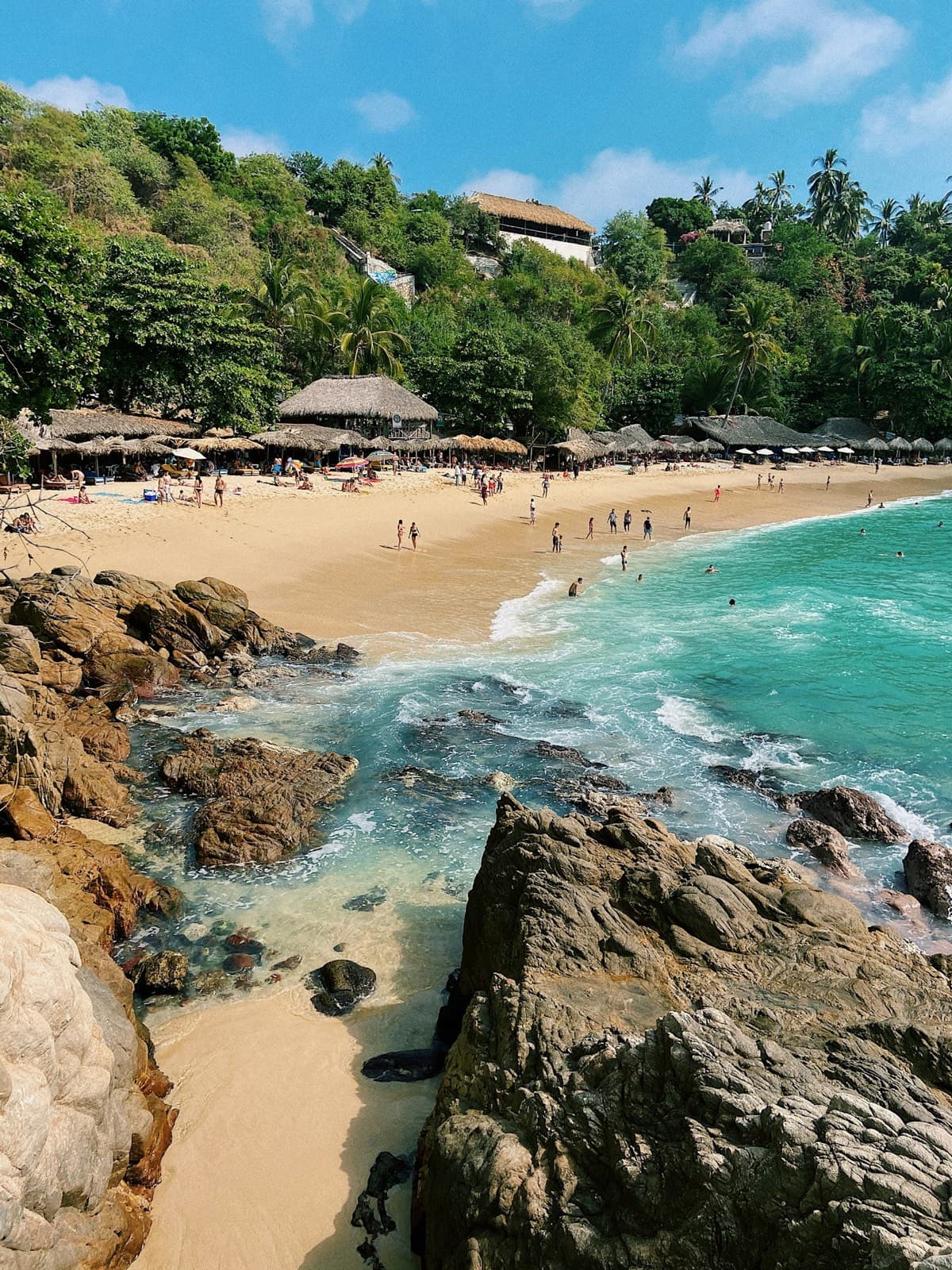 CarrizalilloOaxaca · MexicoBeginner, Intermediate · Beach break
- San AgustinilloMazunte and Zipolite coast, Oaxaca · MexicoBeginner, Intermediate · Beach break
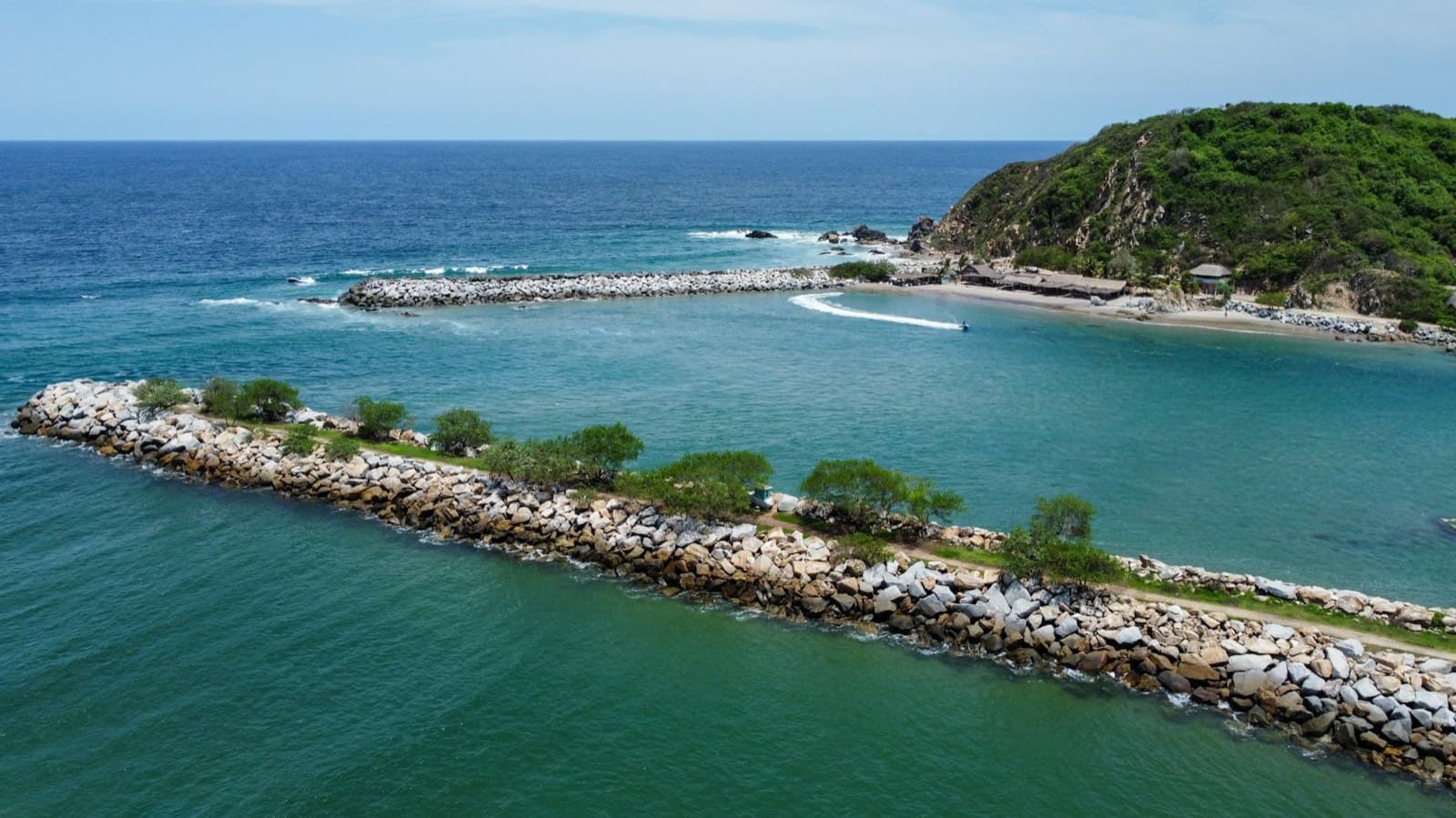 ChacahuaLagunas de Chacahua, Oaxaca · MexicoBeginner, Intermediate · Point break, Jetty
Frequently asked questions
When is the best time to surf Zicatela?
From about April to October, when southern-hemisphere groundswells arrive; June to August usually brings the biggest days. Annual competitions are often held in November. Go at first light: the wind is usually offshore until mid-morning, then turns onshore.
Is Zicatela good for beginners?
No. Zicatela is one of the heaviest beach breaks in the world, with frequent closeouts, strong rips and a hard shorebreak even on small days. Beginners should learn at Carrizalillo, progress at La Punta, and watch Zicatela from the sand until they can handle heavy waves with confidence.
Where can you photograph surfing at Zicatela?
From the sand in front of the main peaks, ideally at first light when the sun is behind you and the wind is offshore. Bring a long lens, 300–600 mm on full frame. The Punta Zicatela lookout at the southern end gives a wide view back along the beach.
Why is Zicatela called the Mexican Pipeline?
Because its thick, hollow barrels reminded surfers of Pipeline on Oahu. The comparison is about power more than shape: Zicatela is a sand-bottom beach break where deep water close to shore lets swells hit the sandbars at full strength, producing heavy tubes that often close out.
How can I get photos of my surf session at Zicatela?
Post your surf plan on Makai with the dates you will be here, so photographers in the area can offer to shoot you, or browse surf photographers and message one before your session. Agree on what you will get before you paddle out.
Updated September 2026