Lagunas de Chacahua, Oaxaca · Mexico
Surfing Chacahua
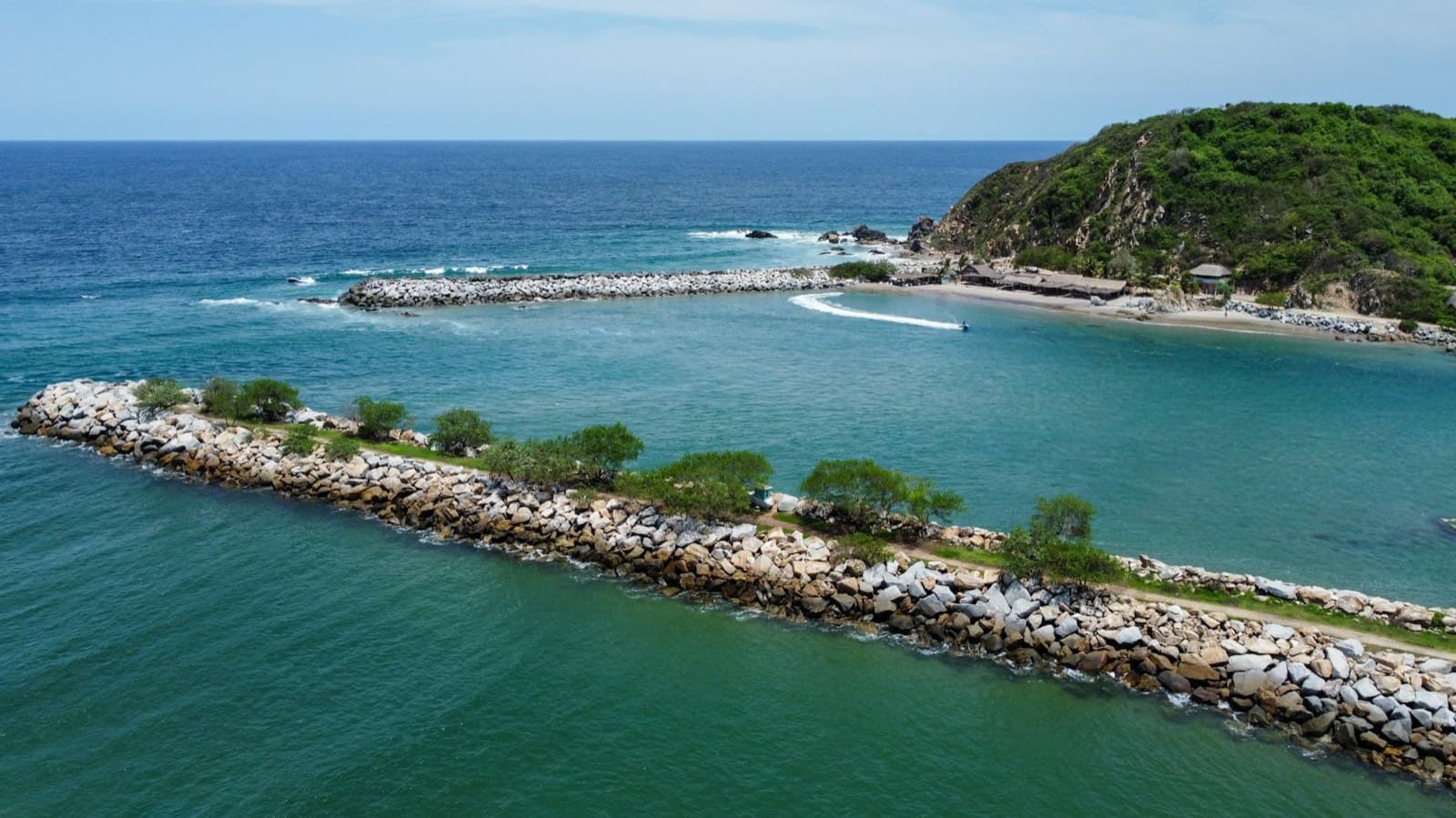
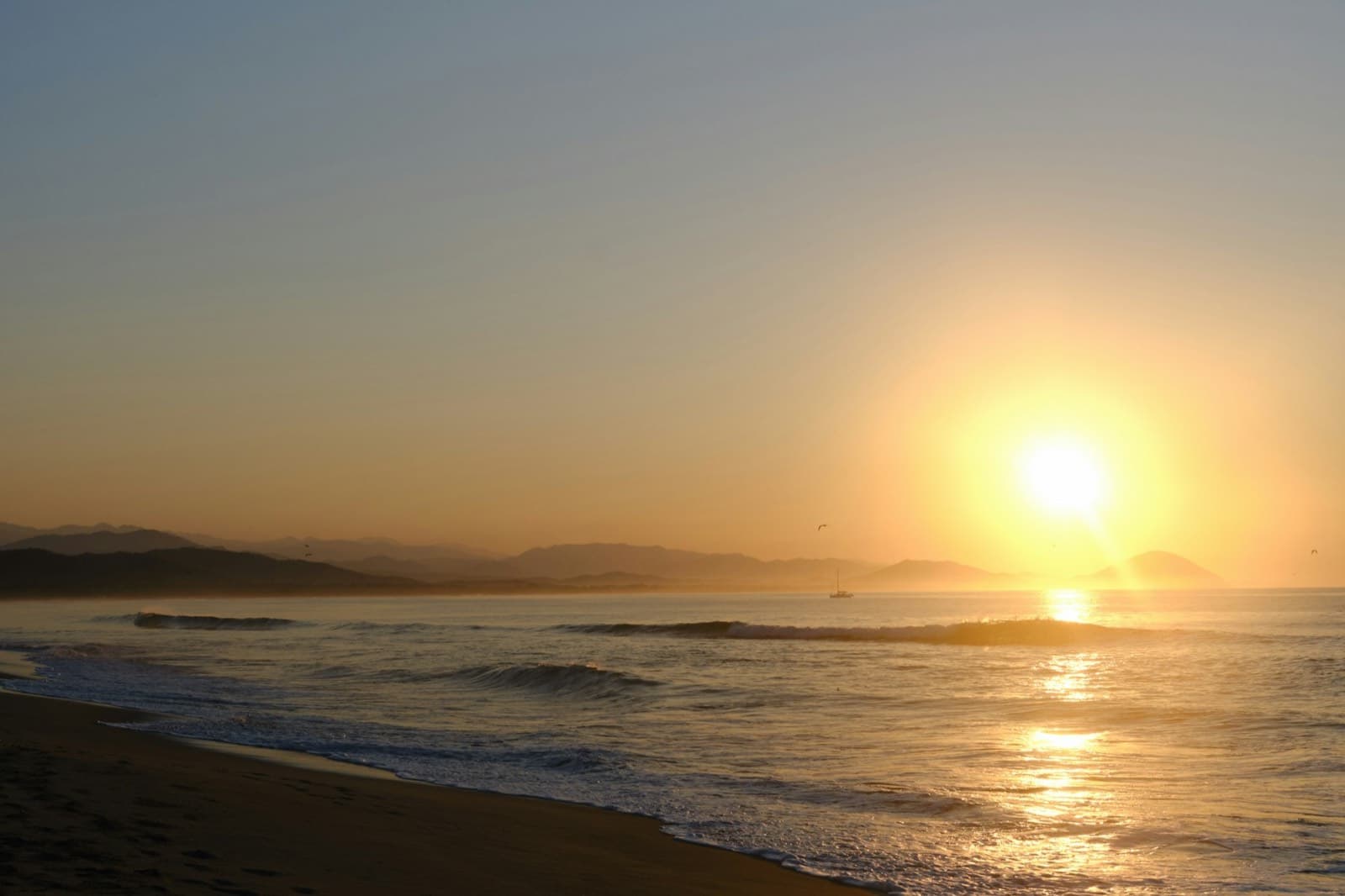
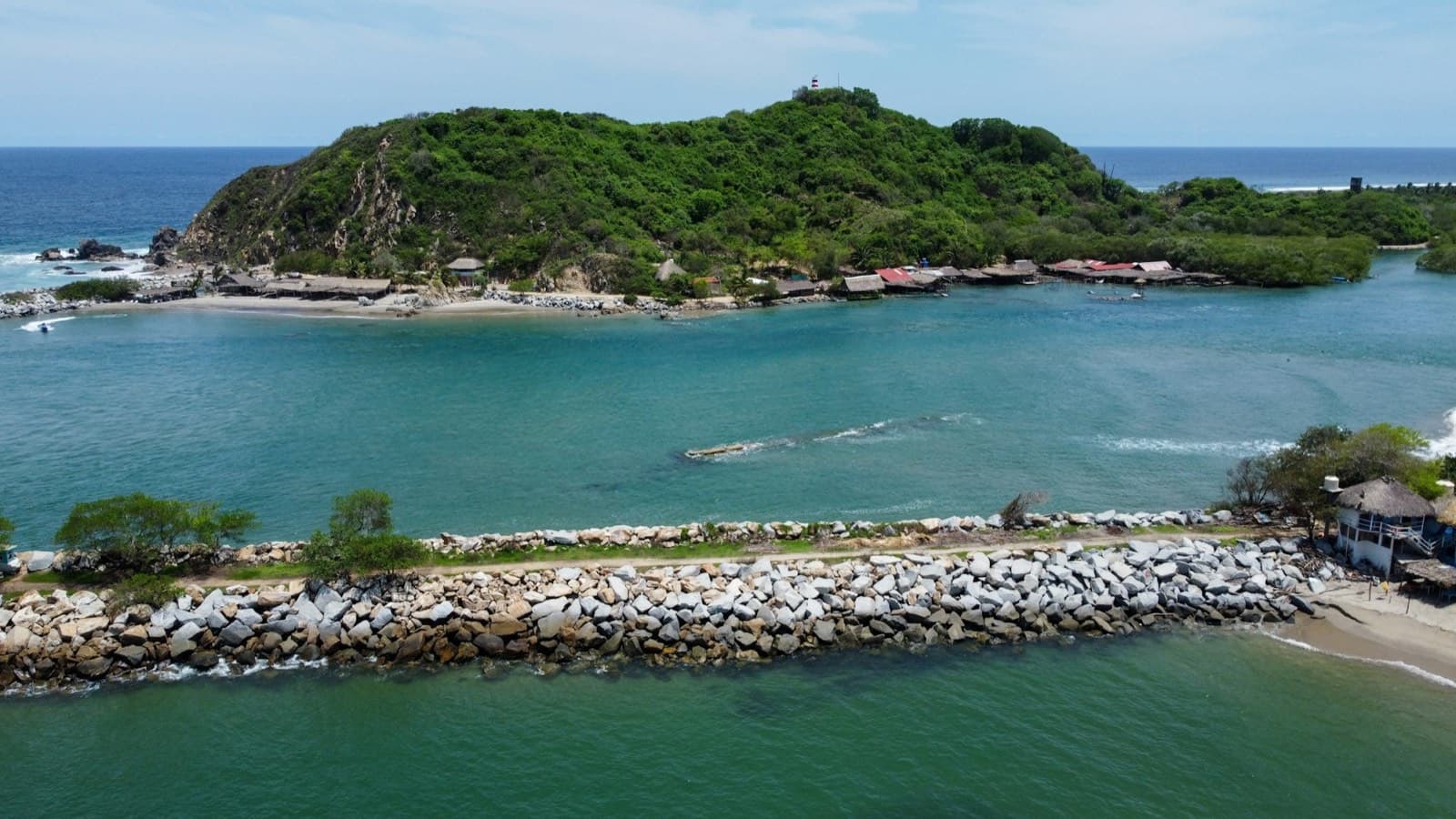
Chacahua is a small village on the sandbar between the Pacific and the lagoons of Lagunas de Chacahua National Park, west of Puerto Escondido along the Oaxacan coast. Its wave is a long, sand-bottom right that breaks beside a rock jetty at the lagoon mouth, with several peaks that suit everyone from learners on the inside to experienced surfers out the back. The last leg is a boat ride through the mangroves, which keeps the crowds lower.
At a glance
- Wave
- Point break, Jetty · Right
- Bottom
- Sand
- Level
- Beginner, Intermediate
- Best swell
- S, SSW, SW
- Best wind
- N, NNE, NE
- Tide
- Low to mid tide
- Best months
- May–Oct
- Water
- 26–30 °C · Boardshorts and a rash vest
- Crowd
- Busy at peak times
The surf in Chacahua
The main wave starts beside the jetty and peels right along the beach, with three or four peaks strung down the line and rides that can run for hundreds of metres on a good swell. It is not usually a barrelling wave: the walls are open and easy-going, which makes it popular with longboarders as well as shortboarders. The outside peaks are steeper and more powerful, and the inside whitewater is where beginners learn. It likes south to southwest groundswell and a northerly offshore, and most guides favour low to mid tide, although it can work through the tide.
May to September or October brings the biggest, most consistent swells and is the time for experienced surfers; October to April is smaller and better for learning. Rather than face a long paddle back after a long ride, most surfers walk back along the beach to the jetty. The hazards: a strong current can make the paddle-out hard, there is a rip in the swimming area, and the channel at the lagoon mouth carries current and boat traffic, so cross to the far side by lancha.
Photographing surf in Chacahua
The beach faces roughly south, and the right peels away from the jetty along the sand, so the best angle is from the beach down the line, looking back toward the peaks. In the morning the sun is behind your left shoulder and lights the wave faces; in the afternoon you are shooting toward the sun, which suits backlit spray and silhouettes more than faces. In summer the midday light is high and flat.
From the sand, a 200–500 mm (full-frame equivalent) frames riders on the outside peaks, while a 70–200 mm handles the inside. The base of the jetty offers a side-on view of the takeoff; keep off the rocks whenever sets wash over them. On small days, competent swimmers can shoot from the shoulder, but respect the current on the paddle-out. The mangroves and pelicans on the boat ride in are worth a wide lens too.
Getting there
From Puerto Escondido, head west on Highway 200 via Río Grande to El Zapotalito, then take a lancha across the lagoon through the mangroves: about 30–40 minutes to the village, or a shorter crossing to Banco de Piedra followed by a shared truck. Colectivos cover the road section. The village has simple cabañas, restaurants, board rental and lessons, and camping is possible, but there are no ATMs and wifi is limited, so bring enough cash for your stay.
Surfing or shooting here?
Surfing in Chacahua?
Post your surf plan with your dates. Photographers in the area can see it and offer to shoot your session.
Shooting in Chacahua?
Share your photos with the beach tagged. Surfers looking at Chacahua find your work and can message you.
Nearby spots
Frequently asked questions
When is the best time to surf Chacahua?
For size and consistency, May to September, when southern-hemisphere swells arrive; this is also the season for experienced surfers. October to April is smaller and friendlier for learning. Mornings with a light northerly offshore are usually the cleanest sessions.
Is Chacahua good for beginners?
On smaller days, yes. Beginners can ride the inside whitewater and slower peaks while better surfers sit out the back, and boards and lessons are available in the village. On big summer swells the outside peaks get powerful and the current on the paddle-out gets strong, so learners should stay on the inside.
Where can you photograph surfing at Chacahua?
From the beach down the line, looking back toward the jetty, so the rights peel toward you. Mornings give front-lit faces with the sun behind you. The base of the jetty gives a side view of the takeoff, but stay off wet rocks. A 200–500 mm lens covers the outside peaks.
How do you get to Chacahua from Puerto Escondido?
Travel west on Highway 200 to El Zapotalito by car, or by colectivo via Río Grande, then take a boat across the lagoon, about 30–40 minutes through the mangroves. Allow a few hours door to door, travel light and bring cash, as there are no ATMs in the village.
How can I get photos of my surf session in Chacahua?
Post your surf plan on Makai with the dates you will be here, so photographers in the area can offer to shoot you, or browse surf photographers and message one before your session. Agree on what you will get before you paddle out.
Updated September 2026