Huatulco coast, Oaxaca · Mexico
Surfing Barra de la Cruz
Barra de la Cruz is a right-hand point about 20 km east of Huatulco, on a beach managed by the local community. When a south swell lines up, the wave runs from the rocky point into the bay in long, fast walls with barrel sections at the top. It became famous at the 2006 Rip Curl Search and hosted the world tour again in 2021. It suits intermediate to advanced surfers, and on good swells the lineup is packed.
At a glance
- Wave
- Point break · Right
- Bottom
- Sand and rock
- Level
- Intermediate, Advanced
- Best swell
- SSE, S, SSW, SW
- Best wind
- NW, NNW, N
- Tide
- Low to mid tide
- Best months
- Apr–Oct
- Water
- 27–30 °C · Boardshorts and a rash vest
- Crowd
- Crowded
The surf at Barra de la Cruz
Swell bends around the rocky headland at the south end of the bay and peels right, running north along the beach toward the river mouth. The bottom is sand banked against rock: the river brings sand down after the rains, and the banks change from year to year, so one season can be far better than the next. The top of the point gives the hollowest sections, followed by steep walls that hold size through the bay, and the rides are long enough to make the paddle back a workout.
It needs a proper south swell, from south-south-east to south-west, and most guides rate it best from low to mid tide with offshore winds from the north-west to north. The season runs from about April to October, with June and July often the most consistent; winter is usually small. On good swells the lineup fills with locals, travellers and surf-camp guests, so patience and etiquette count for more than anything. Watch the rocks at the top of the point.
Photographing surf at Barra de la Cruz
The beach faces east-south-east, so mornings put the sun over the sea and behind the waves: good for backlit spray, but the wave faces sit in shadow. From early afternoon the sun moves west, behind the beach, and starts lighting the faces as the rights run toward the river mouth; the late-afternoon light is the one to wait for.
The strongest angle is from the sand down the line, looking back toward the point, with 300–600 mm (full-frame equivalent) for surfers at the top of the point and 100–400 mm as they come closer. Contest photos made the wave famous, and the setting of palms, headland and bay rewards a wide frame too. Shooting from the water is for experienced swimmers only, given the crowd and the length of the point.
Getting there
From Huatulco, drive east on Highway 200 toward Salina Cruz for about 20 km and turn south at the Barra de la Cruz sign; the road runs through the village to the beach, 5–10 minutes further on. Huatulco airport (HUX) is roughly an hour away. The community runs the beach: you pay an entry fee at the gate, and there is a car park with toilets, showers and a restaurant. Community rules apply, so ask locally about hours. Cabañas and small surf camps are in the village.
Surfing or shooting here?
Surfing at Barra de la Cruz?
Post your surf plan with your dates. Photographers in the area can see it and offer to shoot your session.
Shooting at Barra de la Cruz?
Share your photos with the beach tagged. Surfers looking at Barra de la Cruz find your work and can message you.
Nearby spots
- San AgustinilloMazunte and Zipolite coast, Oaxaca · MexicoBeginner, Intermediate · Beach break
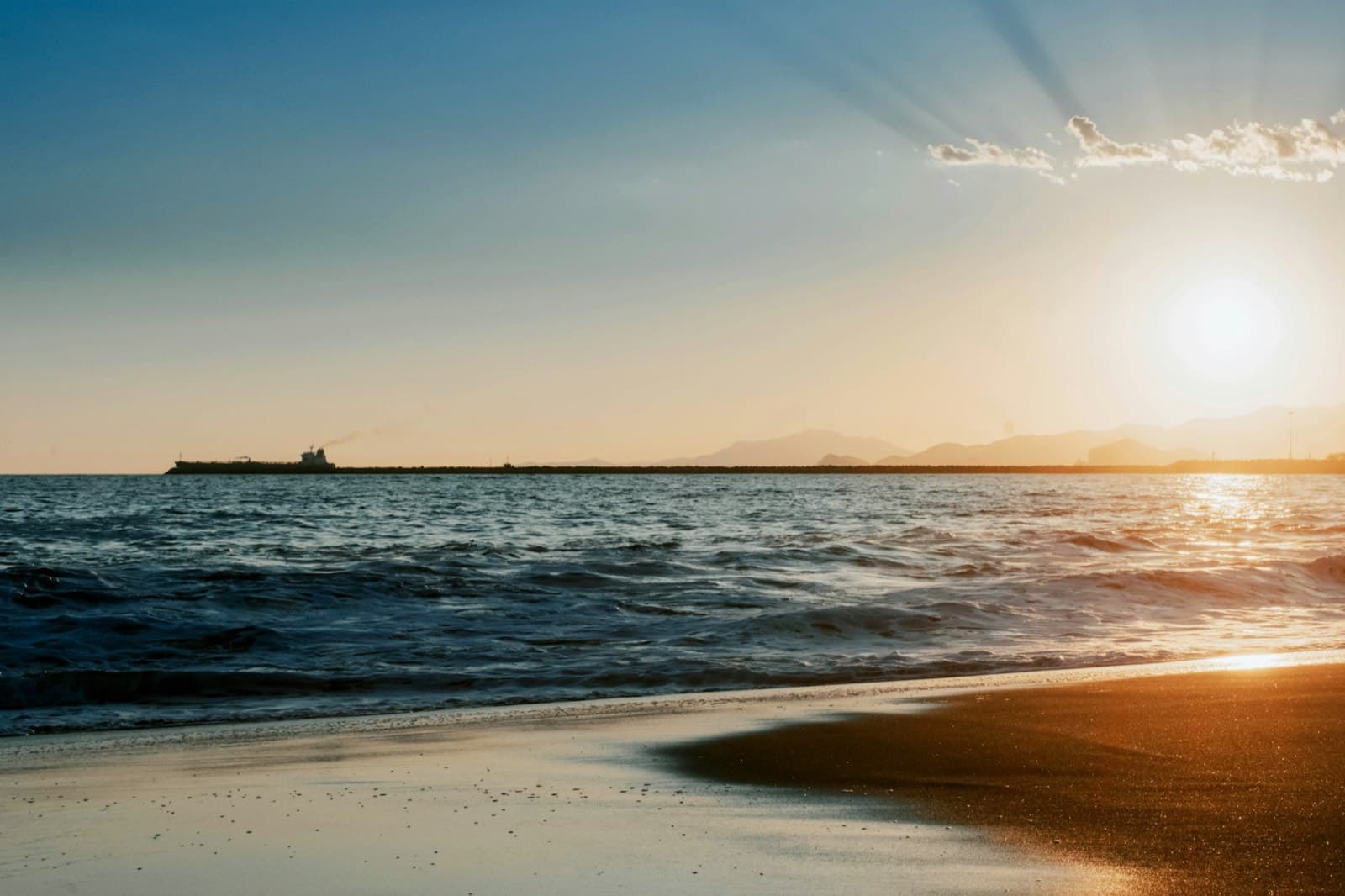 Salina CruzIsthmus of Tehuantepec, Oaxaca · MexicoIntermediate, Advanced · Point break, Beach break
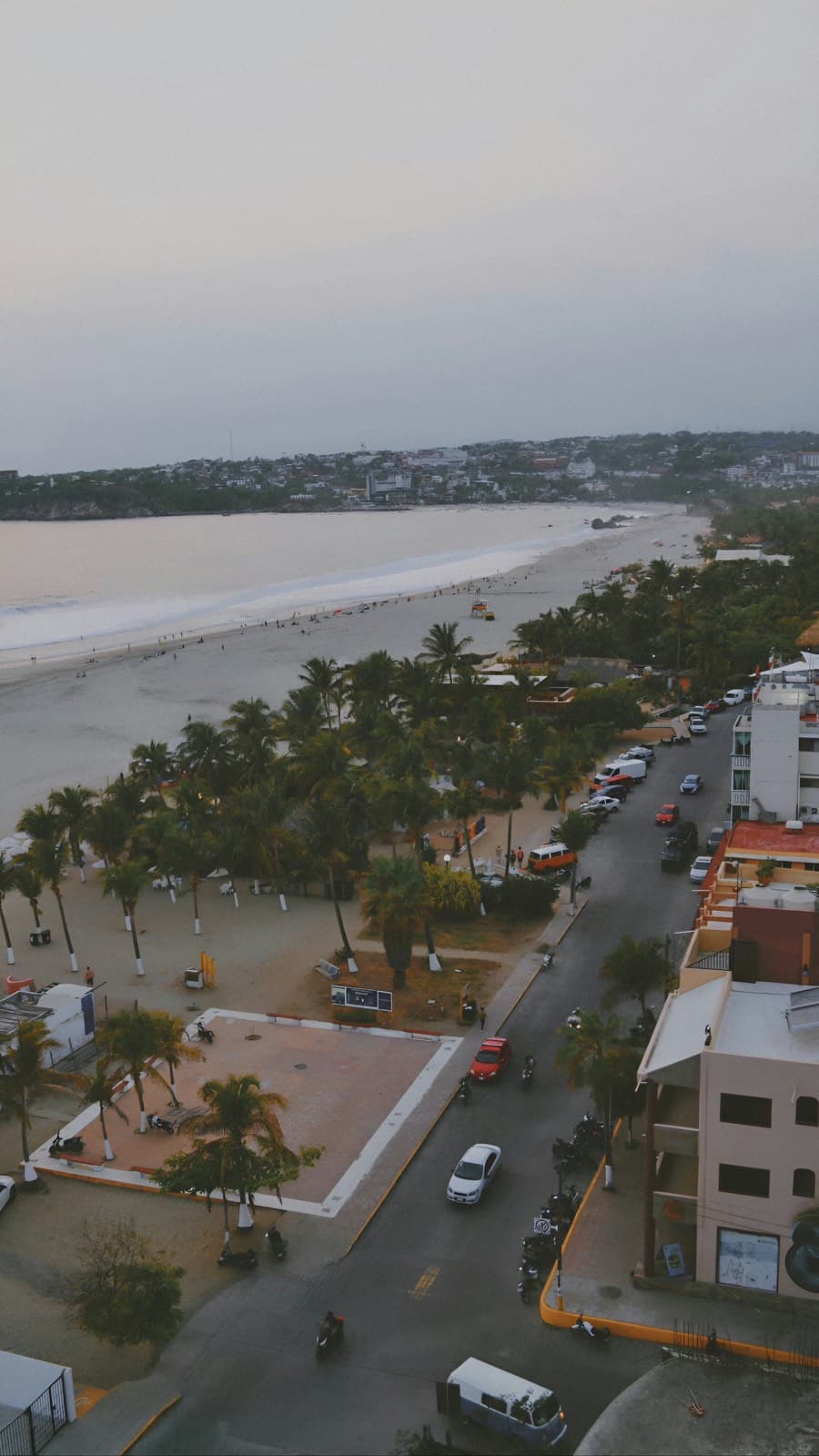 La PuntaOaxaca · MexicoBeginner, Intermediate · Point break
- ZicatelaOaxaca · MexicoAdvanced, Expert · Beach break
Frequently asked questions
When is the best time to surf Barra de la Cruz?
From about April to October, when southern-hemisphere swells reach Oaxaca; June and July are often the most consistent months. Winter is usually small. The point needs a genuine south swell to line up, so watch the forecast and be ready to go when one arrives.
Is Barra de la Cruz good for beginners?
Not really. It is a fast, powerful point with a crowded, competitive lineup, and the best sections are at the top near the rocks. Beginners will find friendlier waves on gentler beaches elsewhere on the coast, and can come back once they can take off late and pick a line on a fast wall.
Where can you photograph surfing at Barra de la Cruz?
From the beach down the line, looking back toward the point, so the rights run toward you. Afternoon is best, when the sun is behind the beach and lights the faces; mornings are backlit. Use 300–600 mm for the top of the point and a shorter lens as riders come closer.
Do you have to pay to surf at Barra de la Cruz?
Yes. The beach is run by the local community and there is an entry fee, paid at the gate, that gives you access to the beach and the car park. The amount can change, so bring cash in small notes. Respect the community's rules: access depends on their goodwill.
How can I get photos of my surf session at Barra de la Cruz?
Post your surf plan on Makai with the dates you will be here, so photographers in the area can offer to shoot you, or browse surf photographers and message one before your session. Agree on what you will get before you paddle out.
Updated September 2026