Baja California Sur · Mexico
Surfing San Pedrito
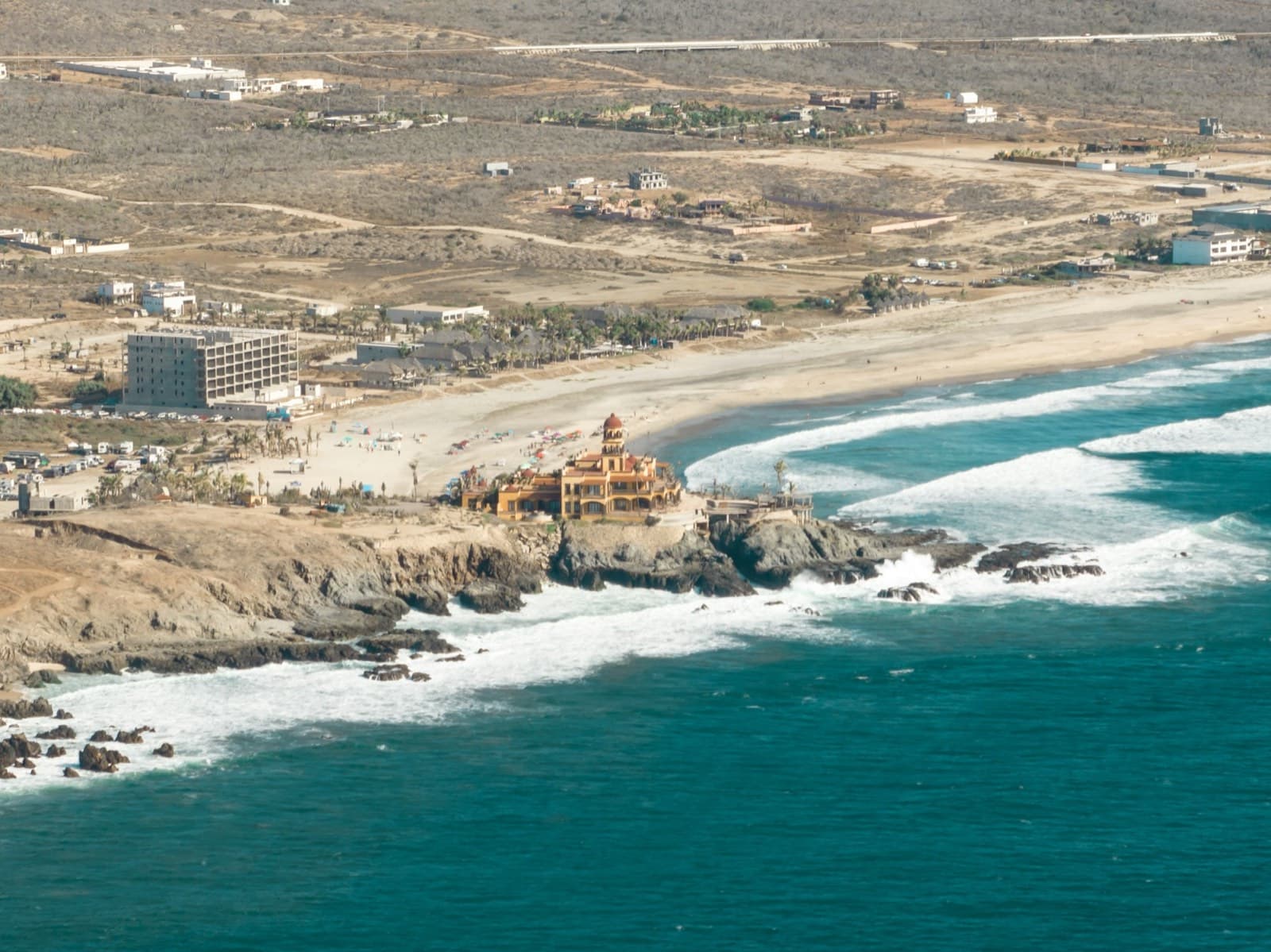
San Pedrito is a reef and cobble break on Playa San Pedrito, between El Pescadero and Todos Santos on the Pacific side of Baja California Sur. When winter northwest swells arrive it lines up into fast, powerful rights with hollow sections, a clear step up from the learner waves at nearby Cerritos. The one thing to know: the rocky bottom and strong currents make it a wave for confident surfers.
At a glance
- Wave
- Reef break, Beach break · Right
- Bottom
- Rock
- Level
- Intermediate, Advanced
- Best swell
- W, WNW, NW
- Best wind
- NE, ENE, E
- Tide
- Mid tide
- Best months
- Oct–Mar
- Water
- 20–28 °C · 2 mm or spring suit → Boardshorts and a rash vest
- Crowd
- Busy at peak times
The surf at San Pedrito
The bottom is a compact shelf of rock and cobble, and that is what gives San Pedrito its punch: steeper takeoffs, faster walls and hollower sections than the sandier beaches nearby. From about October to March, W to NW groundswells produce lined-up rights from head high to overhead, with northeast wind offshore; the cleanest sessions come early, before the daily wind rises. In summer the beach turns peakier, with A-frames along the sand that favour lefts.
Tide advice varies between sources, but most warn against low tide, when the rocks come into play, so mid tide is the safe starting point. Sharp reef, sea urchins and strong currents are the main hazards; many regulars wear booties and some wear helmets. It suits intermediate to advanced surfers on normal days and becomes a shortboard wave for experienced surfers when the swell is solid. Winter brings campers and travelling surfers, so expect a busier lineup then. Water ranges from about 20 °C to 28 °C through the year and can cool noticeably in late spring.
Photographing surf at San Pedrito
The beach faces west-southwest, so mornings are the time to shoot: the sun comes from behind you and lights the wave faces, and the wind is usually at its lightest. From midday the sun swings over the Pacific, and late afternoon turns the lineup into backlit spray and sunset silhouettes. The reef breaks close to shore, so from the sand a 100–400 mm lens covers most rides and 500–600 mm fills the frame on the outside sets.
Work from the beach in front of the main peaks and move along the sand as the takeoff shifts with the swell. Water shooting is for experienced swimmers only: sharp rock, urchins and currents leave little margin, and booties are a good idea. The signature image here is a winter right running in a clean line, shot early while the surface is still glassy.
Getting there
San Pedrito is just off Highway 19 near El Pescadero, about 8 km south of Todos Santos and roughly an hour north of Cabo San Lucas; Los Cabos airport (SJD) is about 1.5 hours away. Turn in at the signed San Pedrito entrance and follow a short dirt road, around five minutes, to the beach; a 4x4 is not needed. Camping and holiday rentals sit close to the beach, while shops and restaurants are in El Pescadero and Todos Santos.
Surfing or shooting here?
Surfing at San Pedrito?
Post your surf plan with your dates. Photographers in the area can see it and offer to shoot your session.
Shooting at San Pedrito?
Share your photos with the beach tagged. Surfers looking at San Pedrito find your work and can message you.
Nearby spots
 Playa Los CerritosBaja California Sur · MexicoBeginner, Intermediate · Beach break, Point break
- Costa AzulLos Cabos, Baja California Sur · MexicoBeginner, Intermediate, Advanced · Reef break, Point break
- Nine PalmsEast Cape, Baja California Sur · MexicoBeginner, Intermediate, Advanced · Point break
- Scorpion BayBaja California Sur · MexicoBeginner, Intermediate, Advanced · Point break
Frequently asked questions
When is the best time to surf San Pedrito?
October to March, when northwest groundswells line up the rights and northeast wind blows offshore, with January often the most consistent month. Surf early, before the wind picks up. Summer still has waves, but they are peakier and less organised, and the water can cool for a spell in late spring.
Is San Pedrito good for beginners?
No. The rocky shelf, urchins and strong currents make San Pedrito an intermediate-to-advanced wave, and the takeoffs are steep. Beginners should learn at Playa Los Cerritos, a few kilometres south, where the corner by the northern headland has a sand bottom and gentle whitewater, and come back once they are comfortable on steeper waves.
Where can you photograph surfing at San Pedrito?
From the beach in front of the main peaks, with a 100–400 mm lens and something longer for the outside sets. Mornings give front light on this west-southwest-facing beach and usually the lightest wind; late afternoon is backlit, better for silhouettes and sunsets. Water shooting is only for experienced swimmers because of the rock, urchins and currents.
What is La Pastora like?
La Pastora, north of Todos Santos, is an exposed point with rights and lefts that is at its best in winter, often in November. On the right swell it gets double overhead and hollow over reef, so it is for advanced surfers only. Its location keeps crowds low, but it is not a place to paddle out if you are unsure.
How can I get photos of my surf session at San Pedrito?
Post your surf plan on Makai with the dates you will be here, so photographers in the area can offer to shoot you, or browse surf photographers and message one before your session. Agree on what you will get before you paddle out.
Updated September 2026