Los Cabos, Baja California Sur · Mexico
Surfing Costa Azul (Zippers)
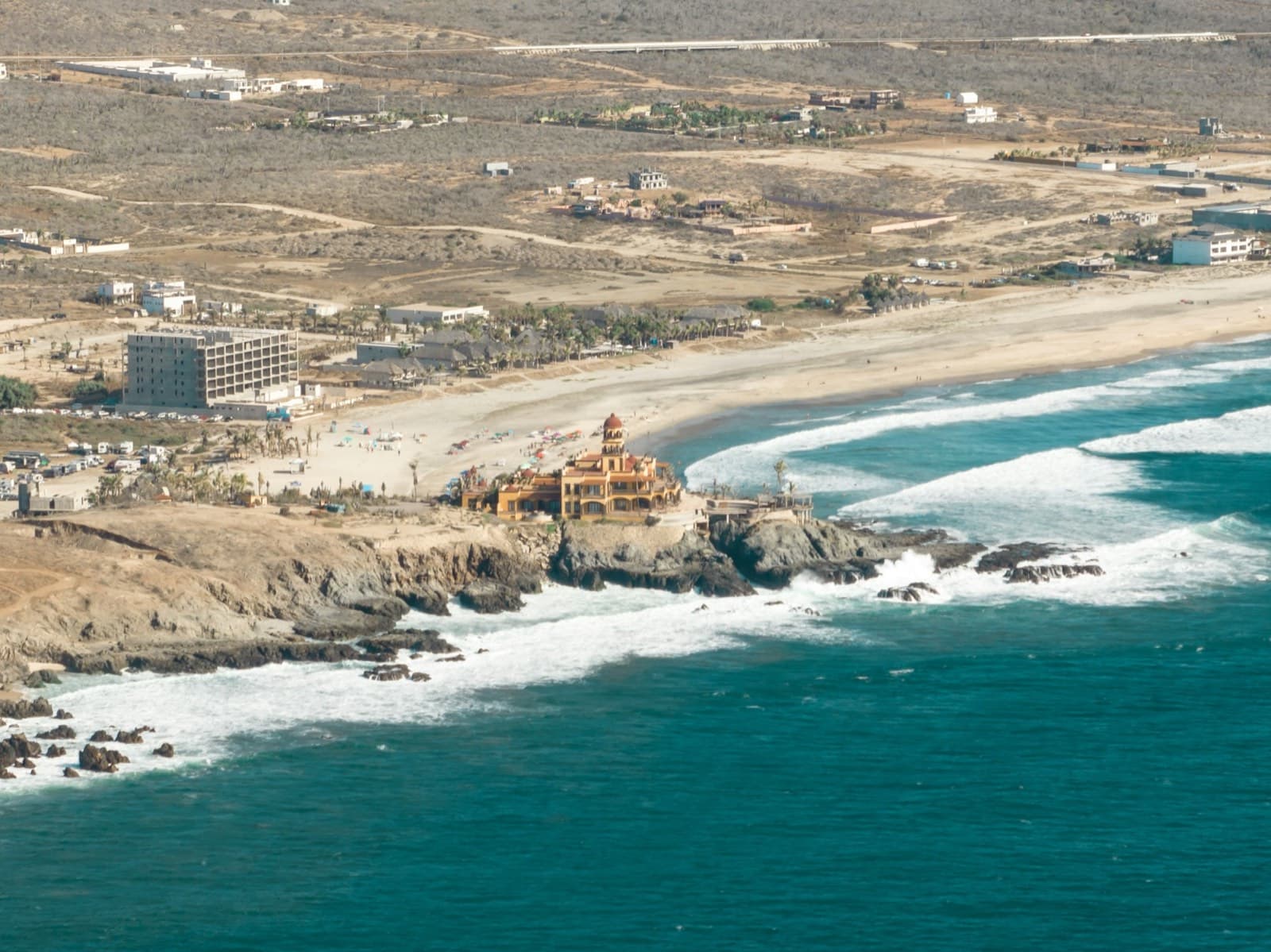
Costa Azul is the short stretch of coast on the southwest edge of San José del Cabo where most Los Cabos surfing happens. Zippers, a fast right over cobble and reef, is the headline wave, with La Roca and Old Man's right next to it. It comes alive on summer south swells and is often small in winter. The one thing to know: Zippers has a tight local crew, so wait your turn, and start at Old Man's if you are still learning.
At a glance
- Wave
- Reef break, Point break · Right
- Bottom
- Cobblestones
- Level
- Beginner, Intermediate, Advanced
- Best swell
- S, SSW, SW
- Best wind
- N, NNW, NW
- Tide
- Mid to high tide
- Best months
- May–Oct
- Water
- 21–29 °C · 2 mm or spring suit → Boardshorts and a rash vest
- Crowd
- Crowded
The surf at Costa Azul
Everything here depends on south to southwest groundswell, which arrives from May to October and usually peaks from July to September; in winter the coast is often small and better for swimming. Zippers is a right-hand reef over cobbles and sand with a fast takeoff and a hollow inside section, giving rides of 80–120 m on a good swell. It suits solid intermediate and advanced surfers, regularly hosts contests and is crowded whenever it breaks.
La Roca, by the big rock outcrop below the roadside lookout, is a steeper right reef between Zippers and Old Man's; it gets very rocky at low tide and is best from mid to high tide. Old Man's is a mellow, longboard-friendly right where the surf schools work, suited to late beginners and improvers. Northerly winds are offshore. At Zippers, low tide exposes urchin-covered rocks on a shallow inside, and a strong rip runs through the channel. Sources also flag pollution, so avoid surfing after heavy rain. Water sits around 21 °C in early spring and reaches about 29 °C in late summer.
Photographing surf at Costa Azul
Zippers is easy to work with a long lens. From the beach east of the peak you look back up the line at riders coming towards you, and on summer mornings the sun, rising in the east-northeast, lights the wave faces from over your shoulder. By mid-afternoon the faces fall into shadow with the sun behind the wave, and in the cooler months the low southern sun sits over the sea, so backlit spray and silhouettes are the norm.
Summer middays are harsh, with the sun almost overhead. The roadside lookout above La Roca gives a raised angle over the lineup. From the sand, 100–400 mm covers Zippers; from the lookout, 200–500 mm works better. Swimming at Zippers is for experienced water photographers only, given the crowd, rocks and rip; Old Man's is gentler on small days. The classic frame is a rider setting up for the hollow inside section at Zippers.
Getting there
Costa Azul sits between km 28 and 29 of the Transpeninsular Highway, the tourist corridor linking Cabo San Lucas and San José del Cabo. Los Cabos airport is about 20 km away, a short taxi ride, and Cabo San Lucas is 25–30 minutes west by road. There is public parking by the surf shop near Zippers, with board rentals, surf schools and a beachfront restaurant. The lookout on the highway above La Roca is an easy stop to check the waves.
Surfing or shooting here?
Surfing at Costa Azul?
Post your surf plan with your dates. Photographers in the area can see it and offer to shoot your session.
Shooting at Costa Azul?
Share your photos with the beach tagged. Surfers looking at Costa Azul find your work and can message you.
Nearby spots
- Nine PalmsEast Cape, Baja California Sur · MexicoBeginner, Intermediate, Advanced · Point break
 Playa Los CerritosBaja California Sur · MexicoBeginner, Intermediate · Beach break, Point break
- San PedritoBaja California Sur · MexicoIntermediate, Advanced · Reef break, Beach break
- Scorpion BayBaja California Sur · MexicoBeginner, Intermediate, Advanced · Point break
Frequently asked questions
When is the best time to surf Costa Azul?
May to October, when south and southwest groundswells from the Southern Hemisphere reach the tip of the peninsula, with July to September usually the peak. Winter is often small here and better suited to swimming. Summer is also hurricane season on this coast, so follow official warnings when a storm is forecast.
Is Costa Azul good for beginners?
Zippers and La Roca are not beginner waves: both break over rock and cobble, get shallow at low tide and are crowded with experienced locals. Beginners should head to Old Man's, a mellow right on the same stretch where surf schools give lessons, and stick to small days. On bigger south swells even Old Man's is best left to improvers.
Where can you photograph surfing at Costa Azul?
From the sand east of Zippers with a 100–400 mm lens, looking back up the line at riders coming towards you, or from the roadside lookout above La Roca for a raised angle with 200–500 mm. Summer mornings give the best light on the wave faces; afternoons and winter days are mostly backlit.
Can you take surf lessons at Costa Azul?
Yes. Several surf schools and rental shops work along Costa Azul, and lessons usually take place at Old Man's, the gentlest wave on this stretch. Zippers and La Roca are for experienced surfers only. South swells can build quickly in summer, so book lessons for smaller days and check conditions with the school first.
How can I get photos of my surf session at Costa Azul?
Post your surf plan on Makai with the dates you will be here, so photographers in the area can offer to shoot you, or browse surf photographers and message one before your session. Agree on what you will get before you paddle out.
Updated September 2026