Costa de Michoacán · Mexico
Surfing La Ticla
La Ticla is a beach and small settlement on the Michoacán coast where the Río Ostula reaches the Pacific, looked after by the Nahua indigenous community of Santa María Ostula. Surfers come for the left that breaks over a cobblestone bottom beside the rivermouth: hollow and powerful on a good south swell, softer further down the point. It suits intermediates and better. Remember that you are a guest on community land, so follow local rules.
At a glance
- Wave
- River mouth, Point break · Left
- Bottom
- Cobblestones
- Level
- Intermediate, Advanced
- Best swell
- SSE, S, SSW
- Best wind
- NNE, NE, ENE
- Tide
- All tides
- Best months
- May–Oct
- Water
- 26–30 °C · Boardshorts and a rash vest
- Crowd
- Busy at peak times
The surf in La Ticla
The main wave is a left over cobblestones next to the mouth of the Río Ostula. There are three peaks, and on a good day they join into one long ride that starts with fast, barrelling sections near the rivermouth and eases into a slower, longboard-friendly wall off the point. South swells light it up, with the main season from May to October and April and November as shoulder months. In winter, northerly swells produce a shorter right off the point and some beach-break peaks, so there is usually something to ride.
Offshore is from the north-east, which typically means clean mornings and a windier afternoon, with a chance of glassy water again at dusk. It works on most tides. Weekends can get very crowded when surfers drive down from Guadalajara, although the peaks spread people out and the hot middle of the day is often quieter. Watch for rocks and sea urchins underfoot and strong rips around the rivermouth, and remember that medical help is far away. Water is around 26–30 °C.
Photographing surf in La Ticla
The shore faces roughly west-south-west, so in the morning the sun is behind you as you face the lineup and lights the wave faces, which is also when the north-east offshore tends to hold. From mid-afternoon the light comes off the sea, turning the peaks into backlit spray and, at sunset, silhouettes over the water. The best land angle is from the beach down the point, looking back at the wave as it runs towards you, or from the sand opposite the rivermouth peak for the barrel sections.
Distances call for 200–600 mm on a full-frame body, with the long end for the outside peak. Shooting from the water is only for experienced swimmers, given the rips at the rivermouth, the rocks and a busy lineup. Beyond action, the river mouth and the camp under the palapas give plenty of context for a sequence about the place.
Getting there
La Ticla is in the municipality of Aquila, about ten minutes off Highway 200. Depending on where you start, allow between one and a half and three hours by road from Tecomán, in Colima, or from Lázaro Cárdenas. Places to stay are simple: cabañas and camping under palapas, with a couple of beach restaurants, so bring supplies from town. Check current travel advisories for Michoacán, drive only in daylight and keep valuables with you.
Surfing or shooting here?
Surfing in La Ticla?
Post your surf plan with your dates. Photographers in the area can see it and offer to shoot your session.
Shooting in La Ticla?
Share your photos with the beach tagged. Surfers looking at La Ticla find your work and can message you.
Nearby spots
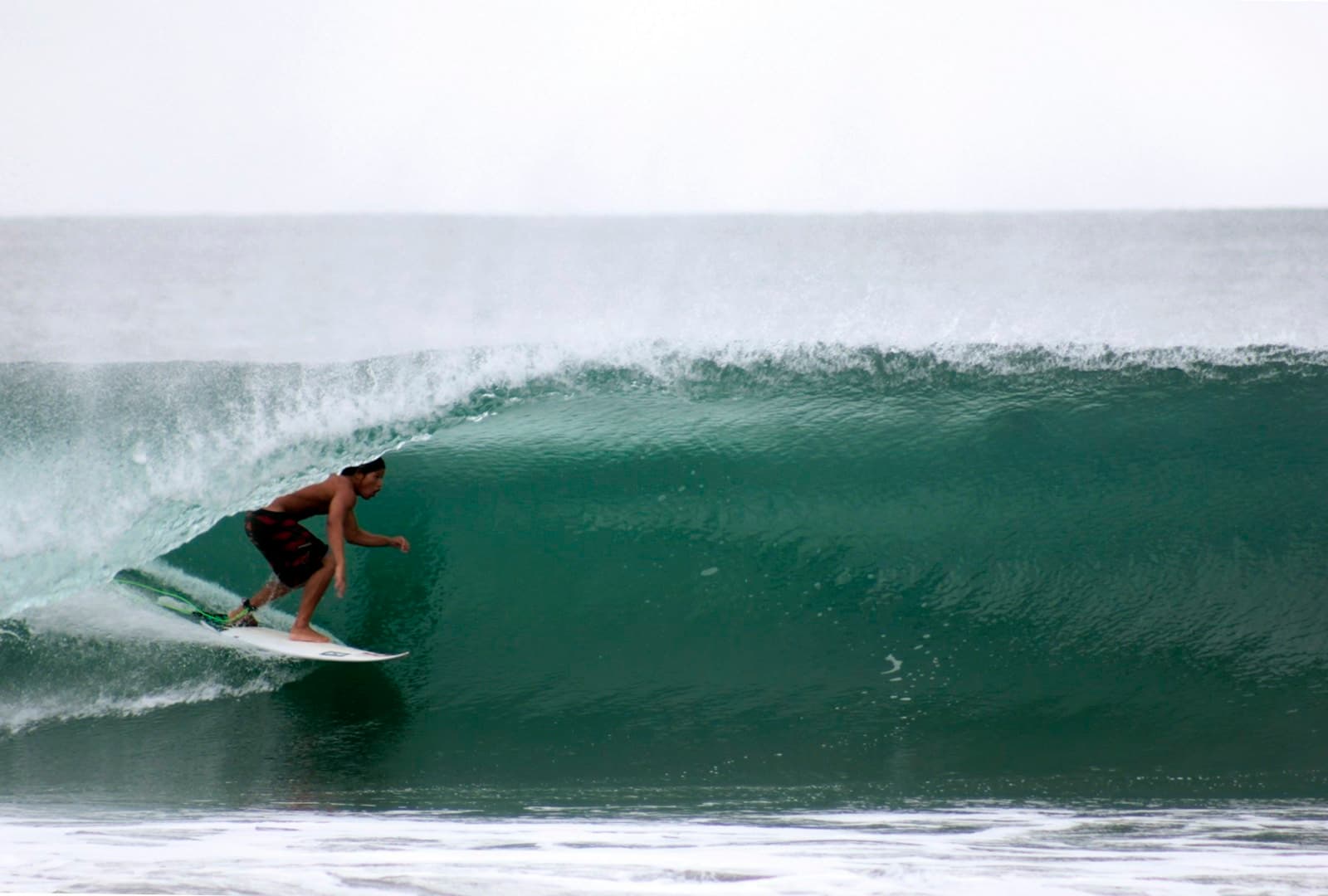 Boca de PascualesTecomán, Colima · MexicoAdvanced, Expert · Beach break, River mouth
- NexpaCosta de Michoacán · MexicoIntermediate, Advanced · River mouth, Point break
- La SaladitaCosta Grande, Guerrero · MexicoBeginner, Intermediate · Point break
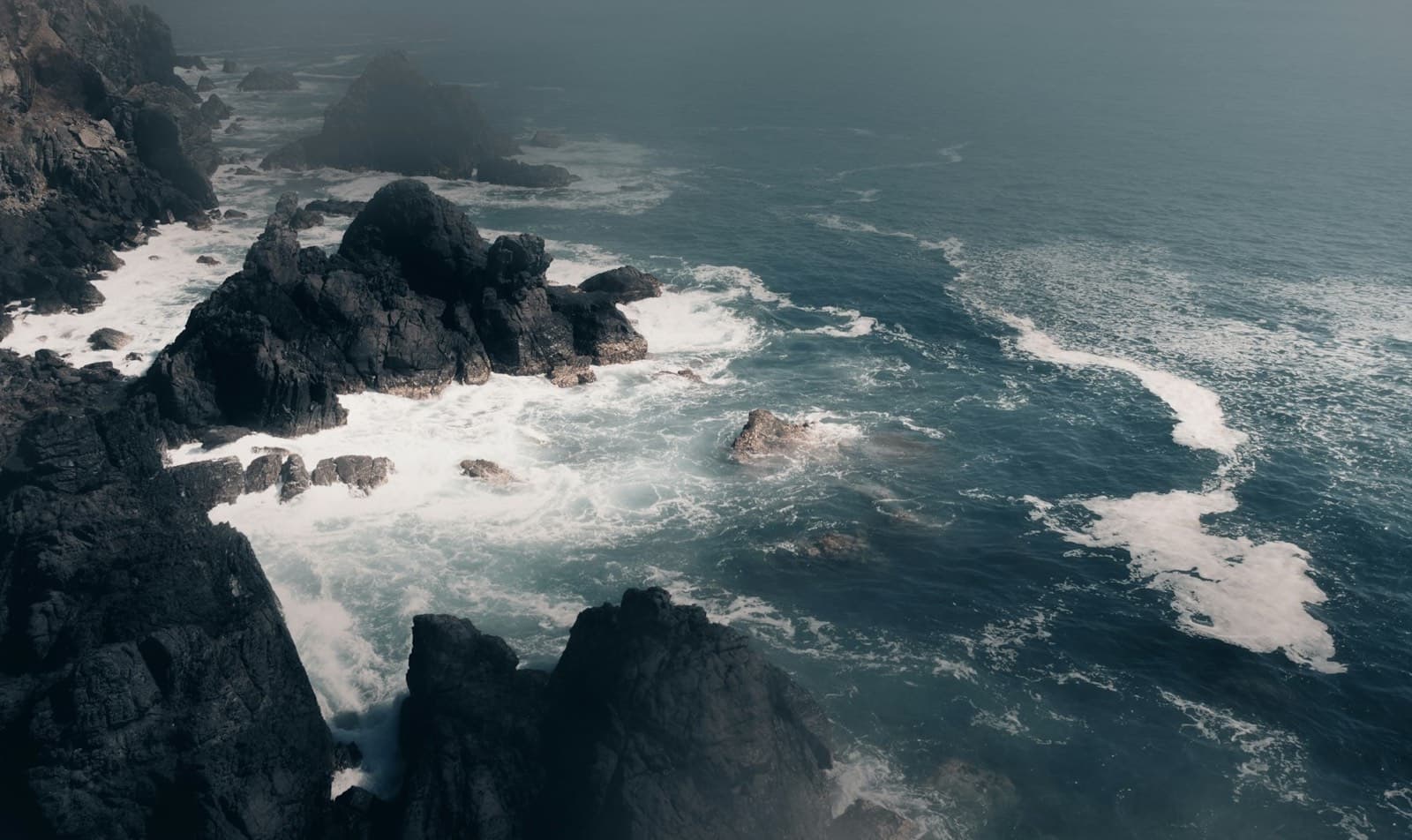 TronconesCosta Grande, Guerrero · MexicoBeginner, Intermediate, Advanced · Beach break, Point break
Frequently asked questions
When is the best time to surf La Ticla?
May to October, when south swells hit the rivermouth and the three peaks can link into one long left; April and November are shoulder months. Winter is smaller, with a shorter right off the point on northerly swells. Surf early, as mornings usually have the north-east offshore before the afternoon wind.
Is La Ticla good for beginners?
Not really. The left is powerful and hollow near the rivermouth, the bottom is cobblestone with sea urchins and the rips are strong. Intermediates can enjoy the softer sections further down the point on small days. Beginners should learn at a gentler beach first and enjoy La Ticla from the sand.
Where can you photograph surfing at La Ticla?
From the beach down the point, looking back at the wave as it runs towards you, or from the sand opposite the rivermouth peak. Use 200–600 mm. Mornings give front light with the sun behind you; late afternoon turns backlit, with the sun setting over the sea.
Where do you stay at La Ticla?
In simple cabañas or camping under palapas by the beach, within the land of the Nahua community of Santa María Ostula. There are a couple of beach restaurants but little else, so bring supplies with you. Respect community rules and take your rubbish away.
How can I get photos of my surf session in La Ticla?
Post your surf plan on Makai with the dates you will be here, so photographers in the area can offer to shoot you, or browse surf photographers and message one before your session. Agree on what you will get before you paddle out.
Updated September 2026