Costa Grande, Guerrero · Mexico
Surf in Troncones
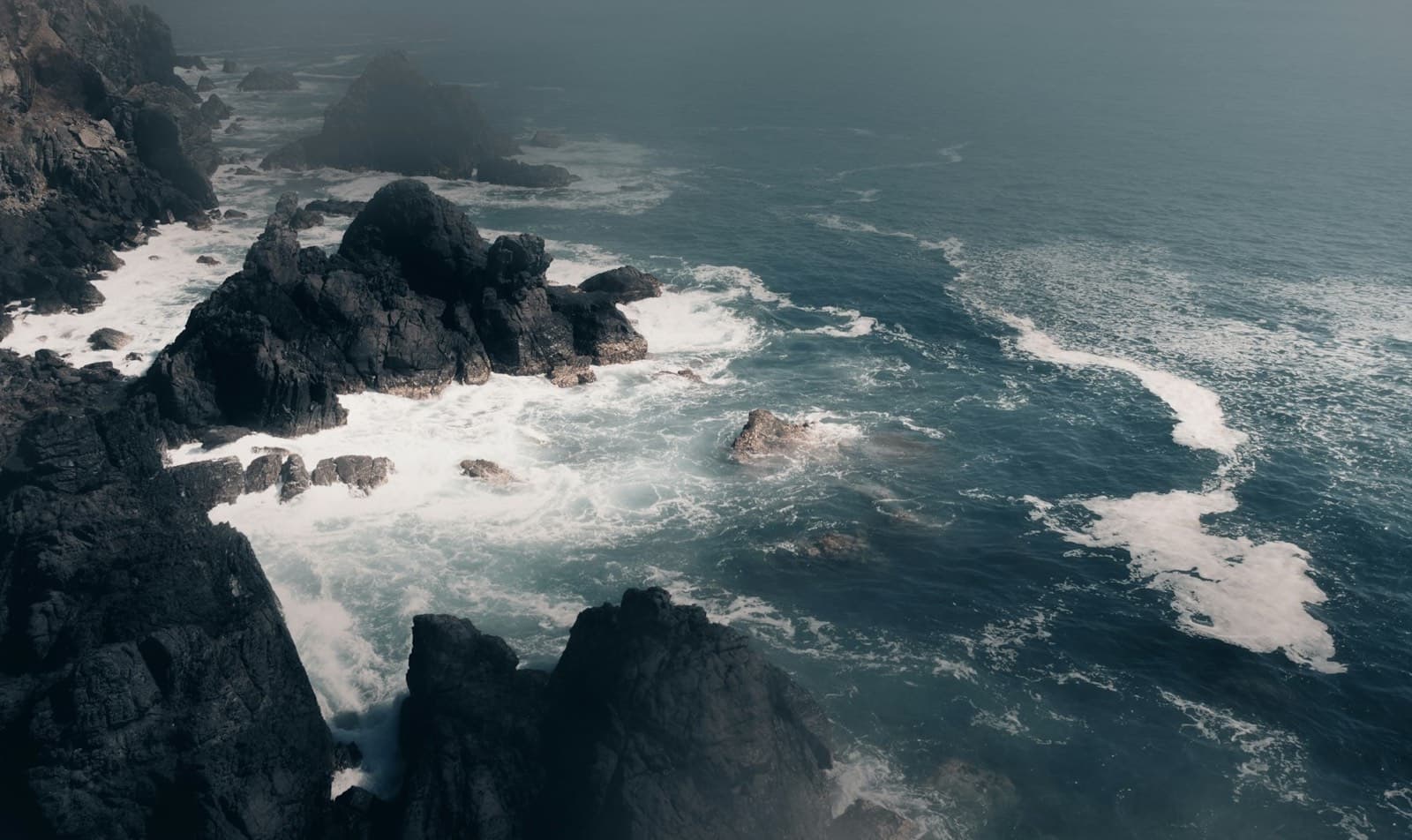
Troncones is a small village on a 5 km stretch of Guerrero coast, about 30 minutes north-west of Zihuatanejo, with surf for most levels within walking distance. The beach breaks in front of town pick up swell almost all year, while Troncones Point, the rocky left at the northern end of the beach, is the wave that draws experienced surfers when summer south swells arrive. Keep an eye on the tide: low water exposes rocks at both.
At a glance
- Wave
- Beach break, Point break · Lefts and rights
- Bottom
- Sand and rock
- Level
- Beginner, Intermediate, Advanced
- Best swell
- S, SSW, SW, WSW, W
- Best wind
- N, NNE, NE
- Tide
- Mid tide
- Best months
- May–Oct
- Water
- 26–30 °C · Boardshorts and a rash vest
- Crowd
- Usually quiet
The surf in Troncones
Three set-ups cover most days. The beach breaks along the village are sandbars mixed with rocky outcrops; they work on most swell directions, are best around mid tide and get rocky and shallow at low tide, so they suit intermediates more than first-timers. Troncones Point, also called Manzanillo Bay, sits at the north end of the beach: a left that wraps off the rocks and peels into the bay, with a steep take-off into a deeper cove and a possible barrel section. It needs a solid south to west swell, is at its best from May to September, often around mid tide, and holds double overhead and more.
There is an exposed rock in the middle of the bay, so locate it before you paddle out. Past the next headland to the north, Playa Majahua has gentler sandbars that suit beginners and improvers on small days. Winter brings smaller north-west swells and lighter winds, the kindest season for learning. Offshore winds blow from the north and north-east, and early mornings are often glassy. For long, mellow lefts, La Saladita is about 20 minutes north by car. Water stays around 26–30 °C.
Photographing surf in Troncones
The village beach faces south-south-west, so the sun rises behind you and to your left, and the first couple of hours give clean side-to-front light on the beach breaks. Around midday in winter the sun sits over the sea and everything turns backlit; through the afternoon it swings west for glare, silhouettes and a sunset over the water. For the point, stand on the beach inside Manzanillo Bay and shoot back at the wave as it peels towards you; the take-off is a few hundred metres away, so bring 300–600 mm, and morning light falls on the wave face from this angle.
The beach breaks are closer, and 100–400 mm from the sand covers most peaks. Swimming at the point is only for strong water photographers on moderate days, given the rocks and the steep drop; the beach breaks are easier on small mornings. The frame worth waiting for is a steep summer take-off at the point, shot from down the line as the wall wraps into the bay.
Getting there
Ixtapa–Zihuatanejo airport (ZIH) is about 40–45 minutes away: drive north-west on Highway 200 past Zihuatanejo and turn off towards the coast for Troncones, about 32 km from Zihuatanejo. The village is small, with places to stay, restaurants, board rental and surf lessons close to the sand, and the beach breaks a short walk from most rooms. The point is at the north end of the beach. Check current travel advisories for Guerrero before you go and drive only in daylight.
Surfing or shooting here?
Surfing in Troncones?
Post your surf plan with your dates. Photographers in the area can see it and offer to shoot your session.
Shooting in Troncones?
Share your photos with the beach tagged. Surfers looking at Troncones find your work and can message you.
Nearby spots
- La SaladitaCosta Grande, Guerrero · MexicoBeginner, Intermediate · Point break
- NexpaCosta de Michoacán · MexicoIntermediate, Advanced · River mouth, Point break
- La TiclaCosta de Michoacán · MexicoIntermediate, Advanced · River mouth, Point break
 Pie de la CuestaAcapulco, Guerrero · MexicoIntermediate, Advanced · Beach break
Frequently asked questions
When is the best time to surf Troncones?
May to September for the point, when south and southwest swells from the Southern Hemisphere wrap into Manzanillo Bay and can reach double overhead. The beach breaks work most of the year. November to March is smaller, often cleaner and lighter on wind, which makes it the best period for beginners and relaxed sessions.
Is Troncones good for beginners?
Partly. The village beach breaks are sandbars with rocks and are better for intermediates, especially at low tide. Beginners do better on small winter days with a surf school, or on the gentler sandbars of Playa Majahua just to the north. Troncones Point is for experienced surfers.
Where can you photograph surfing in Troncones?
The point is best shot from the beach inside Manzanillo Bay, looking back at the wave as it peels towards you, with 300–600 mm in the morning. The beach breaks can be covered from the sand in front of the village at 100–400 mm, again with the best light early in the day.
What is Troncones Point like?
Troncones Point, also known as Manzanillo Bay, is the headland at the north end of Troncones beach. It is a left over rock and reef with a steep drop into a deeper cove, best on solid south to west swells, often around mid tide. Watch for the exposed rock in the middle of the bay.
How can I get photos of my surf session in Troncones?
Post your surf plan on Makai with the dates you will be here, so photographers in the area can offer to shoot you, or browse surf photographers and message one before your session. Agree on what you will get before you paddle out.
Updated September 2026