Acapulco, Guerrero · Mexico
Surfing Pie de la Cuesta
Pie de la Cuesta is the long, straight beach on the strip of sand between the Pacific and the Laguna de Coyuca, just north-west of Acapulco. The surf is a powerful sand-bottom beach break that often throws hard and hollow close to the sand, which has earned it the nickname Pipe de la Cuesta. It suits strong intermediates on small days and experienced surfers and bodyboarders when it is bigger. Many visitors come just for the sunsets, watched from the sand.
At a glance
- Wave
- Beach break · Lefts and rights
- Bottom
- Sand
- Level
- Intermediate, Advanced
- Best swell
- S, SSW, SW
- Best wind
- N, NNE, NE
- Tide
- All tides
- Best months
- Apr–Oct
- Water
- 26–30 °C · Boardshorts and a rash vest
- Crowd
- Usually quiet
The surf in Pie de la Cuesta
There is no single peak: sandbars shape lefts and rights along several kilometres of open beach, and they move with each swell. The beach faces south-south-west, so it takes the full force of south and southwest swells, which are most frequent from about April to October. What defines the place is the way the waves break: fast, heavy walls with a lot of water moving, often closing out in shallow water right on the shore. On the right day there are hollow sections and tubes, but the shorebreak punishes mistakes, and impacts against the sand cause injuries.
Currents run strongly along the beach. Offshore is from the north quadrant, and local advice is to go very early in the morning or in the late afternoon. Water stays warm, around 26–30 °C. Beginners should not surf here; learners are better served by a lesson at a gentler beach. On the other side of Acapulco, towards the airport, Playa Revolcadero and Playa Bonfil are the other sand beach breaks surfers use; Revolcadero also has strong currents, and Bonfil is more often recommended for mixed levels.
Photographing surf in Pie de la Cuesta
Most of the action happens close to the sand, which makes this one of the easier places on the coast to shoot powerful waves from land. With the beach facing south-south-west, the early morning sun rises behind you and to the left, giving side and front light on the wave faces for the first few hours. In the winter months the sun then crosses the sky over the sea, and by late morning the water is backlit and full of glare.
Late afternoon is the other classic session: the sun sinks into the Pacific to the west, and bodyboarders and surfers in the shorebreak become silhouettes against the colour. A 70–200 mm lens covers the shorebreak and 300–400 mm reaches the outer sandbars. Stand well back from the wet sand on big days, as surges run far up the beach. Shooting from the water here means swimming in a heavy, shallow shorebreak and is only for experienced water photographers on moderate days. The frame to look for is a throwing lip over a bodyboarder at sunset.
Getting there
Pie de la Cuesta is about 10 km north-west of Acapulco; from the city, follow the signs for Avenida Fuerza Aérea, named after the air force base located here. From Acapulco airport (ACA), on the far side of the city, allow around 45 minutes. A road runs along the strip between beach and lagoon, lined with seafood restaurants and places to stay, from simple beach lodges to small hotels. Check current travel advisories for Guerrero before you go and drive only in daylight.
Surfing or shooting here?
Surfing in Pie de la Cuesta?
Record your session with the time you surfed. Makai matches it with photo shoots from this beach at the same hour, so you can find yourself and ask for the originals.
Shooting in Pie de la Cuesta?
Publish your shoot with the time you were there. Surfers who logged a session at Pie de la Cuesta that hour are matched with your protected previews.
Nearby spots
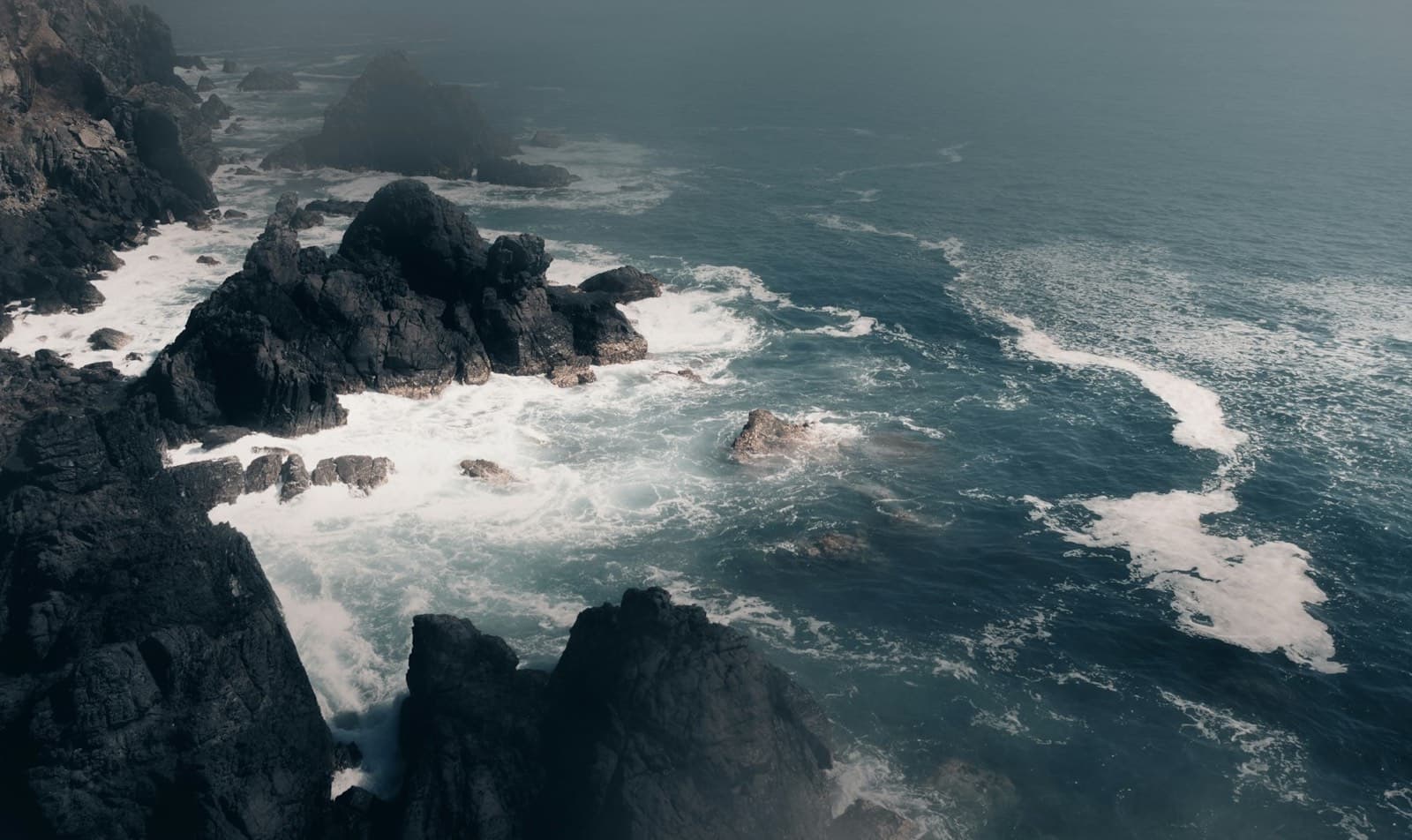 TronconesCosta Grande, Guerrero · MexicoBeginner, Intermediate, Advanced · Beach break, Point break
- La SaladitaCosta Grande, Guerrero · MexicoBeginner, Intermediate · Point break
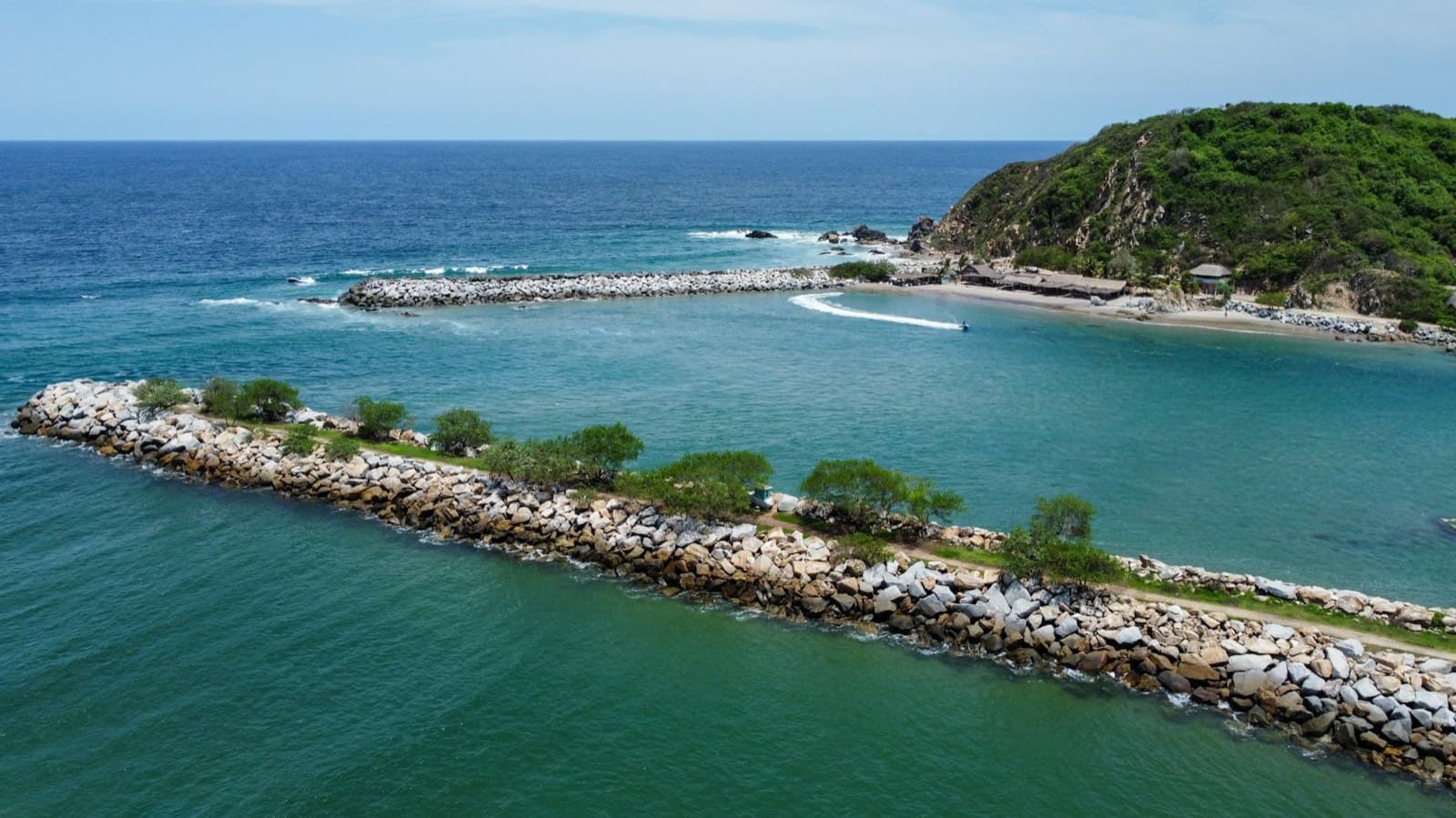 ChacahuaLagunas de Chacahua, Oaxaca · MexicoBeginner, Intermediate · Point break, Jetty
- NexpaCosta de Michoacán · MexicoIntermediate, Advanced · River mouth, Point break
Frequently asked questions
When is the best time to surf Pie de la Cuesta?
The beach picks up the most swell from about April to October, when south and southwest swells are most frequent. Those are also the heaviest days. Go very early in the morning or in the late afternoon, and pick a small to moderate swell unless you are an experienced surfer or bodyboarder used to powerful shorebreak.
Is Pie de la Cuesta good for beginners?
No. The waves break hard and fast in shallow water close to the sand, with strong currents along the beach, and even experienced surfers get hurt in the shorebreak. Beginners should take a lesson at a gentler beach and treat Pie de la Cuesta as a place to watch the surf and the sunset.
Where can you photograph surfing at Pie de la Cuesta?
From the sand in front of the village, level with the best sandbar. The waves break close in, so 70–200 mm covers the shorebreak and 300–400 mm reaches the outer peaks. Morning gives front and side light; late afternoon gives silhouettes against the sunset. Stay back from the wet sand on big days.
Is it safe to swim at Pie de la Cuesta?
Generally not. The waves break with great force in shallow water and there are strong currents, and visitors report injuries and near-drownings. Enjoy the ocean from the beach. For a calm swim or a paddle, use the Laguna de Coyuca, the freshwater lagoon on the other side of the strip.
How do I get photos of my session in Pie de la Cuesta?
Record your session on Makai with this beach and the time you surfed. Makai matches it with the photo shoots published here in the same hours: you see protected previews, pick the photos where you appear and ask the photographer for the originals.
Updated September 2026