Costa Grande, Guerrero · Mexico
Surfing La Saladita
La Saladita is a small beach village on the Costa Grande of Guerrero, about 40 km north of Ixtapa–Zihuatanejo, built around one wave: a long, slow-peeling left point that has made it a reference for longboarders in Mexico. It suits confident beginners on small days and anyone who loves trim and noseriding. The one thing to know: the point breaks over rock and cobble, so paddle out through the sandy channel rather than across the rocks.
At a glance
- Wave
- Point break · Left
- Bottom
- Sand and rock
- Level
- Beginner, Intermediate
- Best swell
- S, SSW, SW
- Best wind
- N, NE, ENE, E
- Tide
- All tides
- Best months
- Apr–Oct
- Water
- 26–31 °C · Boardshorts and a rash vest
- Crowd
- Busy at peak times
The surf at La Saladita
The wave starts off the small headland at the south end of the beach and peels north into the bay. Normal rides run 150–300 m, and on a good swell the sections link for 300–500 m: mostly mellow walls with the odd faster, steeper stretch. The point itself is rock and cobble; the inside and the channel at the northern end are sand, and that channel is the easiest way out. South to southwest groundswells from April to October bring the longest, punchiest waves, often chest to head high. From November to March it is smaller and weaker but often glassy, which suits learners.
Offshore winds come from the north-east quadrant, and mornings are usually cleanest before the sea breeze fills in. It works on all tides; many surfers prefer a rising tide, while low tide makes it faster and exposes more rock. Water sits around 26–31 °C, so boardshorts are enough. The hazards are rocks at the point, currents running around the headland and, above all, crowds: long rides mean long paddles back, loose longboards and collisions. Respect the rotation and the regulars at the top of the point.
Photographing surf at La Saladita
The beach faces roughly west-southwest, so mornings are the time to shoot from land: the sun rises behind you and lights the wave faces as surfers trim towards the camera. From late afternoon the light comes from over the sea, giving backlit spray and sunset silhouettes of longboarders rather than readable faces. Between May and July the sun is almost overhead at midday and the light goes flat and harsh.
The classic angle is from the sand up the line, north of the point, looking back at riders walking the board. The distance to the take-off calls for 200–600 mm, while the inside section where rides finish can be covered at 100–300 mm. In the water, sit on the shoulder or in the channel, well clear of the longboard traffic; looking back towards shore puts the hills behind the beach in the frame. The shot here is style, so shoot sequences of noserides, cross-steps and long trim lines rather than single frames.
Getting there
Fly into Ixtapa–Zihuatanejo (ZIH) and drive about 40 km north on Highway 200, roughly 40–45 minutes, to the village of Los Llanos, where a 5 km road runs down to the beach. The road is rough in places, and there are no supermarkets in La Saladita, so stock up in Los Llanos. Everything in the village is within walking distance: beachfront restaurants, rooms and bungalows, board rental and surf lessons. Check current travel advisories for Guerrero before you go and drive only in daylight.
Surfing or shooting here?
Surfing at La Saladita?
Post your surf plan with your dates. Photographers in the area can see it and offer to shoot your session.
Shooting at La Saladita?
Share your photos with the beach tagged. Surfers looking at La Saladita find your work and can message you.
Nearby spots
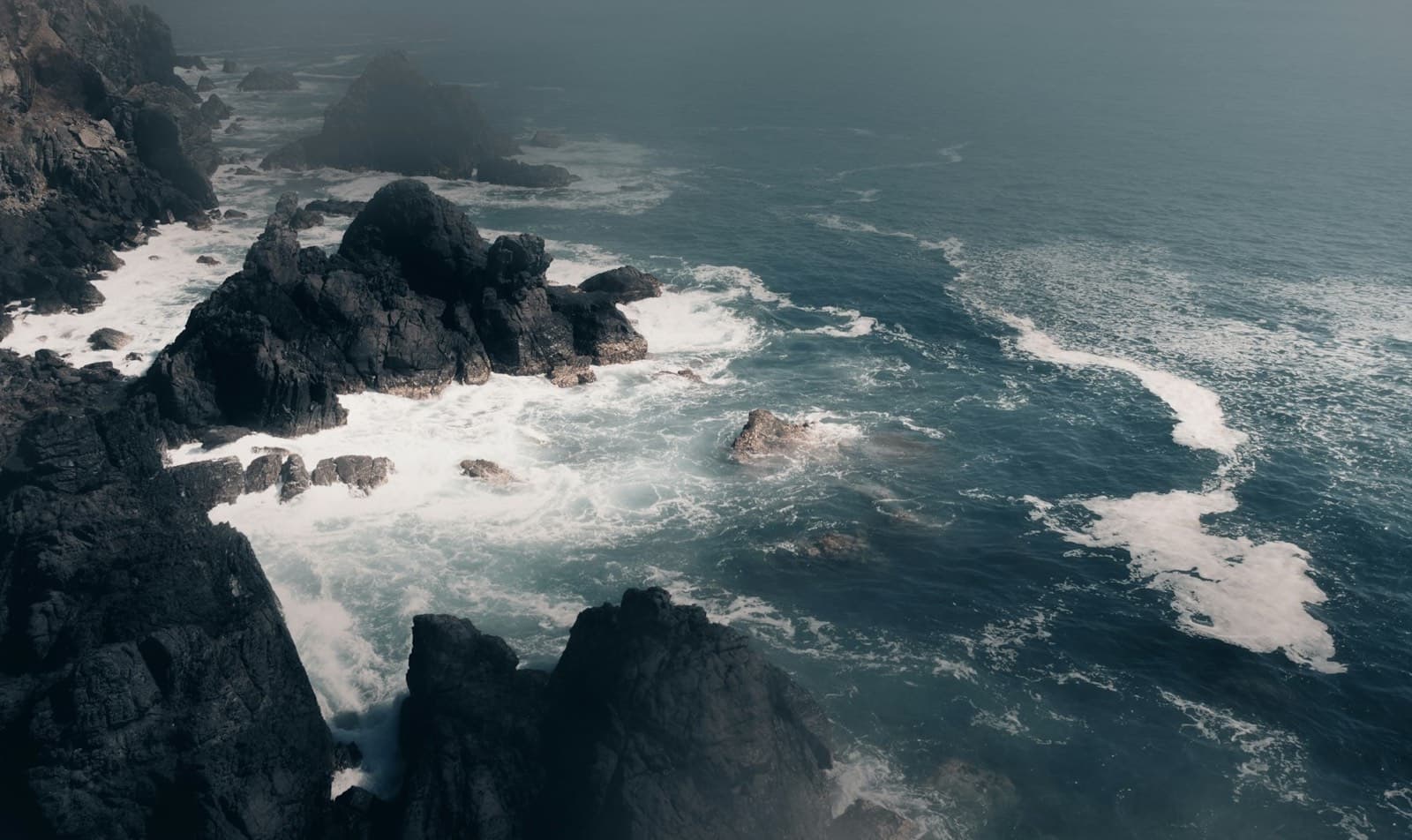 TronconesCosta Grande, Guerrero · MexicoBeginner, Intermediate, Advanced · Beach break, Point break
- NexpaCosta de Michoacán · MexicoIntermediate, Advanced · River mouth, Point break
- La TiclaCosta de Michoacán · MexicoIntermediate, Advanced · River mouth, Point break
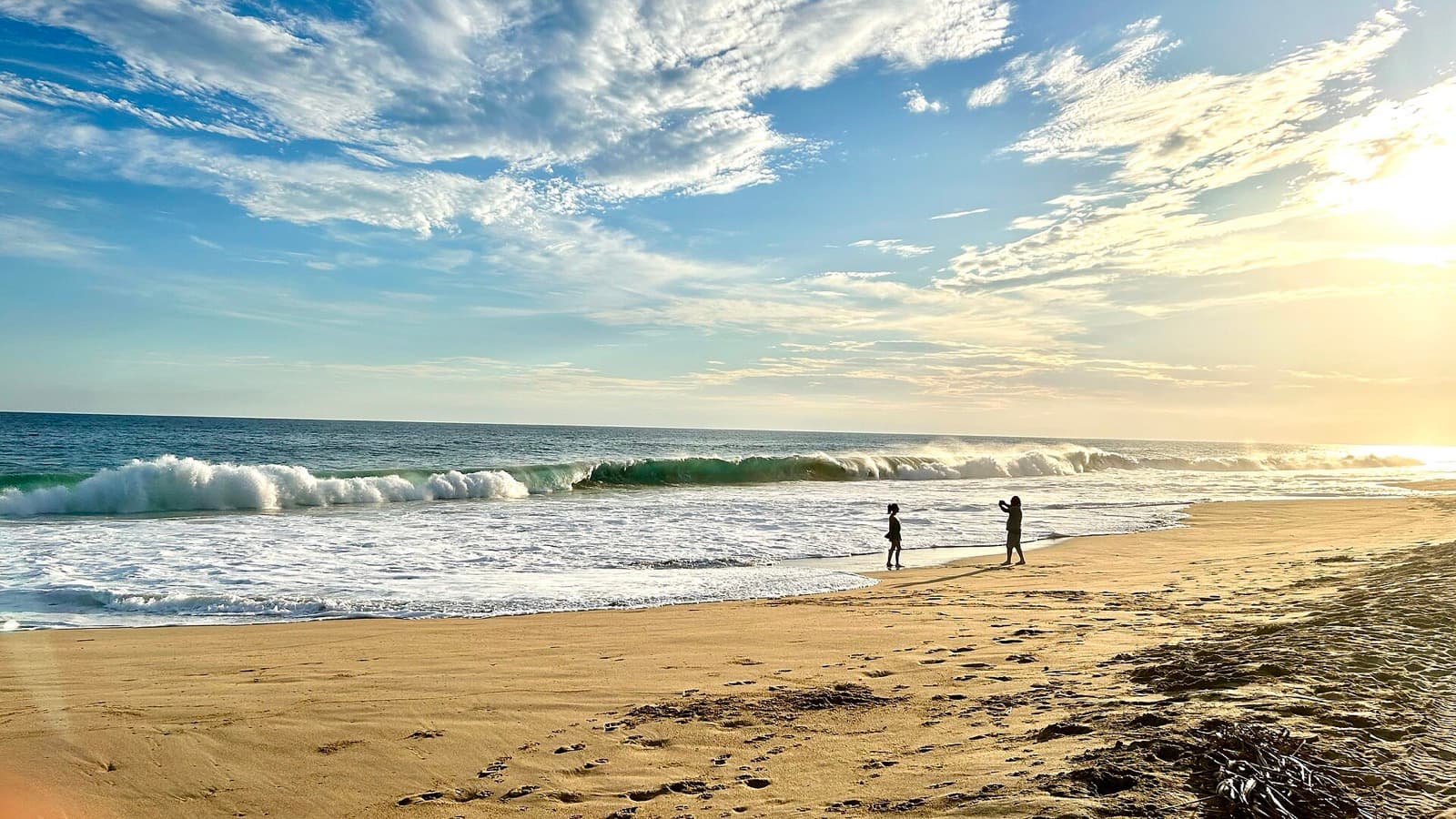 Pie de la CuestaAcapulco, Guerrero · MexicoIntermediate, Advanced · Beach break
Frequently asked questions
When is the best time to surf La Saladita?
April to October, when south and southwest groundswells wrap around the point and produce the longest rides, often chest to head high. November to March is smaller and weaker but frequently glassy, which is when learners and relaxed longboard sessions fit best. Early mornings are usually the cleanest time of day all year.
Is La Saladita good for beginners?
On small days, yes, with some care. Learners do best on the inside with a lesson, especially in the smaller winter months. The outer point on a summer swell is busy with experienced longboarders and breaks over rock, so beginners should stay out of the main take-off zone and paddle out through the sandy channel to the north.
Where can you photograph surfing at La Saladita?
From the beach north of the point, looking back down the line, with 200–600 mm for the take-off and a shorter lens for the inside. Shoot in the morning, when the sun is behind you and lights the wave faces. In the water, stay on the shoulder or in the channel, clear of riders and loose boards.
Do you need a longboard to surf La Saladita?
Not strictly, but it helps. On typical days the wave is slow and peeling, better suited to longboards and mid-lengths. Shortboards come into their own on bigger summer swells, when the faster sections link up. Boards can be rented on the beach in front of the point if you arrive without the right one.
How can I get photos of my surf session at La Saladita?
Post your surf plan on Makai with the dates you will be here, so photographers in the area can offer to shoot you, or browse surf photographers and message one before your session. Agree on what you will get before you paddle out.
Updated September 2026