Riviera Nayarit · Mexico
Surfing San Pancho
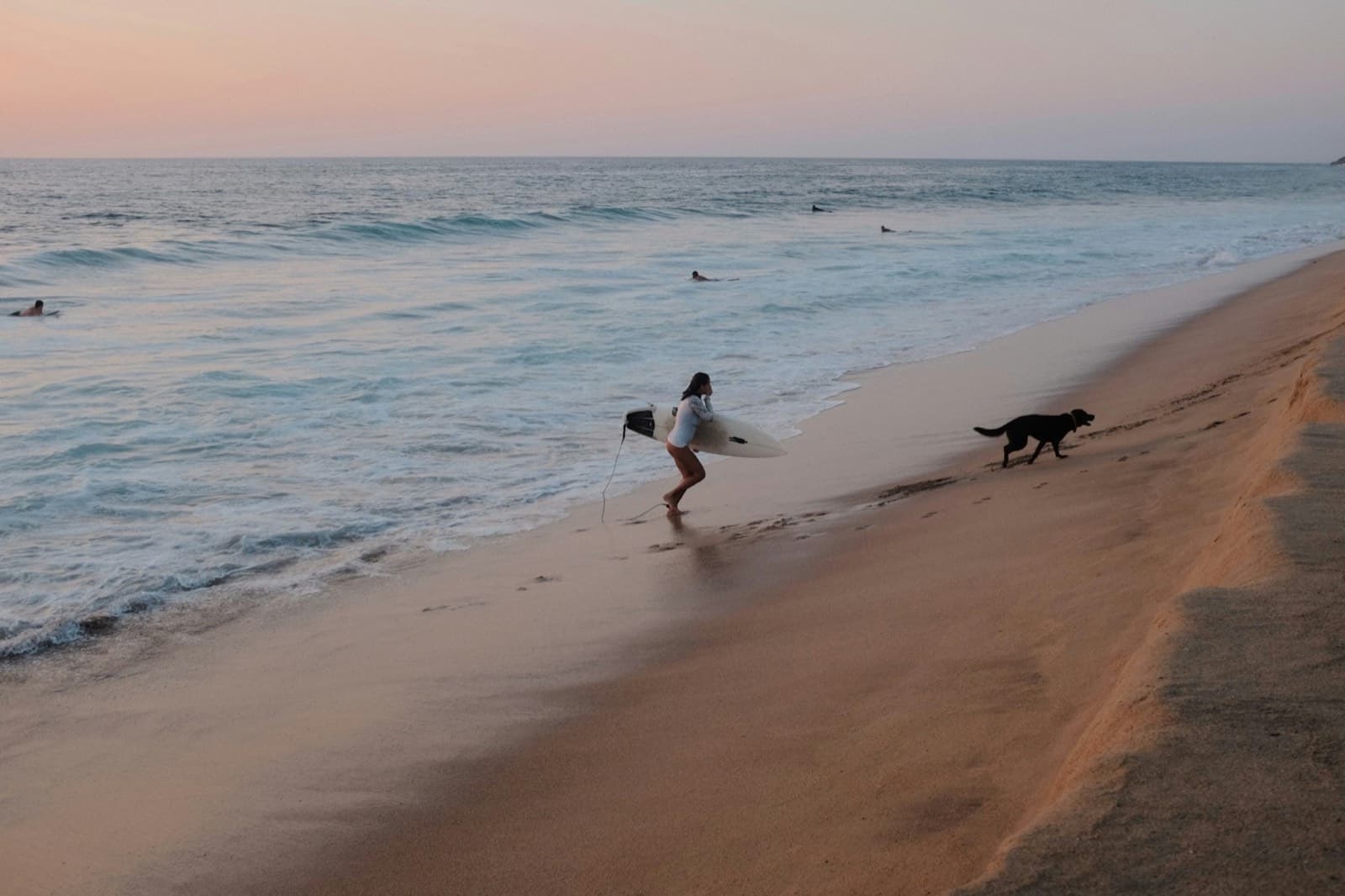
San Pancho, officially San Francisco, is a small village 15 minutes north of Sayulita whose beach drops steeply into a fast, punchy left. It suits confident intermediates and better, and is a quieter option than Sayulita when the swell has some south in it. The thing to respect is the shorebreak: getting in, and above all getting out, takes timing.
At a glance
- Wave
- Beach break, Reef break · Left
- Bottom
- Sand and rock
- Level
- Intermediate, Advanced
- Best swell
- SW, WSW, W
- Best wind
- E
- Tide
- Low to mid tide
- Best months
- May–Oct
- Water
- 22–30 °C · 2 mm or spring suit → Boardshorts and a rash vest
- Crowd
- Busy at peak times
The surf in San Pancho
The main wave is a short, powerful left that starts off the rocks at the south end of the beach and runs along the steep sand towards the village, over sand with patches of rock and reef. It jacks up quickly into a steep wall that can go hollow, so late or hesitant take-offs usually end in a wipeout. Summer is the season: south-west to west-south-west swells from about May to October give the most consistent, best-shaped waves, while winter north-west swells tend to arrive smaller or close out.
An east wind is offshore. Low to mid tide suits it best, although local advice varies, so watch a few sets before paddling out. The shorebreak is notoriously heavy, a current along the beach can drag you towards the rocks, and the river mouth at the north end has tricky tidal currents and a sudden drop-off. On small days at low tide, the inside at the south end, known locally as El Atracadero, can work for supervised improvers. Good swells bring a busy line-up, though usually lighter than in Sayulita.
Photographing surf in San Pancho
The beach faces roughly west-north-west, so the morning sun climbs over the hills behind the village and lights the wave faces. In the late afternoon the sun hangs over the sea: good for backlit spray and the sunsets the village is known for, harder for faces. The wave breaks close to the steep sand, which means you can work from the beach with a 100–400 mm lens (full-frame equivalent); stand north of the peak and the lefts run towards you.
A wide lens on the sand also catches the shorebreak detonating at low tide. Shooting from the water is only for strong, experienced swimmers who can handle the shorebreak and the current. Keep your bag well up the beach, because on a steep face the backwash and surges can run up fast.
Getting there
San Pancho lies just off Highway 200, about 15 minutes' drive north of Sayulita and around an hour from Puerto Vallarta International Airport (PVR). The main street runs straight down to the beach, and the south-end peak is a few minutes' walk along the sand. The village has restaurants, places to stay, surf schools and board rentals. Check the beach flags before going in: green is calm, yellow means caution and red means unsafe.
Surfing or shooting here?
Surfing in San Pancho?
Post your surf plan with your dates. Photographers in the area can see it and offer to shoot your session.
Shooting in San Pancho?
Share your photos with the beach tagged. Surfers looking at San Pancho find your work and can message you.
Nearby spots
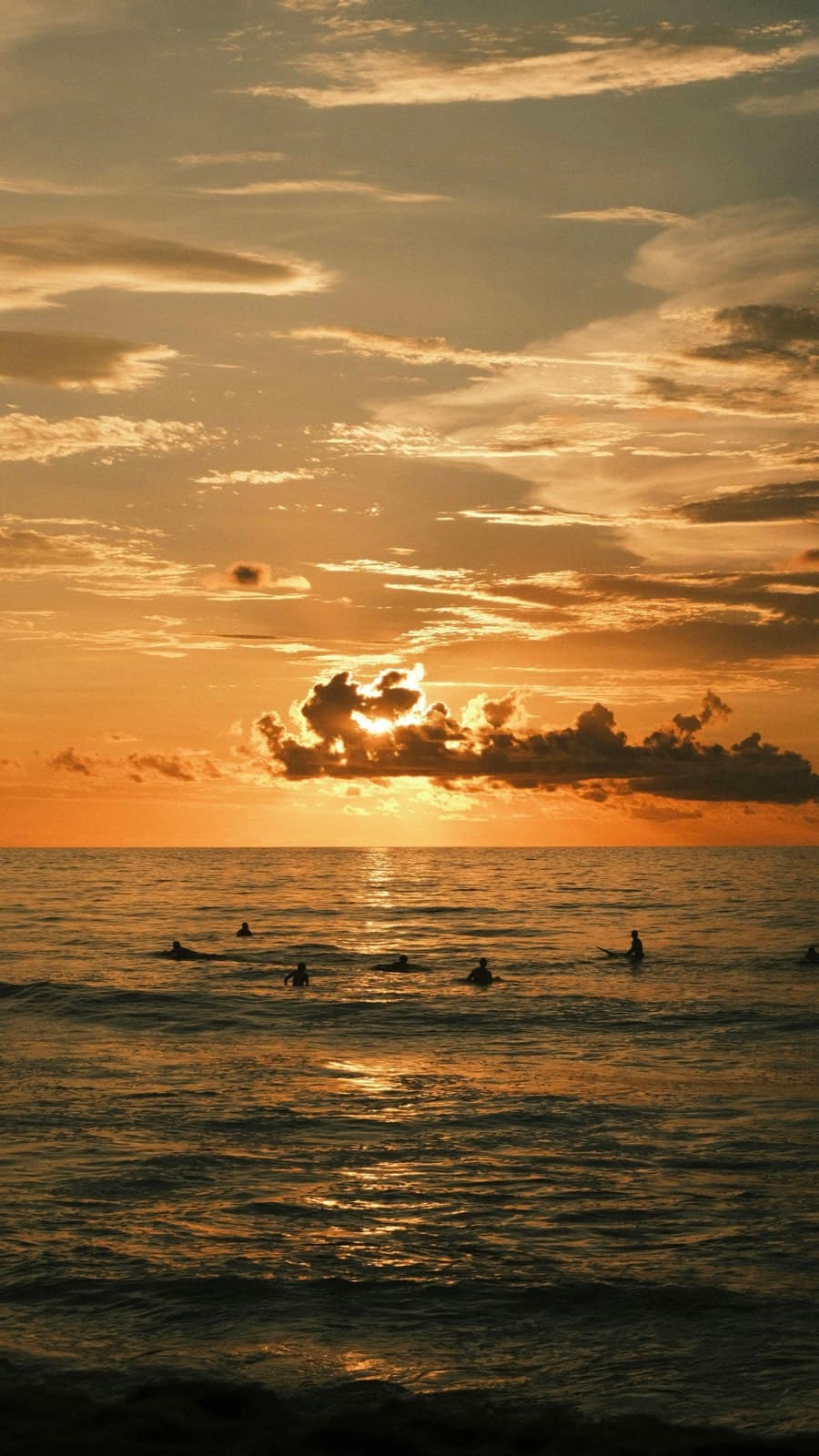 SayulitaRiviera Nayarit · MexicoBeginner, Intermediate · River mouth, Reef break, Beach break
- Punta BurrosRiviera Nayarit · MexicoIntermediate, Advanced · Point break, Reef break
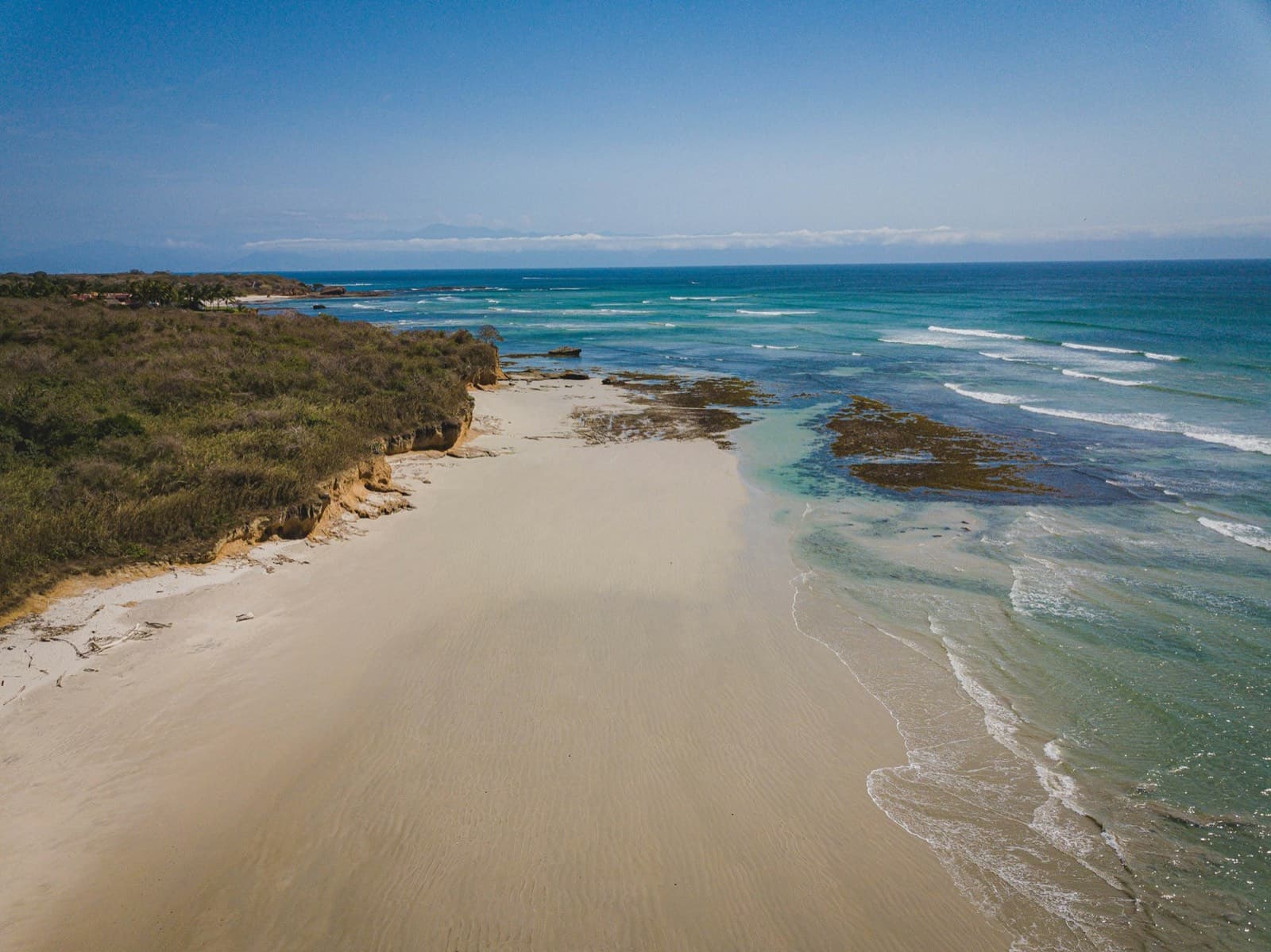 La LanchaRiviera Nayarit · MexicoBeginner, Intermediate · Reef break
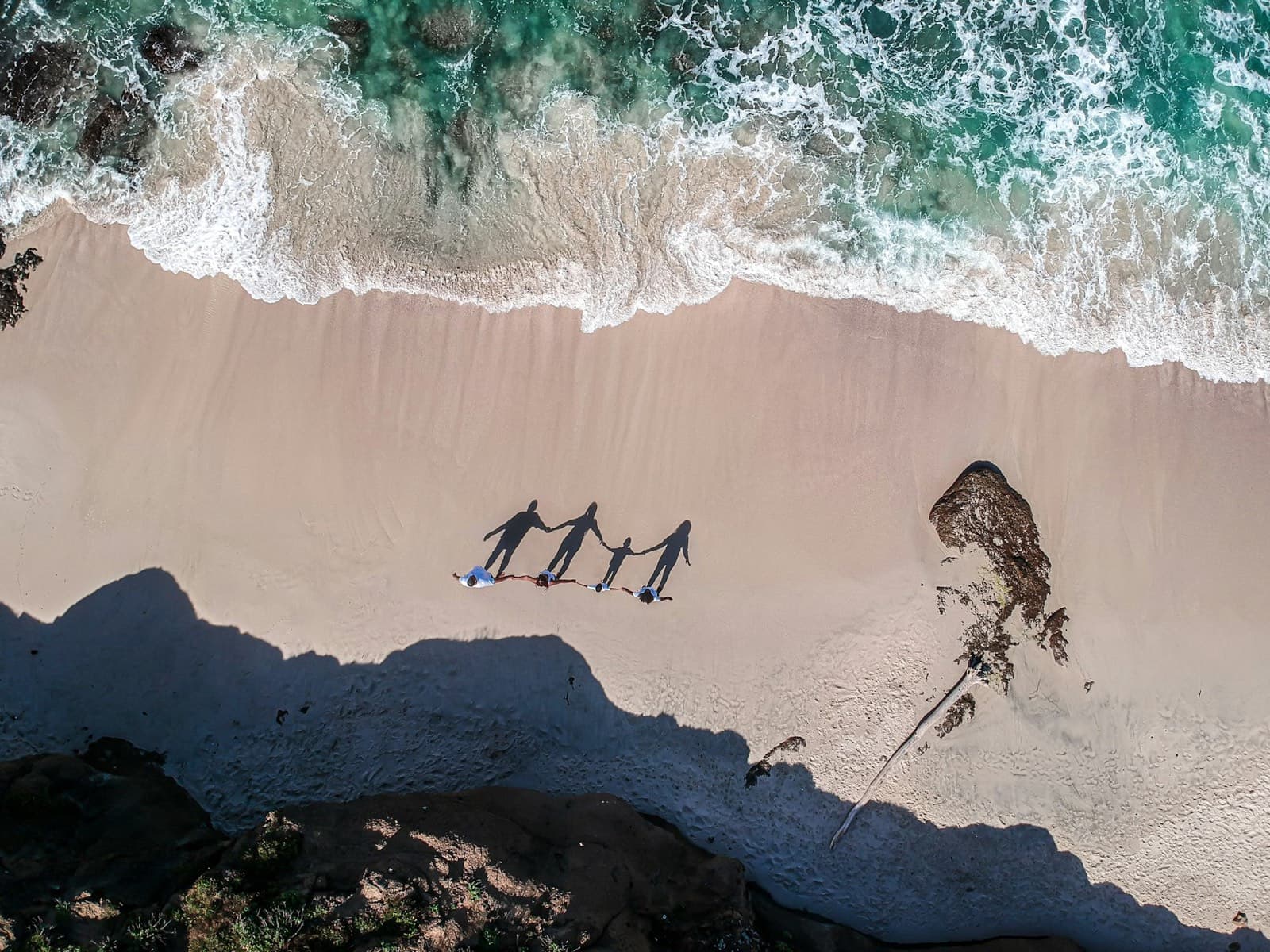 Punta de MitaRiviera Nayarit · MexicoBeginner, Intermediate, Advanced · Reef break, Point break, Beach break
Frequently asked questions
When is the best time to surf San Pancho?
The most consistent months are May to October, when south-west swells hit the beach squarely, and October often has the cleanest conditions. Winter north-west swells reach San Pancho too, but they tend to be smaller or close out. Aim for an easterly offshore wind and a low to mid tide.
Is San Pancho good for beginners?
Mostly not. The wave is fast and steep, and the shorebreak makes getting in and out tricky even for experienced surfers. On small days at low tide a supervised lesson on the inside at the south end can work, but local schools often take beginners to gentler waves such as La Lancha in Punta de Mita.
Where can you photograph surfing in San Pancho?
From the beach, north of the peak at the south end, where the lefts run towards the camera. Morning light is front-lit and late afternoon is backlit over the sea. A 100–400 mm zoom covers the wave, which breaks close to the sand, and a wide lens works for shorebreak shots.
Can you walk from Sayulita to San Pancho?
Yes. A jungle and beach trail links the two via Playa Malpaso and Playa Las Cuevas, roughly 5 km each way with some steep sections. Access changes with construction and private property, so check locally, and the beach stretch is easier at low tide. With a surfboard, the 15-minute drive is far more practical.
How can I get photos of my surf session in San Pancho?
Post your surf plan on Makai with the dates you will be here, so photographers in the area can offer to shoot you, or browse surf photographers and message one before your session. Agree on what you will get before you paddle out.
Updated September 2026