Riviera Nayarit · Mexico
Surf in Punta de Mita
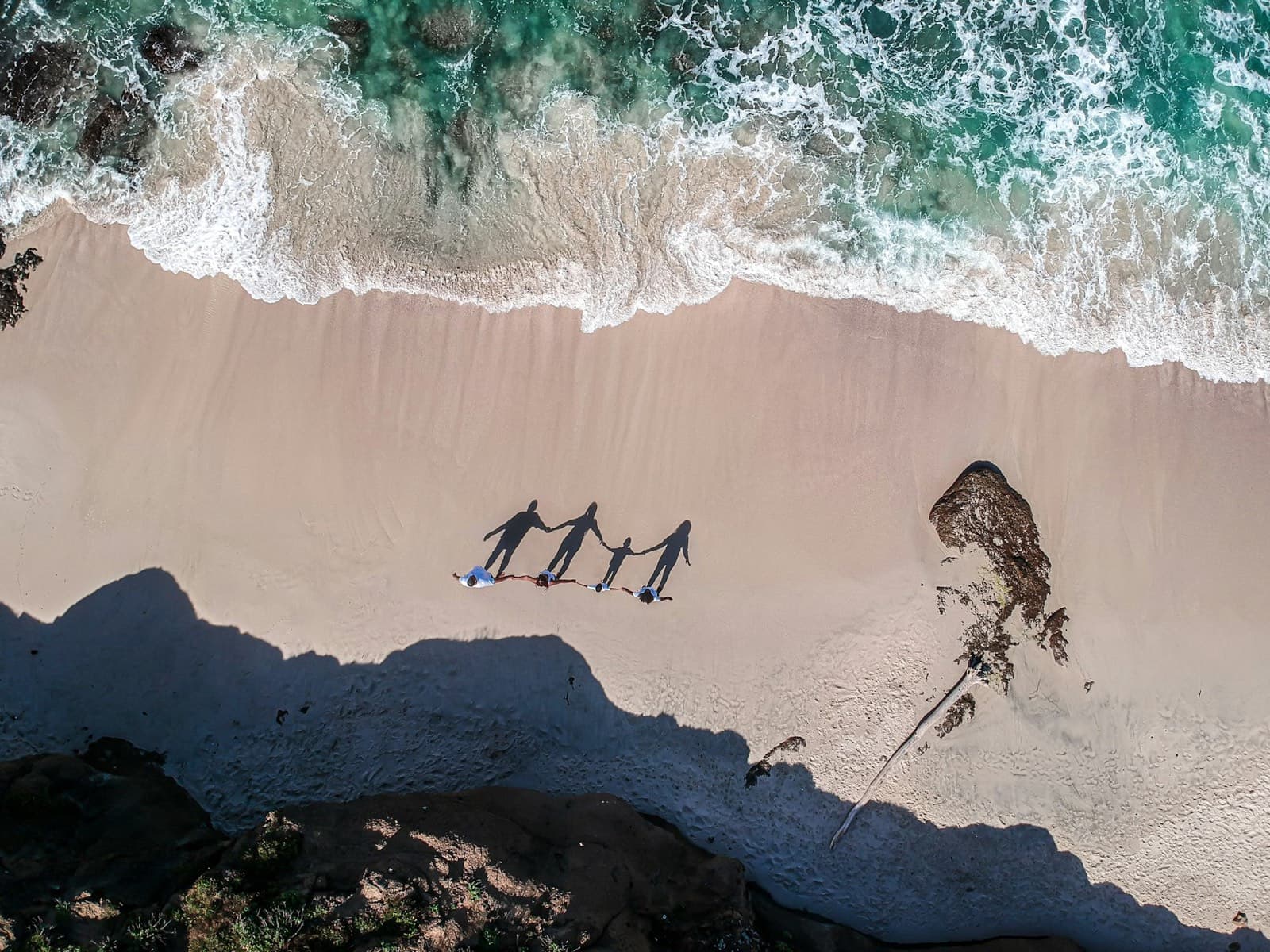
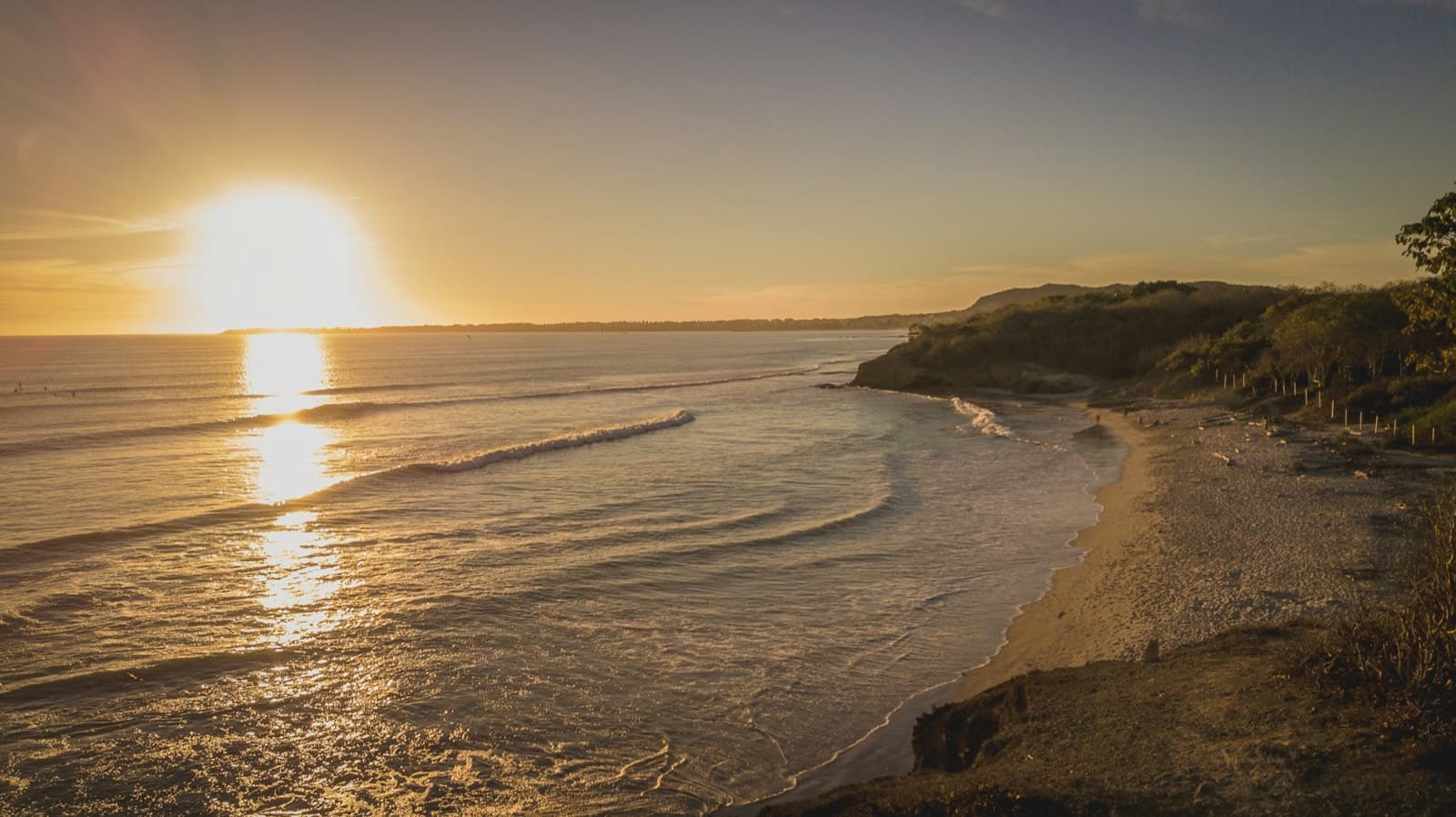
Punta de Mita is the peninsula at the northern tip of Banderas Bay, 45 minutes to an hour from Puerto Vallarta airport, and it packs a string of reef and point waves into a few kilometres of coast. Most breaks face south into the bay, so something is nearly always working, from longboard rollers in front of the village to faster rights reached by jungle path or panga. Pick the break to suit the swell.
At a glance
- Wave
- Reef break, Point break, Beach break · Lefts and rights
- Bottom
- Reef
- Level
- Beginner, Intermediate, Advanced
- Best swell
- S, SSW, SW, W, WNW, NW
- Best wind
- N, NNE, NE
- Tide
- Mid tide
- Best months
- May–Oct
- Water
- 22–31 °C · 2 mm or spring suit → Boardshorts and a rash vest
- Crowd
- Busy at peak times
The surf in Punta de Mita
In front of the fishing village, El Anclote is a slow right over rock and dead coral that needs a solid south swell and suits beginners and longboarders; Stinky's, just east of the harbour, also wants south swell and ranges from soft to fairly quick. Along the coast road, La Lancha is the most consistent wave in the bay: several reef peaks, mostly rights, friendly for most levels on normal days. Palmitas, a few minutes' walk further, is a sandbank peak for experienced surfers that likes mid to high tide and short-period north swell.
Punta Burros has longer, punchier rights over smooth rock for intermediates and up. On the tip, La Bahía (the Cove) picks up almost any swell but sits behind gated land, so most surfers arrive by panga, and El Faro, the lighthouse right, only wakes up on big north swells and suits advanced surfers. Summer south-west swells light up the bay breaks, while winter north-west swells bring cleaner, smaller days and switch on El Faro and Palmitas. Water runs from about 22 °C in March to 31 °C in late summer. Reef, urchins and low-tide rocks are the common hazards, plus boat traffic around the harbour.
Photographing surf in Punta de Mita
Most breaks here face roughly south, so around midday the sun sits over the water and everything is backlit. Early morning is the time for faces: the rights run east, towards the sunrise, so standing on the sand east of a peak puts the light behind you and the riders coming towards the camera. Late afternoon turns the line-ups into backlit spray and silhouettes.
From the beach, El Anclote and La Lancha are close enough for 100–400 mm (full-frame equivalent), while Punta Burros is better with 200–500 mm from the sand east of the point. The outer reefs are best shot from a boat: a panga ride to La Bahía or El Faro gives low angles from the channel, as long as the driver keeps well off the line-up. Swimming with a housing is easiest at La Lancha on a normal day; the shallower reefs are for experienced water shooters only.
Getting there
From Puerto Vallarta International Airport (PVR), take Highway 200 north, turn off towards Punta de Mita and follow the coast road through La Cruz de Huanacaxtle; allow 45 minutes to an hour. El Anclote and Stinky's are in the village, while La Lancha and Punta Burros are reached by short jungle trails from the coast road. Pangas for the outer reefs leave from El Anclote beach. Surf schools, rentals and restaurants are in the village; the trail beaches have no services.
Surfing or shooting here?
Surfing in Punta de Mita?
Post your surf plan with your dates. Photographers in the area can see it and offer to shoot your session.
Shooting in Punta de Mita?
Share your photos with the beach tagged. Surfers looking at Punta de Mita find your work and can message you.
Spots in Punta de Mita
Nearby spots
 SayulitaRiviera Nayarit · MexicoBeginner, Intermediate · River mouth, Reef break, Beach break
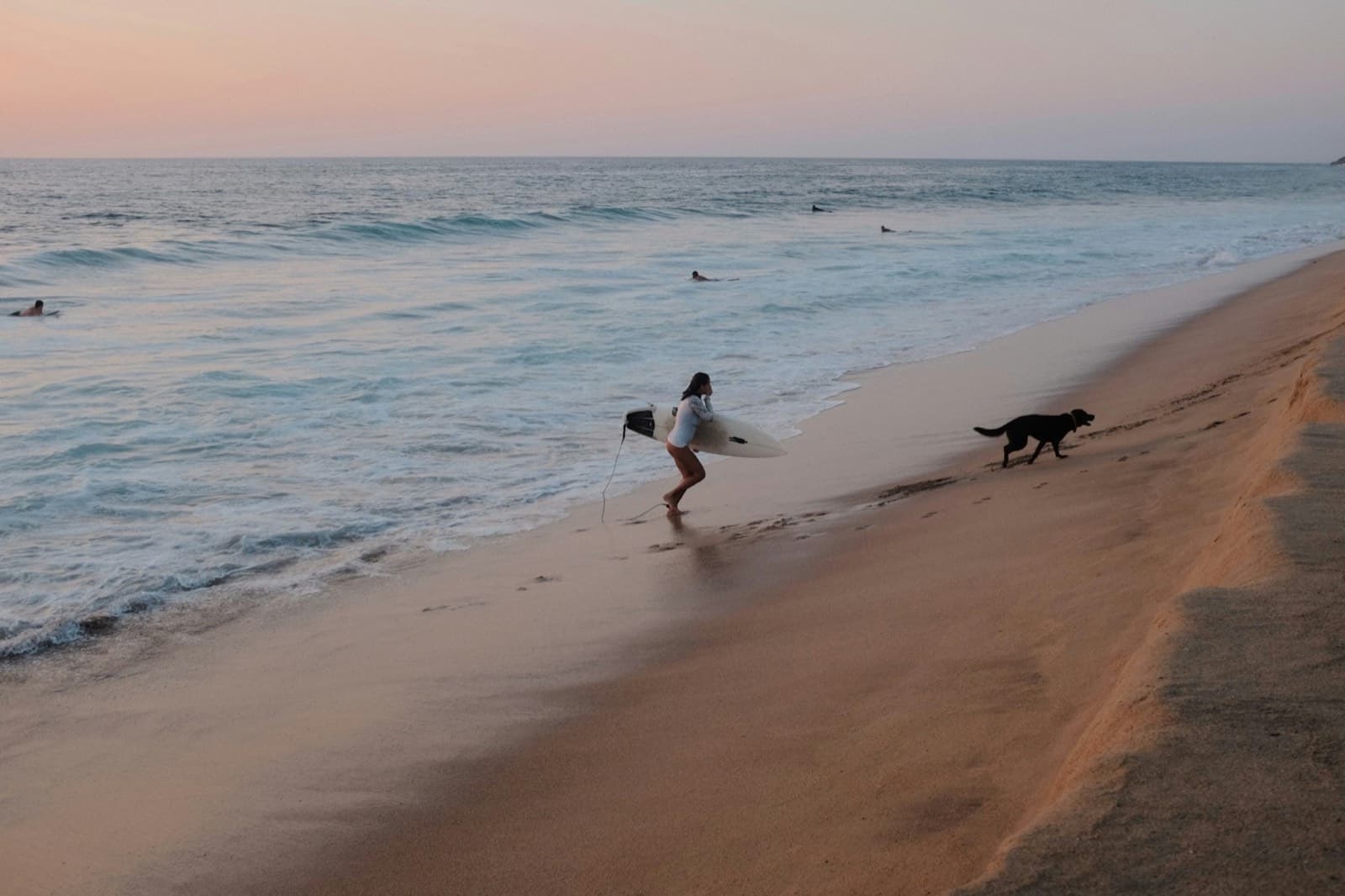 San PanchoRiviera Nayarit · MexicoIntermediate, Advanced · Beach break, Reef break
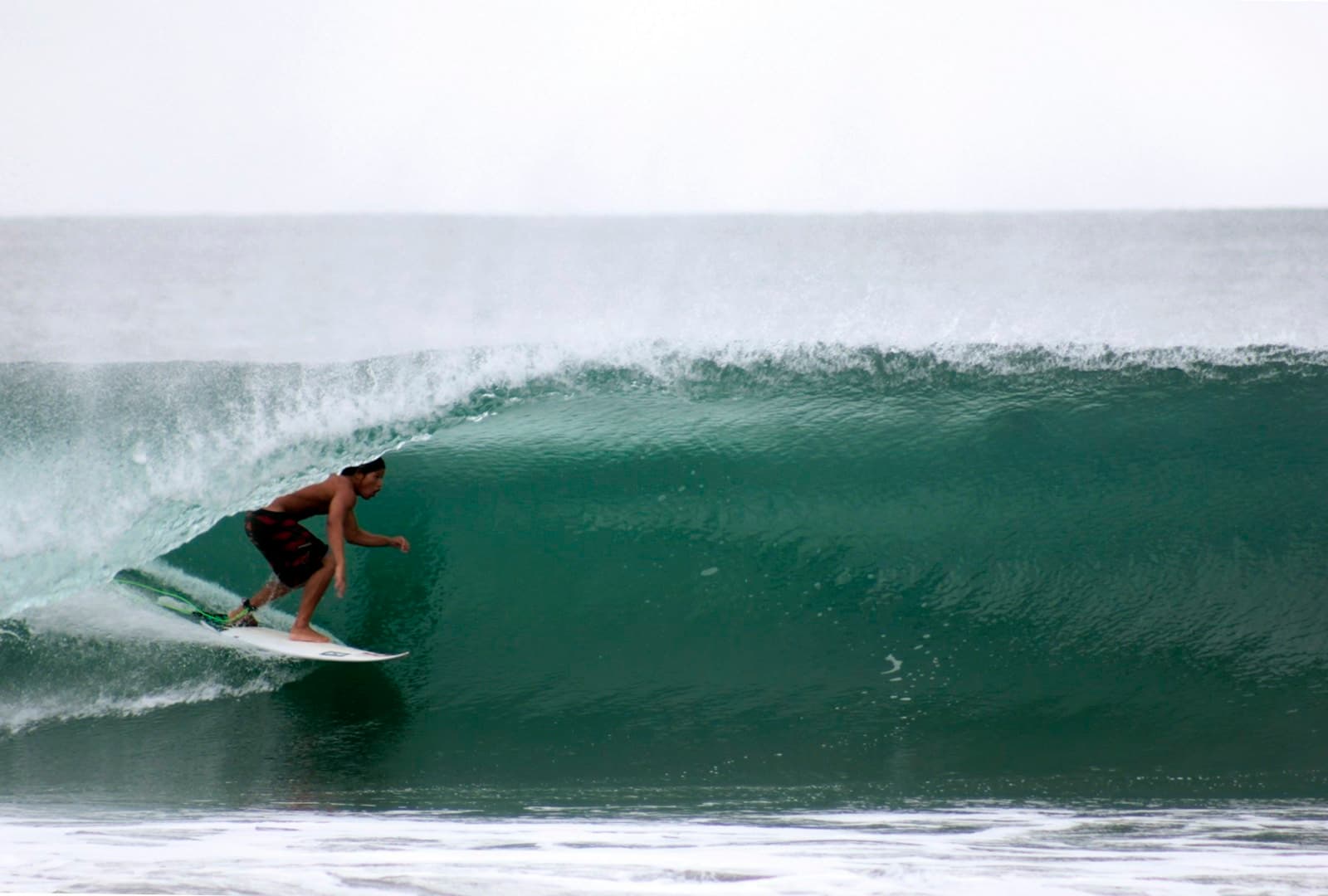 Boca de PascualesTecomán, Colima · MexicoAdvanced, Expert · Beach break, River mouth
- La TiclaCosta de Michoacán · MexicoIntermediate, Advanced · River mouth, Point break
Frequently asked questions
When is the best time to surf Punta de Mita?
There are waves all year. From May to October south-west and hurricane swells hit the bay breaks directly, and El Anclote, Stinky's and Punta Burros come alive with bigger, more demanding sets. Winter, roughly November to March, brings north-west swells, cleaner and smaller days at La Lancha and the best of El Faro and Palmitas.
Is Punta de Mita good for beginners?
Yes, if you choose the right break. El Anclote and Stinky's in the village and the inside peaks at La Lancha are the usual places for lessons and longboards. Punta Burros, Palmitas, La Bahía and El Faro are for intermediate to advanced surfers. Every break here has reef or rock underneath, so avoid the lowest tides.
Where can you photograph surfing in Punta de Mita?
From the sand at El Anclote and La Lancha, from the beach east of the point at Punta Burros, and from a panga for La Bahía and El Faro. Shoot early in the morning for front-lit faces on the rights; midday and late afternoon are backlit because the breaks face south.
How do you reach the boat-access breaks in Punta de Mita?
Pangas, the local fishing and water-taxi boats, leave from El Anclote beach in the village and run surfers out to La Bahía, El Faro and Punta Burros. La Bahía sits behind gated land, so the boat is the practical way in, while El Faro can also be reached by a walk of about 20 minutes over the rocks from El Anclote.
How can I get photos of my surf session in Punta de Mita?
Post your surf plan on Makai with the dates you will be here, so photographers in the area can offer to shoot you, or browse surf photographers and message one before your session. Agree on what you will get before you paddle out.
Updated September 2026